Top Landscaping Services in Shippensburg University, PA, 17257 | Compare & Call

Shippensburg University Landscaping
Phone : (888) 524-1778
There are 71 landscaping companies server in Shippensburg University PA
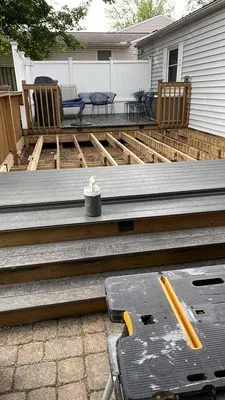
DreamScapes Property Management in Carlisle, PA, brings over a decade of hands-on experience to every project, from deck construction and masonry work to comprehensive landscaping services. Founded in...
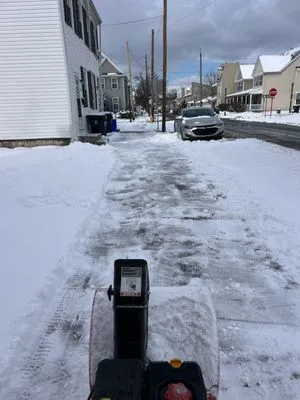
Blue Mountain Services in Lewisberry, PA, is a locally owned and operated property maintenance company with over 15 years of experience serving South Central Pennsylvania and beyond. Founded by Daniel...
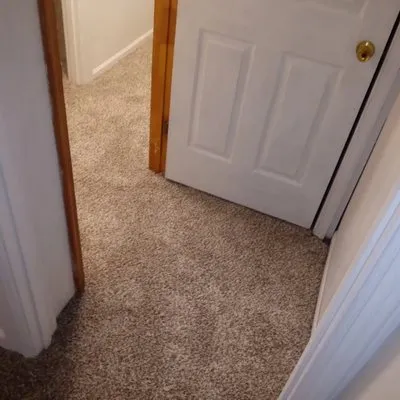
Freddy Wolfe's Services is a reliable, detail-oriented handyman and contracting business serving Camp Hill homeowners. We focus on efficient solutions for your home, from major renovations like bathro...
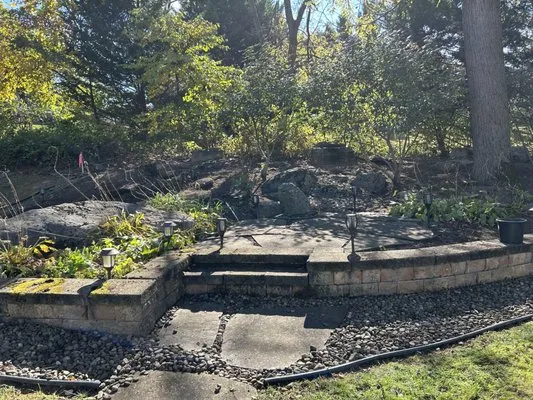
BW Landscaping is a locally owned and operated business in Chambersburg, PA, dedicated to helping residents bring their outdoor visions to life. We focus on landscape maintenance, lawn care, and snow ...
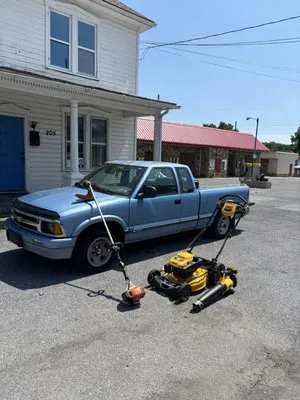
R and T Landscaping is a full-service landscaping company serving Carlisle, PA, and the surrounding communities. We specialize in comprehensive landscape solutions including irrigation repair, landsca...
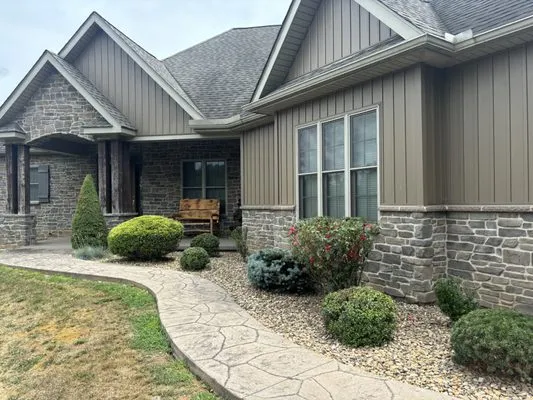
1st Impression Landscaping is a second-generation, family-owned business proudly serving the Carlisle and Newville communities. For years, we've built a reputation on transforming and maintaining resi...
Morris & Stout Lawncare is a Harrisburg-based lawn and snow removal service founded in 2018. What began as a way to make ends meet grew into a full-time commitment to helping neighbors maintain their ...

Smucker Gardens
Smucker Gardens is a locally owned and operated landscaping and garden center in Millersburg, Pennsylvania, established in 1995. With a 31,000 square foot garden center and greenhouse, we offer a wide...

Gran-U-Lawn brings over 30 years of combined experience to the lawns and landscapes of New Cumberland and the greater Harrisburg area. With a personal commitment spanning 15 years in the industry, inc...
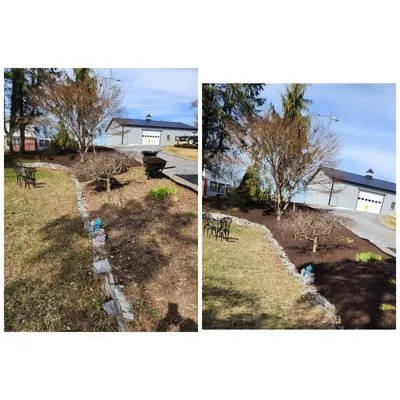
El Vali's Landscaping & Lawn Care is a locally owned and operated business serving Highspire, PA, with over a decade of combined experience in the industry. While the company itself was founded four y...
Estimated Landscaping Service Costs in Shippensburg University, PA
Question Answers
Water pools in my yard every spring. What's a long-term fix?
Localized ponding is common in Duffield Silt Loam due to moderate runoff. Solutions focus on improving permeability. For new patios or walkways, specifying permeable base systems under Pennsylvania Bluestone can meet Shippensburg Borough runoff standards by allowing infiltration. In turf areas, installing French drains or dry creek beds to redirect water is often more effective than attempting to amend the entire soil profile.
Is Pennsylvania Bluestone a good choice for a new patio?
Pennsylvania Bluestone is an excellent, durable local material. Unlike wood or composite decking, it requires no sealing or replacement from rot. Its non-combustible nature also contributes to Firewise defensible space principles, which is a consideration even in Shippensburg's low-risk urban interface rating. For longevity and minimal maintenance, it outperforms organic materials significantly.
Is there a lower-maintenance, eco-friendly alternative to my traditional grass lawn?
Yes, transitioning sections of high-input turf to a native plant community is highly advisable. Species like Purple Coneflower, Switchgrass, and Wild Bergamot are adapted to Zone 6b and require no weekly mowing, fertilization, or frequent watering. This shift reduces fuel consumption and noise, aligning with the move toward electric equipment and local noise ordinances, while providing critical habitat for 2026 biodiversity goals.
How quickly can you respond for an emergency tree cleanup or HOA violation notice?
For urgent situations like storm damage, we dispatch from our central yard near Shippensburg University Old Main. Using I-81 for primary access, we can typically reach University District properties within 20-30 minutes during peak response windows. This allows for immediate site securing and debris management to mitigate safety hazards and address compliance issues promptly.
What permits or licenses are needed for a landscaping project on my property?
Regulation depends on scope. Significant grading or drainage work on a 0.25-acre lot often requires a permit from the Shippensburg Borough Planning and Zoning Department. Furthermore, any application of pesticides or certain fertilizers must be performed by a professional licensed by the Pennsylvania Department of Agriculture. Always verify contractor credentials with these bodies to ensure work is legal, insured, and follows nutrient management law.
What invasive species should I watch for and how are they treated?
In this area, Japanese Knotweed and Tree-of-Heaven are high-priority invasive alerts. Treatment requires professional certification under the PA Nutrient Management Act. Certified applicators use targeted, systemic herbicides at specific growth stages, strictly adhering to seasonal blackout dates to protect waterways. Attempting DIY control often violates ordinance and leads to stronger regrowth.
How do I water my lawn effectively without wasting water?
Voluntary conservation in Shippensburg makes smart irrigation critical. A controller with an in-ground soil moisture sensor is key. It irrigates your Kentucky Bluegrass and Tall Fescue blend only when the root zone is dry, bypassing scheduled cycles after rain. This ET-based approach can reduce water use by 20-30% while maintaining turf health, keeping you well within any future municipal guidelines.
Why is my lawn soil so compacted and what can I do about it?
Properties built in the late 1970s, like many in the University District, have soil that is now nearly 50 years old. The underlying Duffield Silt Loam naturally compacts over decades of foot traffic and standard mowing. This compaction reduces percolation, creating the seasonal ponding you may see. Core aeration in fall, followed by top-dressing with compost, is essential to rebuild soil structure and increase permeability for healthier turf.
