Top Landscaping Services in Shenandoah, PA, 17976 | Compare & Call

There are 51 landscaping companies server in Shenandoah PA
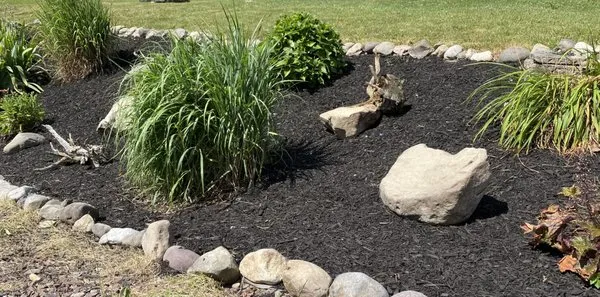
Little Ox Landscaping and Property Services
Little Ox Landscaping and Property Services is a veteran-owned, SBA-certified company serving Fountain Hill and the broader Lehigh Valley. Founded by an educator who followed a passion for property ca...

Eco-Handy was founded in Wilkes Barre in 2020 with a simple, honest mission: to provide quality work at fair prices. Starting with just a set of tools and a strong work ethic, owner Joe built the busi...
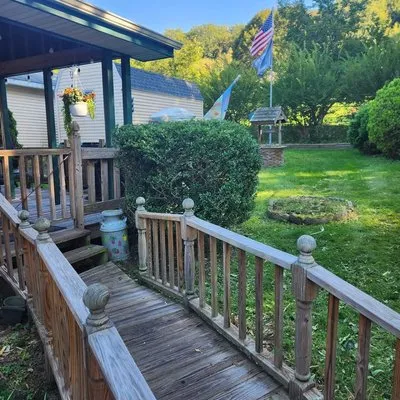
Ron's Lawn Care has been a trusted local provider in Shenandoah, PA, and surrounding Schuylkill and Berks Counties since 1997. Starting with just a small mower and basic tools, Ron has built his busin...

B And L Landscaping is a trusted local provider serving Shoemakersville, PA, with comprehensive lawn care, fence and gate services, and snow removal. We specialize in both residential and commercial p...
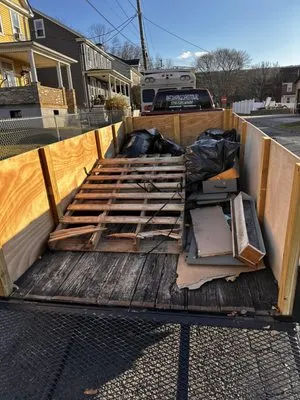
Ames Dump and Demolition
Seth Ames, the owner and operator of Ames Dump and Demolition, is a dedicated Pottsville local committed to providing trustworthy and affordable residential services. At 21, he has built his business ...
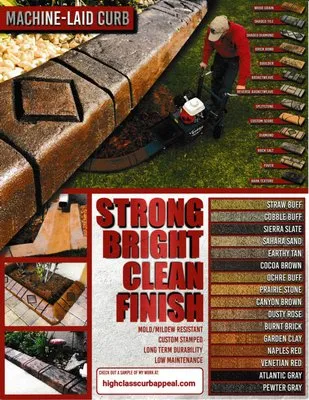
High Class Curb Appeal is a New Ringgold-based masonry and landscaping company founded to solve a common local problem: messy, undefined property lines. We specialize in custom concrete curbing, which...
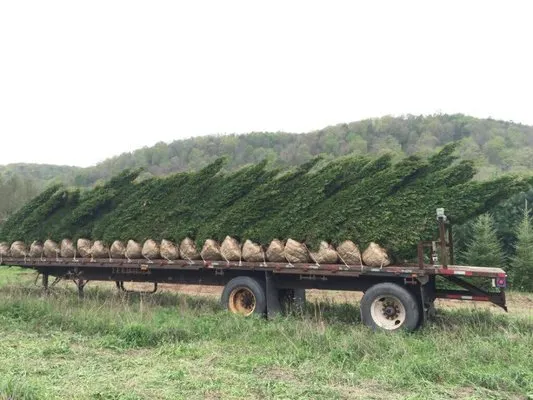
Andes Nursery
Andes Nursery is a family-owned and operated Pennsylvania licensed grower, established with a deep-rooted passion for quality landscape trees. Founded by an owner born with a connection to trees, the ...
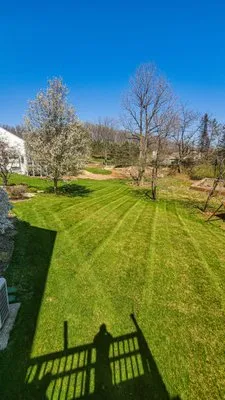
Integrity Property Management, a family-owned business based in Mohnton, has served Berks County since 2014, bringing over 25 years of property management expertise to every job. While our core is pro...
J and C Landscaping is a Schuylkill Haven-based company built on a foundation of integrity and a commitment to doing the job right. Founded by someone who witnessed the shortcuts and dishonesty in the...

Superior Ponds & Waterfalls
Superior Ponds & Waterfalls is a locally owned and operated landscaping company serving Sinking Spring and the surrounding Pennsylvania counties. Founded in 2020 by an experienced supervisor from the ...
Estimated Landscaping Service Costs in Shenandoah, PA
Questions and Answers
Why does the soil in my yard seem so compact and lifeless compared to newer developments?
Your Downtown Shenandoah property, like many built around 1938, has soil with nearly a century of residential use. The native Acidic Channery Silt Loam has likely lost its structure due to foot traffic and past maintenance, leading to high compaction and poor percolation. This mature urban soil often requires core aeration and substantial organic amendments like composted leaf mulch to rebuild porosity and support a healthy rhizosphere. Addressing this foundational issue is more critical than surface-level fertilization.
Can you respond quickly for an emergency tree limb cleanup to meet an HOA deadline?
Our dispatch for emergency storm response in Shenandoah prioritizes routing from the Shenandoah Borough Hall via PA-924, targeting a 20-30 minute arrival during peak hours. We maintain dedicated electric-powered chippers and loaders to operate within the standard 7:00 AM to 9:00 PM noise ordinance, ensuring immediate compliance work without violation. This logistics model is designed for rapid site assessment and debris removal to mitigate safety hazards.
Is Pennsylvania Bluestone a better choice than wood for a new patio?
For longevity and fire resilience, Pennsylvania Bluestone is superior. Its mineral composition is non-combustible, contributing to defensible space crucial for a Moderate Fire Wise rating in the Wildland-Urban Interface. Unlike wood, which decays and requires chemical treatments, dry-laid bluestone offers permanent stability with zero maintenance, and its natural cleft surface provides slip resistance in all weather conditions for your 0.12-acre lot.
Water runs straight down my hill, eroding the soil. What's a lasting solution?
The combination of your property's slope and the low permeability of compacted Channery Silt Loam creates high runoff velocity. A tiered approach using dry-laid Pennsylvania Bluestone in permeable patios or terraces can interrupt flow and increase infiltration. For severe channels, installing a French drain wrapped in non-woven geotextile will collect and redirect water, meeting Shenandoah Borough Zoning Office standards for stormwater management and stabilizing the soil.
How can I keep my lawn healthy without worrying about water waste or restrictions?
While Shenandoah currently operates under normal water status, proactive conservation is standard. Installing Wi-Fi soil moisture sensor controllers creates an ET-based irrigation schedule, applying water only when the root zone of your Kentucky Bluegrass and Fine Fescue requires it. This technology prevents over-saturation, which is particularly important on your sloped lot to reduce runoff, and maintains turf health within any potential future municipal limits.
What permits and credentials should I verify before hiring for major grading work?
Any significant grading or earth-moving on a 0.12-acre lot in Shenandoah requires a licensed professional. Verify the contractor holds appropriate registration with the Pennsylvania Department of Agriculture for pesticide application if soil amendments are involved, and confirm they have pulled the necessary earth disturbance permit from the Shenandoah Borough Zoning Office. This ensures compliance with state nutrient management laws and local sediment control ordinances, protecting you from liability.
Is there a lower-maintenance, eco-friendly alternative to my high-input lawn?
Transitioning sections of turf to a palette of Shenandoah Valley natives like Eastern Redbud, Butterfly Milkweed, and New England Aster significantly reduces water, mowing, and chemical inputs. This xeriscaping approach builds pollinator habitat and aligns with evolving equipment regulations, as established native beds require minimal maintenance beyond seasonal cutbacks, eliminating reliance on gas-powered blowers. It's a forward-looking strategy for the Wildland-Urban Interface.
What should I do about invasive vines overtaking my garden beds?
Common invasives like Japanese Knotweed or Mile-a-Minute Vine in Zone 6a outcompete natives and degrade soil health. Treatment involves precise manual removal or targeted, professional-applied herbicide in accordance with the Pennsylvania Nutrient Management Act, avoiding general broadcast applications. Timing is critical; applications are most effective during active growth phases and must avoid any local blackout dates for fertilizer or pesticide use near waterways.
