Top Landscaping Services in Scranton, PA, 18411 | Compare & Call
There are 207 landscaping companies server in Scranton PA

Cintron and Sons Landscaping
Cintron and Sons Landscaping is a family-owned and operated business proudly serving Covington Township and the surrounding area for over 15 years. Licensed and insured, they provide reliable, full-se...
Greenwood Nursery & Landscaping
Greenwood Nursery & Landscaping is your trusted local partner for creating and maintaining a healthy, beautiful yard in Plains, PA. We understand the specific challenges local homeowners face, from un...
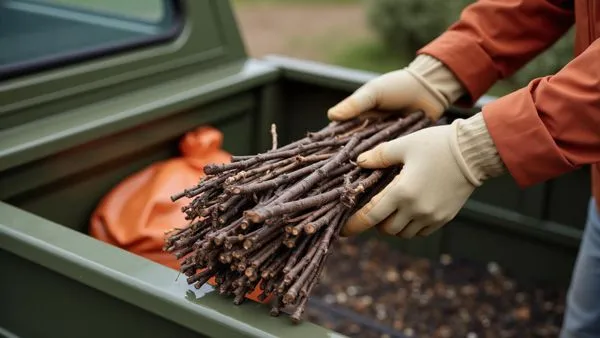
Express Junk Removal is a locally owned and operated service in Hazleton, PA, specializing in junk removal, hauling, moving, and landscaping solutions. We help homeowners and businesses clear out unwa...
D & D Landscaping is your trusted, local partner for lawn and tree care in Dupont, PA. We understand the common challenges homeowners face, such as bare lawn patches and persistent yard drainage issue...
Uhler Outdoor Experts is your trusted Moscow, PA, landscaping team dedicated to solving common local lawn and landscape challenges. Many homes in our area struggle with persistent weed infestations an...
Belles Lawn Care is a dedicated lawn service provider serving Scranton, PA, and the surrounding areas. We specialize in comprehensive lawn care designed to address the specific challenges faced by loc...
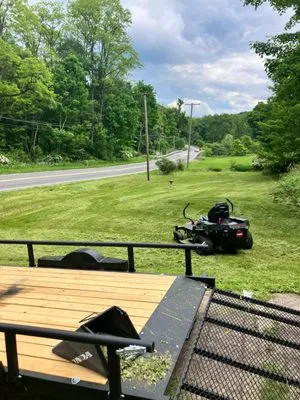
Darlings Lawn Care provides professional lawn care services to residents in Clarks Summit, PA. We specialize in grass mowing, trimming, and thorough cleanup to keep your property looking its best. Our...
Estimated Landscaping Service Costs in Scranton, PA
FAQs
What licensing requirements apply to regrading my 0.14-acre property?
Grading work exceeding 500 square feet requires permits from Scranton's Department of Licensing, Inspections and Permits and contractors holding Pennsylvania Attorney General Home Improvement Contractor Registration. This 0.14-acre lot typically involves 2,000+ square feet of disturbance, triggering erosion control plans and post-construction inspections. Unlicensed grading risks $5,000+ fines and voided property insurance for drainage-related damage.
What invasive species should I watch for in my established landscape?
Japanese knotweed and garlic mustard present the highest invasion risks in Scranton's urban-wildland interface. Manual removal before seed set in early spring avoids phosphorus application conflicts with Pennsylvania Fertilizer Act requirements. Targeted glyphosate applications during dormancy periods maintain compliance while preventing spread to neighboring properties through root fragmentation.
How can I reduce maintenance while preparing for future equipment regulations?
Transitioning high-maintenance turf to Eastern Redbud, Wild Bergamot, New England Aster, and Switchgrass reduces mowing frequency from weekly to seasonal. These natives require 70% less water while providing year-round visual interest. This approach anticipates stricter noise ordinances on gas-powered equipment and supports 2026 biodiversity standards through pollinator habitat creation.
Is Pennsylvania Bluestone worth the investment compared to wood decking?
Pennsylvania Bluestone offers 50+ year durability versus wood's 15-25 year lifespan, with zero maintenance beyond occasional joint sand replenishment. Its non-combustible properties support Low Fire Wise Rating compliance in urban settings by creating defensible space. The material's thermal mass moderates microclimate temperatures while its natural cleft surface provides slip resistance in all weather conditions.
What's causing water pooling in my yard after moderate rains?
Clay-heavy subsoil beneath acidic silt loam creates moderate runoff issues common in Scranton's geology. Permeable Pennsylvania Bluestone installations with 0.5-inch joints filled with angular gravel increase infiltration rates to meet Department of Licensing, Inspections and Permits runoff standards. French drains directing water away from foundations complement these hardscape solutions for comprehensive drainage management.
How quickly can you respond to storm damage for HOA compliance?
Emergency cleanup crews dispatch from Nay Aug Park via I-81 to reach Hill Section properties within 20-30 minutes during peak conditions. This routing avoids downtown congestion while maintaining compliance with Scranton's 9:00 PM to 7:00 AM noise ordinance for gas-powered equipment. We prioritize safety assessments before debris removal to prevent secondary property damage.
Why does my Hill Section lawn struggle despite regular care?
Scranton's Hill Section properties average 88 years of soil development since 1938 construction, creating compacted acidic silt loam with pH 5.8-6.2. Decades of foot traffic and organic matter depletion reduce permeability below 0.5 inches per hour. Core aeration every 2-3 years with compost amendments addresses this historical compaction while maintaining proper soil structure for root development.
Will my Kentucky Bluegrass survive Scranton's dry spells without violating water restrictions?
Wi-Fi ET-based weather sensing irrigation maintains turf health within Stage 0 restrictions by applying 0.75-1.5 inches weekly based on actual evapotranspiration data. This system reduces water use 30-40% compared to traditional timers while preserving the Kentucky Bluegrass and Tall Fescue mix. Soil moisture sensors prevent overwatering during rainfall events, keeping consumption below municipal limits.
