Top Landscaping Services in Schwenksville, PA, 19473 | Compare & Call

There are 184 landscaping companies server in Schwenksville PA
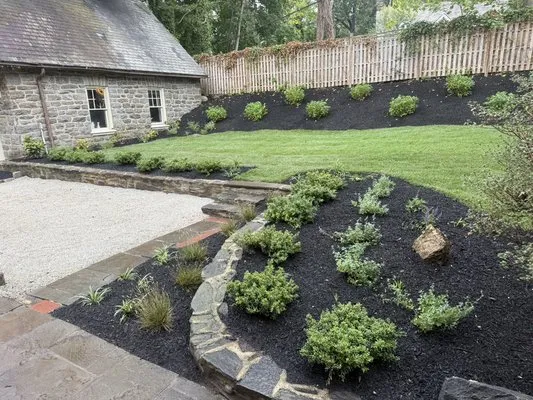
Harpwell Gardens and Landscape
Harpwell Gardens and Landscape is a Broomall-based landscaping company built on a genuine passion for plants, people, and outdoor living. We believe great landscapes start with listening, which is why...
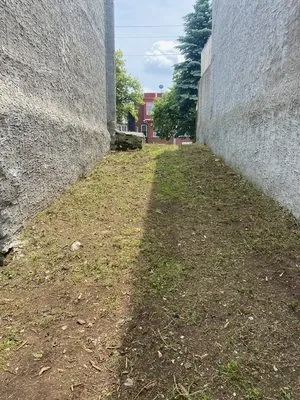
Julian and Sons Total Cleaning Services
Julian and Sons Total Cleaning Services is your trusted, full-service provider in Philadelphia, PA, dedicated to enhancing and maintaining your home inside and out. We offer comprehensive interior and...
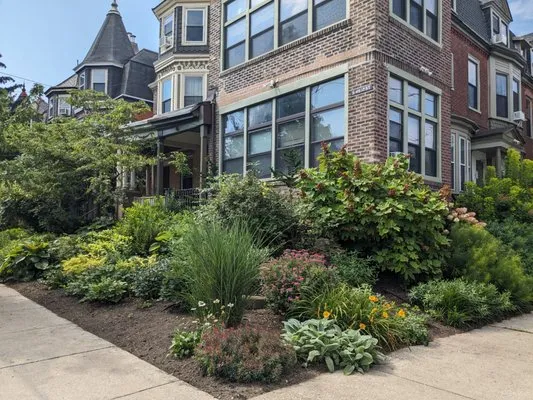
Karena Gardens is a Philadelphia-based landscaping service founded by Karena Valentine, who brings nearly 20 years of experience designing, installing, and maintaining gardens throughout the area. Wit...
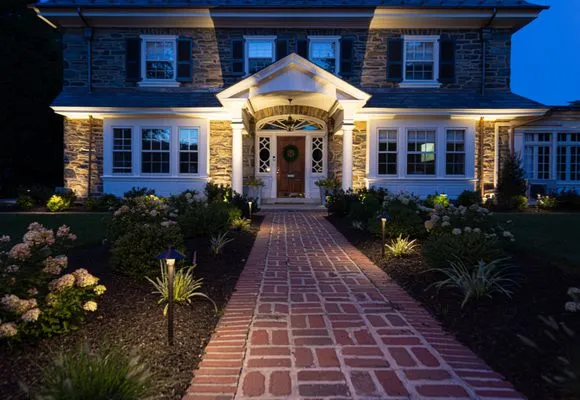
Pierce L Shallis Landscaping & Design
Pierce L Shallis Landscaping & Design brings over a decade of hands-on expertise to Aston, PA, and the surrounding Greater Philadelphia region. Founded by Pierce Shallis, who combines a B.S. in Busine...

GuerraV’ Landscaping
GuerraV' Landscaping is a North Wales, PA-based contractor specializing in durable outdoor solutions for residential and commercial properties. We expertly combine lawn care, snow removal, and profess...
Sabia Landscaping & Tree Service
Sabia Landscaping & Tree Service is a trusted, family-owned company serving Glenside and the Delaware Valley with comprehensive outdoor care for over 30 years. We combine deep-rooted local experience ...
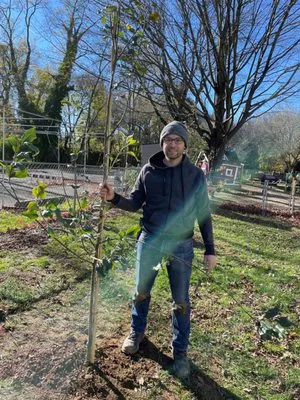
Grow Our Food in Elkins Park specializes in transforming residential properties in the Greater Philadelphia area into beautiful, productive foodscapes. We design and build custom edible landscapes, in...
Sedgwick Landscaping
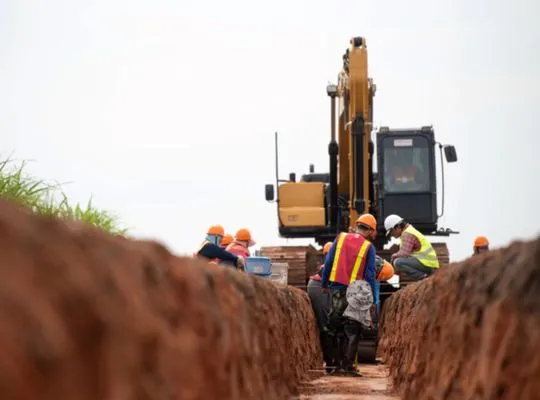
Sedgwick Landscaping is a trusted local company serving Lower Frederick Township, PA, and the surrounding Perkiomen Valley areas like Collegeville and Schwenksville. With over 12 years of experience, ...
Apex Landscaping & Construction
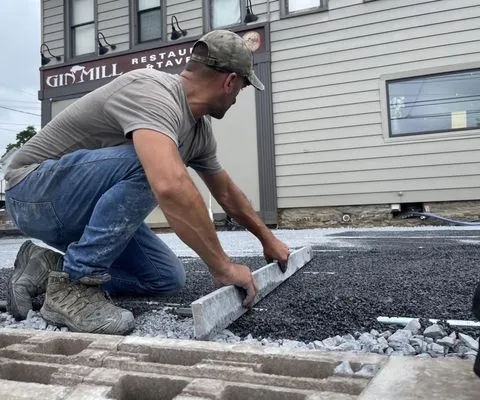
Apex Landscaping & Construction is a full-service landscaping and general contracting company serving Conshohocken, PA, and the surrounding area. We specialize in transforming outdoor spaces with comp...
Zizzlo Landscaping & Hardscaping is a Havertown-based company specializing in comprehensive outdoor solutions for local homeowners. We provide expert landscaping, hardscaping, masonry, and snow remova...
Estimated Landscaping Service Costs in Schwenksville, PA
Frequently Asked Questions
Can I maintain Kentucky Bluegrass during voluntary water conservation?
Smart Wi-Fi weather-based controllers use evapotranspiration data to apply precise irrigation volumes. These systems reduce water use 30-40% while preserving turf health through targeted deep watering cycles. Programming follows municipal conservation guidelines by avoiding midday application and adjusting for soil moisture sensors. This approach maintains drought resilience without exceeding Schwenksville's Stage 0 voluntary limits.
What solves persistent puddling in my clay-based yard?
Moderate runoff from clay subsoil requires subsurface French drains paired with surface grading toward permeable zones. Installing Pennsylvania Bluestone with open-joint patterns increases infiltration rates to meet borough runoff standards. Soil amendments like expanded shale improve permeability while maintaining acidic pH balance. These integrated approaches prevent erosion and protect foundation integrity during heavy precipitation events.
What permits and licenses are needed for grading my 0.35-acre lot?
The Schwenksville Borough Code Enforcement Department requires grading permits for soil movement exceeding 2 cubic yards. Contractors must hold Pennsylvania Department of Agriculture pesticide applicator certification if treating disturbed areas. Professional engineering stamps may be necessary for slopes exceeding 3:1 ratios. These regulations prevent sedimentation in PA Route 29 drainage systems and ensure long-term landscape stability.
Why does my Schwenksville Borough Center lawn struggle despite regular care?
Properties built around 1971 have 55-year-old soil profiles where acidic channery silt loam has become compacted. This soil type naturally restricts root penetration and water infiltration over decades. Core aeration with organic compost amendments improves soil percolation and microbial activity. Addressing these foundational issues supports healthier turf and reduces runoff into Meadow Park watersheds.
How do I control invasive species without violating fertilizer rules?
Manual removal of Japanese stiltgrass and garlic mustard precedes targeted organic treatments. Schedule applications before November to comply with PA Nutrient Management Act winter blackout dates. Soil testing determines precise amendment needs while avoiding phosphorus runoff risks. Certified applicators from the Pennsylvania Department of Agriculture ensure proper protocols that protect local waterways and native plant communities.
How quickly can you respond to storm damage for HOA compliance?
Emergency cleanup crews dispatch from Meadow Park via PA Route 29, arriving within 20-30 minutes during peak response windows. This routing avoids residential bottlenecks while meeting Schwenksville's 7 AM to 8 PM noise ordinance restrictions. Teams prioritize safety hazards first, then address visible property line violations. Coordination with borough officials ensures compliance while restoring landscape integrity.
Is Pennsylvania Bluestone better than wood for patio longevity?
Bluestone's 50-year lifespan exceeds wood's 15-year average with minimal maintenance requirements. Its non-combustible properties maintain defensible space in low fire-risk suburban zones. Proper installation with permeable base materials prevents heaving from freeze-thaw cycles common in Zone 7a. This natural stone integrates with local geology while providing durable surfaces that resist weathering and root intrusion.
Should I replace high-maintenance grass with native plants?
Transitioning to Eastern Redbud, Switchgrass, and New England Aster reduces mowing frequency and eliminates gas-powered equipment noise. These natives thrive in acidic soils without synthetic inputs, aligning with emerging electric equipment mandates. Biodiverse plantings support pollinators while requiring 70% less water than conventional turf. This forward-looking approach anticipates stricter noise ordinances and enhances ecological function.
