Top Landscaping Services in Roaring Spring, PA, 16673 | Compare & Call

There are 61 landscaping companies server in Roaring Spring PA
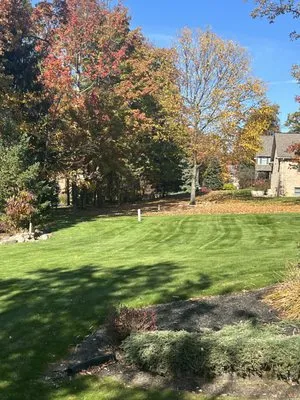
Bryan's Lawn Care is your trusted, local lawn service provider in Altoona, PA. We understand that many homes in our area face specific challenges like poor yard drainage and uneven sprinkler coverage,...
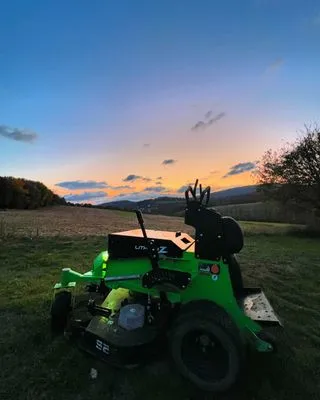
Legacy Lawn Services is a locally owned and operated lawn care, snow removal, and gutter service provider in Altoona, PA, with over 15 years of experience serving homeowners and businesses in the comm...
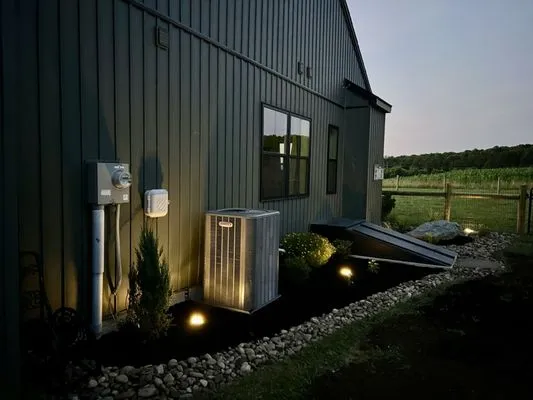
B & G Trees is a family-owned landscaping and supplies company that has been proudly serving Houtzdale, PA, and the surrounding communities for over 30 years. We provide comprehensive solutions for bo...

Keystone Hauling & Landscaping is a fully licensed and insured Johnstown business serving residential and commercial clients throughout Cambria County and surrounding areas like Altoona, Greensburg, S...
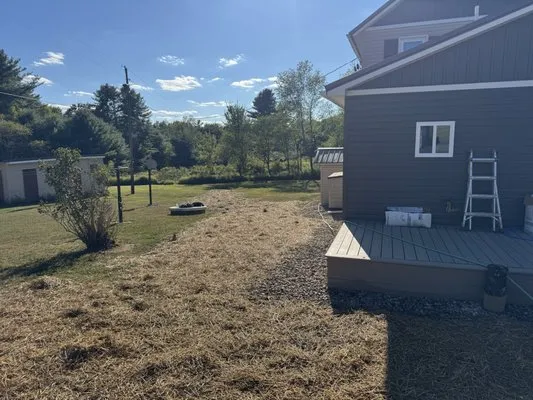
Waite's is a locally owned business in Madera, PA, founded on the principles of affordability, efficiency, and dependability. We provide property maintenance services, including lawn care, landscaping...

With over three decades of carpentry and property management experience in Philipsburg and the surrounding region, I've built a reputation for honest, reliable work. My approach is straightforward: I ...
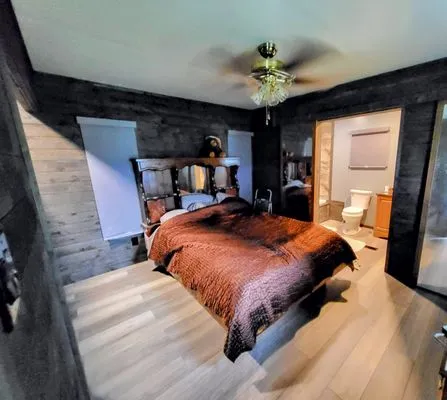
EsScapes Rehab & Renovations is a licensed general contractor serving Indiana, PA, and surrounding areas. We specialize in comprehensive home renovations, from interior remodeling like kitchen and bat...

The Little Lawn is a trusted, family-owned lawn care and property improvement company serving Altoona, Hollidaysburg, and surrounding Central PA communities since 2017. We specialize in a comprehensiv...
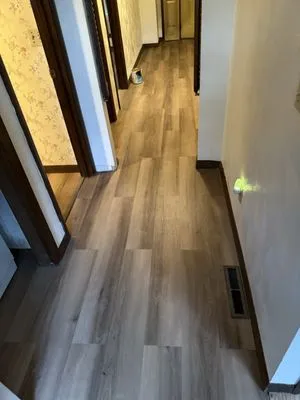
C Beard Services is a trusted, full-service handyman, landscaping, and home cleaning company serving Port Matilda, PA, and the surrounding areas. We specialize in a wide range of home improvement and ...
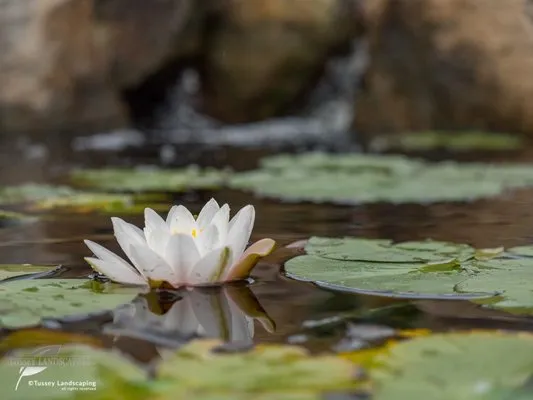
Tussey Landscaping
Tussey Landscaping began as a small family operation in 1991, founded by brothers Dennis and Steve Martin with just a dozen lawn care accounts. Driven by a commitment to customer satisfaction and goin...
Estimated Landscaping Service Costs in Roaring Spring, PA
Questions and Answers
How can I reduce maintenance while supporting local biodiversity?
Replacing high-input turf with Eastern Redbud, Butterfly Milkweed, New England Aster, and Switchgrass creates self-sustaining ecosystems requiring minimal intervention. These natives thrive in Zone 6b without synthetic inputs, eliminating weekly mowing and gas-blower use ahead of tightening noise ordinances. Established plantings reduce water needs by 70% while providing continuous bloom sequences from April through October.
Why choose Pennsylvania Bluestone over wood for patios in fire-prone areas?
Pennsylvania Bluestone provides non-combustible defensible space critical in moderate Firewise zones, unlike wood decks that require chemical treatments. Its 50+ year lifespan with minimal maintenance outperforms wood's 15-20 year cycle requiring replacement. Properly installed with permeable joints, bluestone meets runoff standards while creating safe zones extending 30 feet from structures as recommended for woodland-urban interfaces.
What's causing seasonal flooding in my low-lying yard areas?
Moderate runoff issues stem from acidic silty clay loam's slow permeability combined with seasonal high water tables in Roaring Spring's topography. Installing permeable Pennsylvania Bluestone or concrete paver systems increases infiltration rates to 5-10 inches per hour. These solutions meet Roaring Spring Borough Zoning Office runoff standards while directing water away from foundations through graded swales with 2% minimum slope.
Why does my soil seem so compacted and acidic compared to newer neighborhoods?
Roaring Spring Borough Center properties average 88 years of soil development since 1938 construction, leading to mature acidic silty clay loam with pH 6.2-6.5. Decades of foot traffic and minimal organic input have reduced permeability to 0.5 inches per hour. Core aeration every 2-3 years with compost amendments addresses compaction while maintaining the slightly acidic profile preferred by native Eastern Redbud and Switchgrass.
How quickly can you respond to storm damage for HOA compliance?
Emergency cleanup crews dispatch from Roaring Spring Community Park via PA-36, arriving within 20-30 minutes during peak conditions. Our electric maintenance fleet operates within the 7:00 AM to 9:00 PM noise ordinance window, using battery-powered chippers and sweepers. We prioritize safety zones first, then address visible street-facing violations to meet most HOA 48-hour requirements.
What invasive species should I watch for and how do I treat them safely?
Japanese knotweed and garlic mustard present the highest risks in Roaring Spring's woodland-urban interface. Manual removal before seed set in early spring avoids Pennsylvania Nutrient Management Act restrictions on herbicide timing. For established invasions, targeted glyphosate applications in late fall comply with blackout dates while minimizing non-target impacts. Always verify Pennsylvania Department of Agriculture licensing for any chemical applications.
What permits and licenses are needed for regrading my 0.22-acre property?
Grading altering more than 1,000 square feet requires Roaring Spring Borough Zoning Office approval with engineered drainage plans. Contractors must hold Pennsylvania Department of Agriculture landscape licensing for earth moving exceeding 5 cubic yards. On 0.22-acre lots, even modest regrading often triggers these thresholds, necessitating certified professionals who carry erosion and sediment control certification for projects near seasonal water tables.
Can I maintain Kentucky Bluegrass without violating water conservation guidelines?
Smart Wi-Fi ET-based irrigation controllers adjust watering based on real-time evapotranspiration data, reducing typical Kentucky Bluegrass/Tall Fescue blend consumption by 30-40%. While Roaring Spring has no current restrictions, these systems maintain 0.75-1.0 inches weekly during peak season while staying below voluntary conservation thresholds. Deep, infrequent watering at dawn minimizes evaporation and supports deeper root systems.
