Top Landscaping Services in Richmond, PA, 19522 | Compare & Call
There are 202 landscaping companies server in Richmond PA
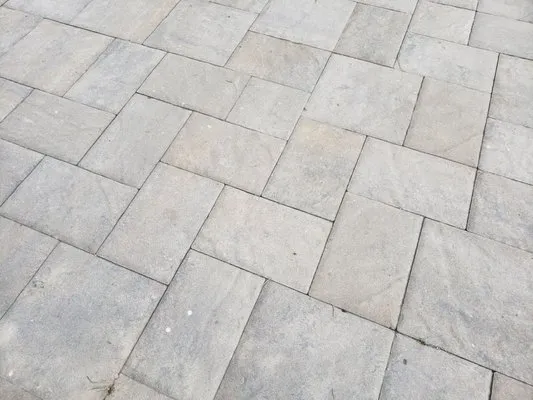
Zizzlo Landscaping & Hardscaping is a Havertown-based company specializing in comprehensive outdoor solutions for local homeowners. We provide expert landscaping, hardscaping, masonry, and snow remova...
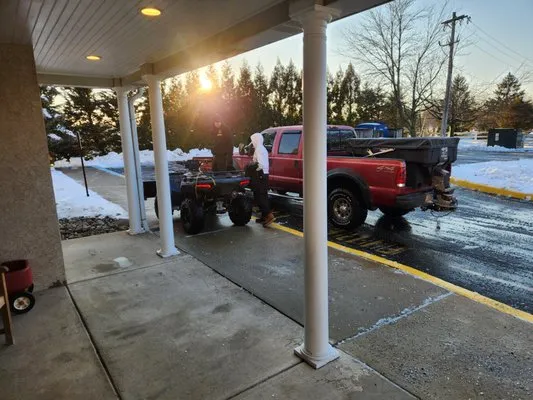
HH Property Maintenance is a trusted, locally-owned landscaping and snow management company serving Worcester and the surrounding Lansdale area. Founded on the principle of treating every client and p...

Promised Land Landscape is a locally owned and operated landscaping company in Allentown, PA, founded and managed by owner Leo. Built on principles of hard work, honesty, and attention to detail, we s...
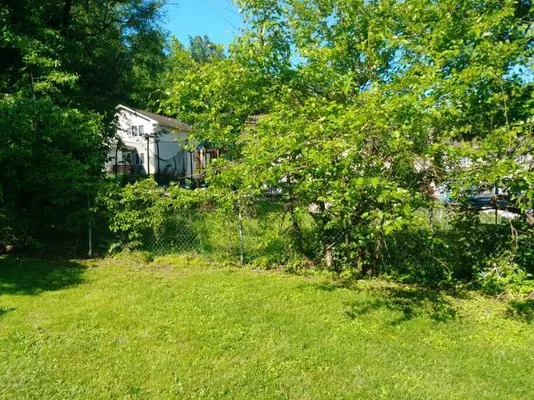
Founded on over 15 years of hands-on experience, Cressman Family Lawn Care LLC is a family-owned and operated business proudly serving Allentown homeowners. Owner Justin brings not only his deep exper...
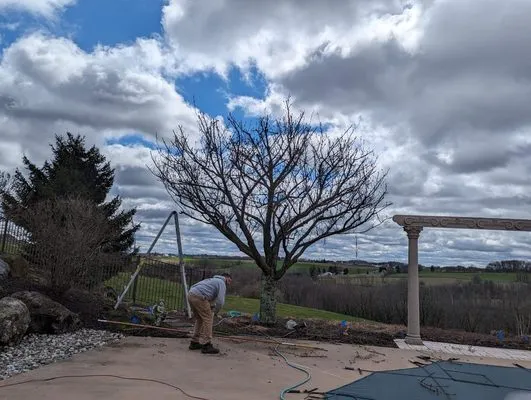
Md Rosario Lawn Care is a trusted local provider in Allentown, PA, specializing in comprehensive lawn care and reliable snow removal services. Many Allentown homes face common landscaping challenges l...
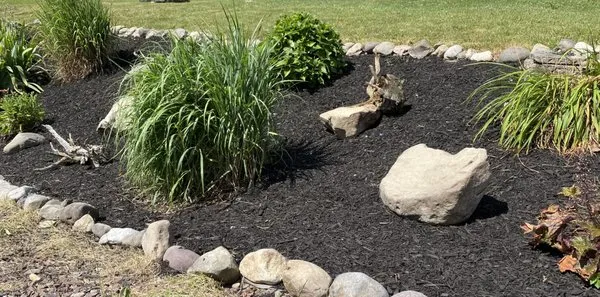
Little Ox Landscaping and Property Services
Little Ox Landscaping and Property Services is a veteran-owned, SBA-certified company serving Fountain Hill and the broader Lehigh Valley. Founded by an educator who followed a passion for property ca...
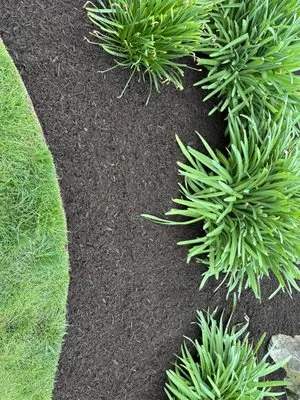
Allentown Lawn & Landscape is a trusted local lawn care and snow removal company serving Allentown, PA. We specialize in addressing common landscaping issues faced by homeowners in our area, such as d...
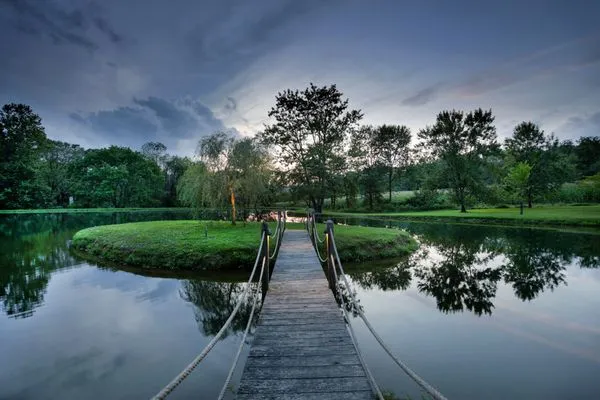
Western Lehigh Services, serving Allentown and the Lehigh Valley since 1990, is a design-build landscaping company dedicated to creating beautiful, functional outdoor spaces. We work with homeowners a...
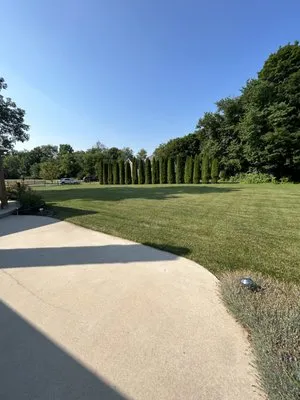
Quality Cuts & Landscaping is your trusted local partner for a healthy, vibrant property in Allentown, PA. We understand the common challenges homeowners face, from unsightly dead lawn patches to dama...
Lehigh Yardworks is a locally owned lawn care service in Bethlehem, PA, dedicated to enhancing the appearance and enjoyment of your outdoor space. We understand that your lawn is a personal sanctuary,...
Estimated Landscaping Service Costs in Richmond, PA
Common Questions
We're adding a patio. Are permeable clay pavers a better long-term choice than wood decking?
For longevity and low maintenance in Richmond's climate, permeable clay pavers outperform wood. They are frost-resistant, do not rot, warp, or require sealing, and their permeability manages stormwater. While wood decks require regular upkeep and have a shorter lifespan, clay pavers offer a permanent solution. Their non-combustible nature also contributes positively to defensible space considerations, even in a low Fire Wise rating urban interface.
How can we keep our Tall Fescue lawn healthy during summer without wasting water under voluntary conservation?
Wi-Fi ET-based weather-sensing irrigation systems are the precise solution for Stage 1 voluntary conservation. This technology automatically adjusts watering schedules by calculating real-time evapotranspiration (ET) rates, subtracting rainfall, and applying water only when and where the turfgrass needs it. This method sustains Tall Fescue's deep root system while reducing overall municipal water use, often by 20-30%, compared to traditional timer-based systems.
Our yard collects water after heavy rain. What's a lasting solution that also looks good?
Moderate runoff is common in Richmond's acidic silty loam due to its underlying clay layer, which impedes drainage. A functional and aesthetic solution involves replacing impervious surfaces with permeable clay pavers. These pavers allow water to infiltrate the soil, reducing surface flow. This approach often meets Philadelphia Department of Licenses and Inspections standards for managing stormwater runoff on-site, mitigating pooling and erosion.
We want to reduce weekly mowing and gas equipment noise. What are our options?
Transitioning high-maintenance turf areas to a planting of native species like Eastern Redbud, Switchgrass, Black-eyed Susan, and Joe Pye Weed significantly reduces recurring labor and resource inputs. These plants are adapted to Zone 7a and require no mowing, minimal watering once established, and support local biodiversity. This shift future-proofs your landscape against evolving noise ordinances that restrict commercial gas blowers and aligns with broader electrification of maintenance fleets.
Do we need a permit to regrade our small backyard, and what should we look for in a contractor?
Yes, regrading that alters water flow or involves significant earth movement typically requires a permit from the Philadelphia Department of Licenses and Inspections. On a 0.08-acre lot, precise work is critical to avoid impacting neighboring properties. Ensure your contractor holds appropriate licensing through the Pennsylvania Department of Agriculture for pesticide application if needed, and carries insurance. This protects you from liability for improper drainage or unauthorized chemical use.
Our Richmond District yard seems compacted and drains poorly. Is this just an old property issue?
Properties built around the 1970s average, like many in this neighborhood, have soils with over 50 years of development. The prevalent acidic silty loam becomes dense and layered with clay-heavy subsoil from decades of standard construction and maintenance. This history reduces percolation, creating the moderate runoff you observe. Core aeration and incorporating composted organic matter are critical steps to rebuild soil structure and porosity for healthier plant roots.
A storm damaged trees near our home. How quickly can a certified crew respond for an emergency cleanup?
For urgent safety issues like storm damage, our Richmond District dispatch prioritizes a rapid response. Crews route from the Richmond Historic Square via I-95, with a target arrival window of 25 to 35 minutes during peak traffic. This allows for immediate hazard assessment and the deployment of electric-powered equipment compliant with local decibel-limited noise ordinances for residential zones.
An invasive vine is taking over a garden bed. How do we remove it safely and legally?
First, identify the species, as treatments vary; common alerts in PA include Mile-a-Minute Vine or Japanese Honeysuckle. Manual removal is often most effective for small infestations. For chemical control, any product used must comply with the Pennsylvania Fertilizer Act, requiring proper N-P-K labeling. Application must avoid blackout dates designed to protect waterways and follow label instructions precisely to prevent harm to desirable plants and soil biology.
