Top Landscaping Services in Reynoldsville, PA, 15851 | Compare & Call

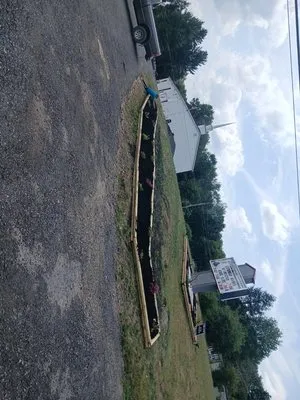
Treys Landscaping is your local, full-service landscaping company serving Reynoldsville, PA, and the surrounding communities. We specialize in solving common local issues like poor lawn grading and st...

B & H Brushogging is a trusted, locally-owned lawn care service in Reynoldsville, Pennsylvania, dedicated to helping homeowners achieve healthy, vibrant outdoor spaces. We understand the common local ...
Jacaroga Property Maintenance
Jacaroga Property Maintenance is your trusted local partner in Reynoldsville, PA, offering comprehensive property care solutions. We specialize in transforming outdoor spaces with expert greenscape co...
Miller's Landscaping provides reliable lawn and landscape services for homes and businesses in Reynoldsville, PA. We understand the specific challenges local properties face, such as shifting rock gar...
Dirty Dan's Lawncare is a trusted lawn service provider serving Reynoldsville, PA, and the surrounding areas. We specialize in comprehensive lawn care solutions designed to address common local landsc...
Frequently Asked Questions
Is Pennsylvania Bluestone a better choice than wood for a new patio, considering durability and fire safety?
Pennsylvania Bluestone offers superior longevity and minimal maintenance compared to wood, which requires regular sealing and decays. As a non-combustible material, bluestone contributes directly to creating defensible space, a core principle of the Moderate Firewise USA Community Guidelines relevant to our region. Its thermal mass can also moderate micro-climate temperatures, and its local sourcing reduces the project's embodied carbon footprint.
I've spotted what looks like Japanese Knotweed. How should I handle this invasive plant?
Japanese Knotweed is a high-priority invasive species alert for Pennsylvania. Eradication requires a targeted, multi-year herbicide regimen applied by a licensed professional. This treatment must be carefully timed outside of any blackout periods specified under the Pennsylvania Nutrient Management Act for general compliance. DIY removal often exacerbates the problem, and proper disposal is critical to prevent further spread in the watershed.
How can I keep my Kentucky Bluegrass lawn healthy during dry spells without violating water use guidelines?
Smart soil-moisture sensor controllers are the key to efficient irrigation under normal restriction status. These systems apply water based on actual evapotranspiration (ET) and root zone saturation, preventing the overwatering that leads to surface ponding. This technology directly conserves municipal water while maintaining the deep root systems necessary for drought resilience in a Bluegrass and Fescue blend. It automates compliance, ensuring turf health within ecological limits.
A storm caused significant debris on my property. How quickly can a crew arrive for an emergency cleanup to meet HOA standards?
For emergency storm response, a dispatched crew from the Reynoldsville Public Library area can typically reach Main Street District properties via PA-322 within a 20 to 30 minute window during peak periods. We prioritize these calls to mitigate safety hazards and preempt compliance issues. Our electric maintenance fleet operates within standard noise ordinance hours, ensuring cleanup can begin promptly at 7:00 AM.
I want to reduce mowing and gas-powered maintenance. What are some native plant options for my yard?
Transitioning high-input turf areas to a planting of Eastern Redbud, Wild Bergamot, and Butterfly Weed significantly reduces weekly mowing and fossil-fuel dependency. These natives are adapted to Reynoldsville's Zone 6a climate and acidic soil, requiring minimal irrigation once established. This shift supports local biodiversity and aligns with evolving community noise ordinances that increasingly restrict gas-powered blowers and mowers during extended hours.
Our Main Street Historic District lawn seems thin and compacted. Why is that, and what's the long-term fix?
Homes built around 1938, common in your area, have soil that is approximately 88 years old. Decades of foot traffic and traditional maintenance have degraded the native structure of your acidic silty loam, leading to compaction and reduced percolation. Core aeration combined with incorporating composted organic matter is essential to rebuild soil porosity and microbial life. This process addresses the low pH and poor infiltration inherent to older neighborhood lots, establishing a foundation for healthier turf and plantings.
Water collects in low spots of my yard after heavy rain. What's a durable solution that also looks good?
Surface ponding in clay-heavy depressions indicates poor permeability in your silty loam soil. A functional solution involves creating a shallow infiltration bed or dry creek channel lined with permeable materials. Using Pennsylvania Bluestone set with open joints allows stormwater to percolate into a gravel base, mitigating runoff. This approach often meets Jefferson County Planning Department standards for on-site water management while providing a naturalistic hardscape feature.
Do I need a permit to regrade my backyard for better drainage, and what kind of contractor should I hire?
Regrading a 0.25-acre lot often triggers review by the Jefferson County Planning Department, especially if it alters stormwater flow patterns or involves significant earth movement. The work must be performed by a contractor holding appropriate licensing through the Pennsylvania Department of Agriculture, which ensures competency in erosion and sediment control. This protects you from liability and ensures the work complies with state nutrient management and local grading ordinances.
