Top Landscaping Services in Reynolds Heights, PA, 16125 | Compare & Call
There are 51 landscaping companies server in Reynolds Heights PA
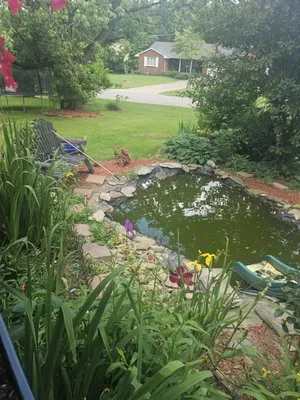
Scape Your Escape in Sharpsville, PA, is a versatile local business specializing in landscaping, auto detailing, and handyman services. In Sharpsville, where many homeowners face common landscaping ch...
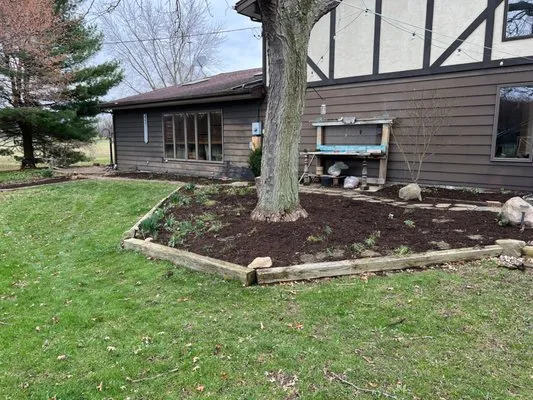
L&L Projects is a locally owned and operated startup in Greenville, PA, bringing experienced professionals to your lawn care, pressure washing, and painting needs. As a small operation, we focus on bu...
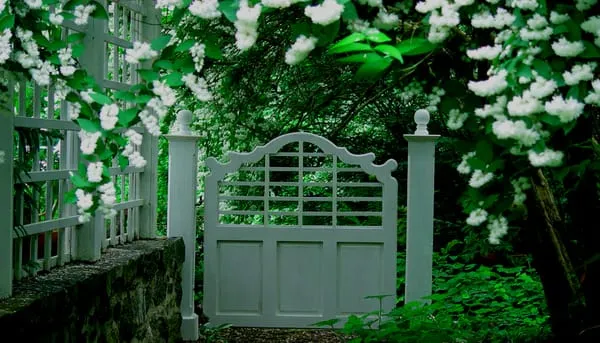
Trace Lawn & Landscaping
Brian Trace, owner and general manager of Trace Lawn & Landscaping, has been at the helm of this Meadville-based company since he founded it in 1994. His hands-on approach in daily operations and stra...
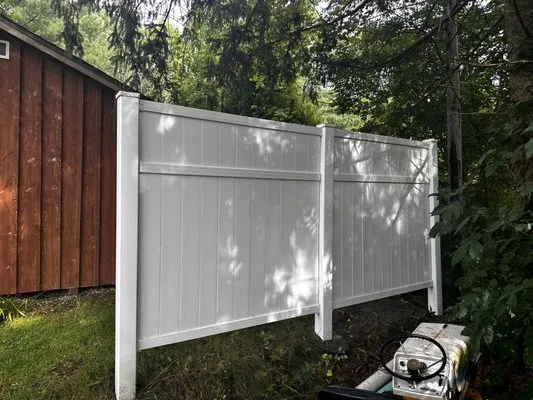
B&B Developments is a locally owned and operated business serving West Mead Township, PA, specializing in lawn care, gutter services, and pressure washing. With deep roots in the community, we underst...

Klein Lawn Care & Snow Plowing is a trusted, family-owned business serving Carlton, PA, and surrounding communities for over 25 years. We specialize in comprehensive lawn care and reliable snow remova...

Nugent Landscaping is a trusted local landscaping and snow removal company serving Greenville, PA, and the surrounding areas. We specialize in addressing common local landscaping challenges, including...
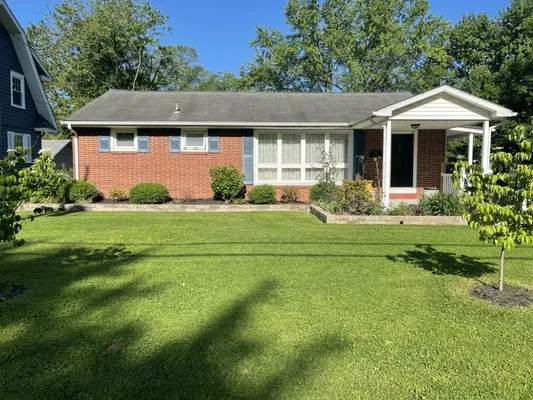
Wolves Landscaping is your trusted local expert in Greenville, PA, specializing in comprehensive tree, lawn, and garden care. We understand the unique challenges Greenville homeowners face, particular...
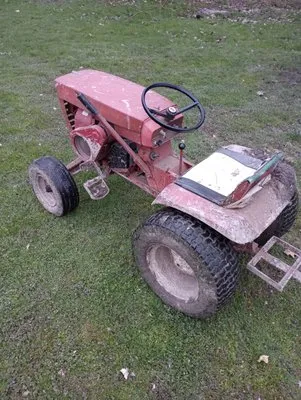
Kayden's Landscaping is your trusted local landscaping partner in Greenville, PA, dedicated to keeping your outdoor spaces healthy and beautiful year-round. We specialize in comprehensive lawn care, s...
One Stop Lawn & Land Care is your trusted local lawn and tree care expert serving Greenville, PA. We specialize in comprehensive lawn care and tree care services designed to address the specific chall...
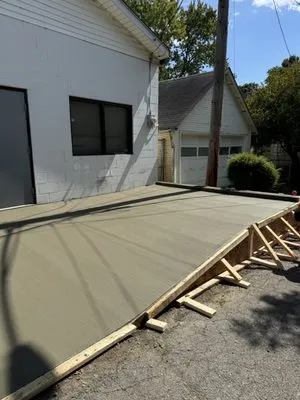
Naylor's Landscaping is a trusted local landscaping company serving Transfer, PA, and the surrounding area. We specialize in addressing common local yard challenges, particularly drainage problems and...
Estimated Landscaping Service Costs in Reynolds Heights, PA
FAQs
Do I need a permit to regrade my backyard, and what kind of contractor should I hire?
Regrading a 0.25-acre lot typically requires a permit from the Reynolds Heights Department of Planning & Zoning to ensure proper drainage and compliance with erosion control standards. The work must be performed by a contractor licensed through the Pennsylvania Department of Agriculture for application of pesticides and fertilizers, or a properly insured landscaping contractor for earthmoving. This licensing ensures adherence to the Fertilizer Act and correct handling of soil amendments, protecting you from liability and substandard work that could affect neighboring properties.
Is Pennsylvania Bluestone or composite wood better for a long-lasting patio?
Pennsylvania Bluestone offers superior longevity and permeability compared to wood or composites, which can degrade or retain heat. Its natural density provides a permanent, low-maintenance surface that aligns with fire-wise principles for defensible space in moderate-risk zones. Properly installed bluestone with a permeable gravel base manages the site's runoff effectively. While the initial cost may be higher, its durability and ecological performance make it a sound investment for Highland Park properties.
My yard has soggy patches every spring. What's a lasting fix for this runoff?
Moderate runoff in Reynolds Heights is often due to seasonal saturation in dense, acidic silt loam, which has low permeability. A graded French drain system tied to a dry well can intercept and manage this subsurface water. For new hardscapes, specifying permeable base installations with Pennsylvania Bluestone allows stormwater to infiltrate naturally, meeting local runoff standards. The Reynolds Heights Department of Planning & Zoning often requires permeable solutions for projects over a certain size to mitigate community drainage hazards.
What should I do about invasive weeds like Japanese Knotweed without using restricted fertilizer?
Invasive species require immediate, targeted physical removal or approved herbicide application, as they outcompete natives like Serviceberry. The Pennsylvania Fertilizer Act restricts phosphorus use on established turf, but these rules do not typically govern labeled herbicide applications for invasive control. Treatment should be timed for early fall when plants translocate chemicals to their roots. Always consult a licensed applicator to ensure methods are safe and compliant, protecting the long-term health of your soil and desirable plants.
Why is my lawn compacted and acidic, and what does my 1960s house have to do with it?
Properties built around 1966 have soil that has matured for 60 years without significant remediation, leading to inherent compaction from construction and decades of foot traffic. Highland Park's acidic silt loam naturally tends to become denser over time, restricting root growth and water infiltration. Core aeration performed in early fall or spring is critical to relieve this compaction. Incorporating compost or calcitic lime can gradually adjust pH and improve soil structure, fostering a healthier rhizosphere for your turf and planting beds.
How quickly can a crew respond for an emergency tree limb cleanup to meet HOA deadlines?
A crew can typically be dispatched within 25 to 35 minutes during a peak response scenario. The route from our staging area near the Reynolds Heights Community Center utilizes I-76 for efficient access to Highland Park. Our electric maintenance fleet complies with the local noise ordinance, allowing for early morning or late evening work if necessary. This setup ensures rapid, compliant service for storm damage or urgent compliance issues without the restrictions of gas equipment on Sundays.
Is there a lower-maintenance, quieter alternative to my traditional turf grass?
Transitioning to a xeriscape or native plant bed with Purple Coneflower, Wild Bergamot, and Switchgrass significantly reduces water, mowing, and chemical inputs. These plants are adapted to Zone 6b and acidic soils, requiring minimal irrigation once established. This shift preemptively addresses evolving noise ordinances that restrict gas-powered blowers and mowers. The resulting landscape supports local biodiversity and creates a fire-wise buffer, aligning with a moderate Wildland-Urban Interface rating by using less flammable, living ground cover.
With voluntary water conservation, how can I keep my Kentucky Bluegrass blend green?
Wi-Fi ET-based weather sensing irrigation is the solution for Stage 1 conservation. This technology automatically adjusts watering schedules based on real-time evapotranspiration data, applying water only when the turf needs it. For acidic silt loam, this prevents both underwatering and the saturation that exacerbates runoff. The system deep-waters roots, encouraging drought tolerance in the Tall Fescue blend while staying well within municipal water use expectations, effectively preserving the lawn's health.
