Top Landscaping Services in Reading, PA, 19601 | Compare & Call
There are 206 landscaping companies server in Reading PA
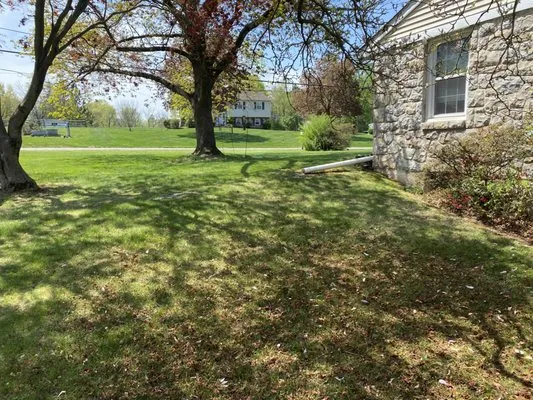
CJ's Side Jobs is your trusted, local handyman service in Reading, PA, specializing in landscaping, painting, and home cleaning to keep your property looking its best. A common issue for homeowners in...
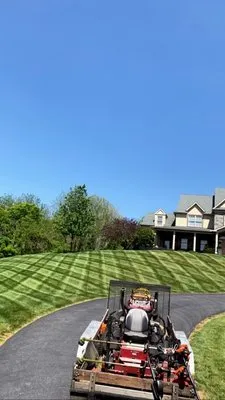
Cutting Edge Lawn & Garden
Cutting Edge Lawn & Garden is a trusted, full-service landscaping company serving Reading, PA, and the surrounding communities. We understand the unique challenges homeowners face, from tree roots dis...
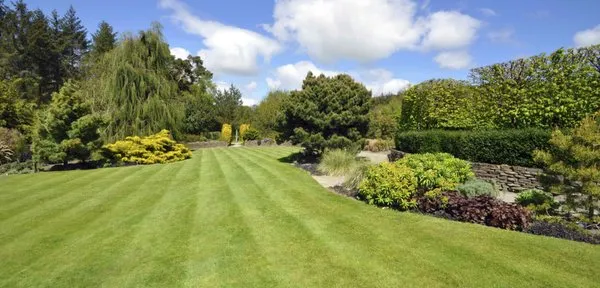
For over 12 years, Capellan Lawn & Landscaping has been a trusted, licensed, and fully insured partner for residential and commercial property owners in Reading, PA. We focus on providing quality and ...
Prodigy Landscaping is a trusted, local landscaping company serving Reading, PA, and the surrounding Berks County communities. We specialize in comprehensive lawn and landscape solutions designed to t...
Lou's Landscaping Services in Honey Brook, PA, is your local expert for lawn care and junk removal, dedicated to solving common landscaping challenges faced by homeowners in our community. We speciali...
Peace & Harmony Landscaping is a trusted local landscaping company serving Reading, PA, specializing in both outdoor and indoor landscaping solutions. We understand the unique challenges homeowners fa...
DJ Landscaping is a trusted, locally-owned landscaping company serving homeowners and businesses throughout Reading, PA, and Berks County. We understand the common issues Reading residents face, such ...
BLB Lawn Care & Landscaping is a trusted, full-service provider serving the Mohnton, PA community. We specialize in comprehensive landscape maintenance, reliable snow removal, and professional tree ca...
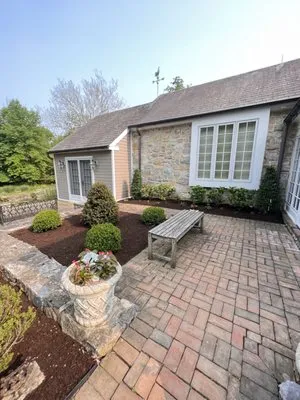
Alfaro Landscaping is a new, dedicated landscaping company serving Reading, PA, and surrounding areas. We focus on providing reliable, personalized services to meet the unique needs of each client, fr...
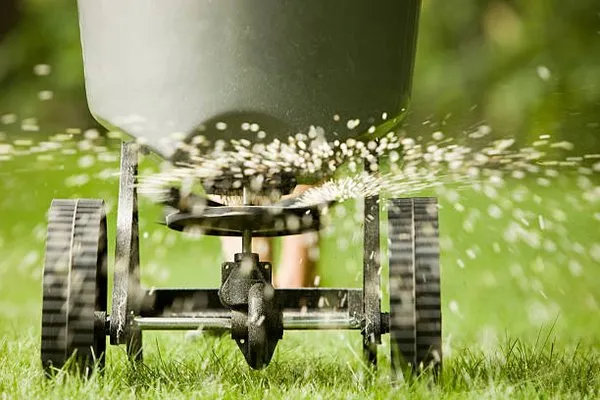
Stumpf's Lawn Care is a family-owned and operated landscape company serving Mountville, PA, and Lancaster County since 2008. We specialize in lawn care, tree services, and snow removal, working direct...
Estimated Landscaping Service Costs in Reading, PA
Questions and Answers
What permits and licenses are needed for a grading and drainage project?
Altering the grade on a 0.12-acre lot typically requires a permit from the Reading City Building & Trades Division to ensure proper stormwater management. The contractor must be registered with the Pennsylvania Attorney General's Home Improvement Contractor Registry. This licensing is non-negotiable for grading work, as it involves significant earth movement and impacts adjoining properties and municipal drainage systems.
A storm knocked down a large limb. How fast can a crew get here for an emergency cleanup?
For HOA compliance or safety hazards, a crew can typically be dispatched within an hour. From our base near the Reading Public Museum, the route via US Route 422 into Centre Park allows for a 20 to 30-minute arrival during peak periods. We prioritize these calls to mitigate property damage and clear access routes, using electric equipment to comply with local noise ordinances if after-hours work is necessary.
Our 1930s-era Reading home has soil that seems dense and tired. What's happening?
Soil in historic Centre Park lots has matured for nearly 90 years. The original acidic silt loam has developed compaction from decades of foot traffic and organic matter depletion. This reduces permeability and root penetration. Core aeration and amendments of composted leaf litter are essential to restore soil structure and microbial activity, directly addressing the compaction common in these neighborhoods.
Is Pennsylvania Bluestone a better choice than wood for a new patio?
For longevity and low maintenance, Pennsylvania Bluestone is superior. It is a native material with exceptional durability against freeze-thaw cycles in Zone 6b. Unlike wood, it does not rot, warp, or require chemical treatments. While the urban density of Centre Park yields a low Firewise rating, non-combustible bluestone also contributes to defensible space, an increasingly considered factor in landscape design.
I want a lower-maintenance, eco-friendly yard. What should I plant?
Transitioning high-input turf to a palette of Pennsylvania natives like Eastern Redbud, Purple Coneflower, and Little Bluestem drastically reduces water, fertilizer, and mowing needs. These plants are adapted to the local acidic soil and climate, supporting pollinators. This shift also future-proofs your property against tightening noise ordinances that may further restrict gas-powered maintenance equipment.
How can I keep my lawn healthy during summer without wasting water?
In Reading's Zone 6b climate, smart ET-based irrigation controllers are the standard. These systems use local weather data to apply only the water lost to evapotranspiration that day, preventing overwatering. This technology is critical for maintaining a Kentucky Bluegrass and Tall Fescue blend under voluntary conservation guidelines, as it can reduce water use by up to 30% compared to traditional timer-based systems.
My yard pools water after every rain. What's the solution?
Moderate runoff is common due to the clay-heavy subsoil compaction under Reading's silt loam. The primary fix involves improving soil percolation through aeration and adding organic matter. For new hardscape, specify permeable base installations using Pennsylvania Bluestone. This design meets city runoff standards by allowing water to infiltrate the ground rather than contributing to stormwater overload.
What are the biggest threats to my landscape's health, and how do I handle them?
Invasive species like Tree-of-Heaven and Japanese Stiltgrass are primary alerts. Manual removal and targeted, professional-grade herbicide applications are most effective. Any treatment must comply with the Pennsylvania Nutrient Management Act, which regulates fertilizer and chemical use to protect watersheds. Schedule treatments outside of any local blackout dates, typically during active growth periods for the invasive species.
