Top Landscaping Services in Plymouth, PA, 19422 | Compare & Call

JC's Grass and Lawn Care is a locally owned and operated lawn service in Plymouth, PA, founded on over eight years of hands-on experience caring for lawns in our community. Owner JC started by helping...
J's Clean Cut Yards LLC is a family-owned lawn care service based in Plymouth, PA, with over 10 years of experience serving the local community. Specializing in lawn care, including mowing, trimming, ...
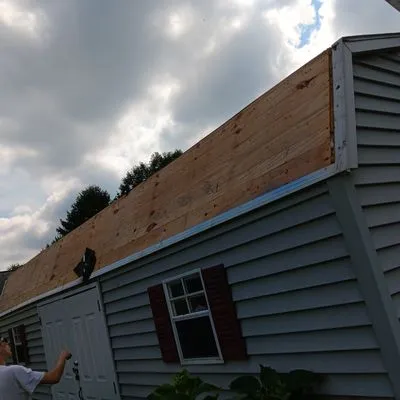
Maley Enterprises & Construction is a Plymouth-based contractor founded on over a decade of hands-on experience. We specialize in making home improvements accessible and reliable for our community, of...

D&D Landscaping is your trusted, local lawn care expert serving Plymouth, PA, and the surrounding communities. We understand the unique challenges homeowners face in our area, from managing troublesom...

Arbor Garden Land Care is a family-owned lawn and landscape service deeply rooted in the Plymouth, PA community. With over 25 years of hands-on experience, the team brings a practical, multi-generatio...
Questions and Answers
Is Pennsylvania Bluestone a better long-term choice than wood for a patio?
For longevity and reduced lifecycle maintenance, Pennsylvania Bluestone is a superior choice to wood. Its inherent durability requires no sealing or annual treatment, and it provides a non-combustible surface. This is a relevant consideration for defensible space, even in Plymouth's current Low Wildfire Urban Interface rating, as it eliminates flammable fuel immediately adjacent to the home. A properly installed bluestone patio, with a permeable base, will last decades with minimal upkeep compared to wood's inevitable decay and replacement cycle.
What permits and contractor qualifications are needed for significant landscaping work on my 0.12-acre lot?
Any project involving significant grading, drainage alteration, or retaining walls over two feet requires a review by the Plymouth Borough Zoning and Code Enforcement office. For work that includes pesticide application or certain structural changes, the contractor must hold appropriate licensing through the Pennsylvania Department of Agriculture. It is critical to verify these credentials, as improper grading on a small 0.12-acre parcel can negatively impact neighboring drainage and lead to code violations.
Why does the soil in my Plymouth Borough Center yard seem so tired and compacted?
Lots in this neighborhood, with homes averaging from the 1940s, have experienced decades of soil compression from construction and maintenance. The native acidic silty loam, while fertile, has lost much of its organic matter and structure over time. With 86 years of maturity, the soil profile likely lacks the macro-pores necessary for healthy root growth and water percolation. Annual core aeration combined with incorporating composted organic matter is essential to rebuild soil biology and improve permeability.
If a storm causes significant debris on my property, how quickly can a crew arrive for emergency cleanup?
For urgent HOA compliance or safety-related debris cleanup in Plymouth Borough, dispatch from our central staging area near the Plymouth Borough Building allows for a rapid response. Crews utilize US-11 for primary access to most Borough Center locations, with an estimated peak storm response time of 20 to 30 minutes. This routing prioritizes efficiency while adhering to all local traffic and safety protocols during active weather events.
My yard in Plymouth Borough holds water after heavy rain; what are my options?
Moderate runoff issues are common in Plymouth's silty loam soils, especially given the area's floodplain proximity. The soil's moderate permeability can lead to surface ponding. Solutions include installing a French drain system to redirect subsurface water and regrading to create positive surface flow away from foundations. For new hardscape, using permeable set designs with Pennsylvania Bluestone can significantly reduce runoff, often helping projects meet Plymouth Borough Zoning and Code Enforcement standards for stormwater management.
How can I keep my lawn healthy during Plymouth's voluntary water conservation periods?
Current Stage 0 voluntary conservation in Plymouth emphasizes smart water use, which aligns with modern irrigation technology. Wi-Fi-enabled soil moisture sensor controllers are calibrated to the specific evapotranspiration (ET) rate of your Kentucky Bluegrass and Tall Fescue blend. These systems automatically adjust watering schedules based on real-time soil data and weather forecasts, applying water only when and where it is needed. This precision irrigation maintains turf health while demonstrably staying within municipal water use expectations.
What invasive species should I watch for in Plymouth, and how do I manage them safely?
Common invasive alerts for Zone 6b include Japanese Knotweed, Tree-of-Heaven, and Garlic Mustard. These species aggressively outcompete natives and degrade soil health. Management requires a targeted, often multi-year plan starting with proper mechanical removal. Any follow-up treatment must comply with the Pennsylvania Fertilizer Act, which restricts phosphorus application and may dictate specific application windows. Always verify product labels and consider consulting a licensed professional to ensure treatments are effective and lawful.
Is there a lower-maintenance, eco-friendly alternative to my high-input lawn?
Transitioning sections of turf to a xeriscape or native planting bed directly addresses water conservation and biodiversity goals for 2026. A palette using Eastern Redbud, Switchgrass, Wild Bergamot, and New England Aster provides year-round interest, supports pollinators, and requires no weekly mowing or frequent irrigation. This approach also future-proofs your landscape against evolving noise ordinances targeting gas-powered blowers, as these plantings generate minimal leaf litter and require only seasonal cutbacks.
