Top Landscaping Services in Pleasant Hills, PA, 15025 | Compare & Call
There are 182 landscaping companies server in Pleasant Hills PA
T-N-T Lawn Service is a full-service landscape company dedicated to serving the South Hills of Pittsburgh, including the Eighty Four area. We provide comprehensive lawn care, from weekly maintenance l...

D and E Landscaping Services is a trusted local landscaping company serving Spraggs, PA, and the surrounding areas. With expertise in everything from routine lawn care to complex landscape constructio...
Ward Landscape Brokerage Service in Pittsburgh, PA, is a full-service landscaping company that helps local homeowners transform and maintain their outdoor spaces. We specialize in a wide range of serv...
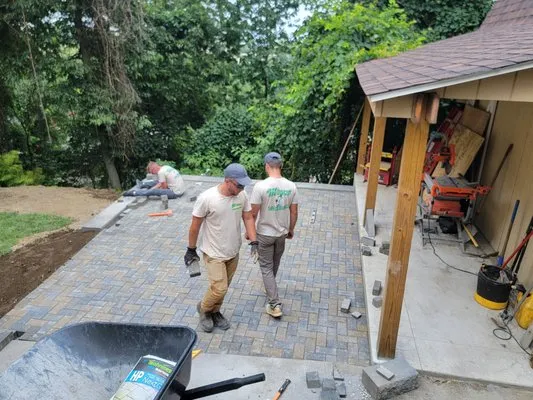
Maust Landscaping
Founded in 1990, Maust Landscaping began with a commitment to personalized service, treating every project as if it were our own landscape. We take immense pride in transforming spaces from nothing in...
Landscape For Hope is a Pittsburgh-based landscaping company dedicated to solving common local homeowner challenges. We specialize in addressing specific issues like irrigation timer failures and land...
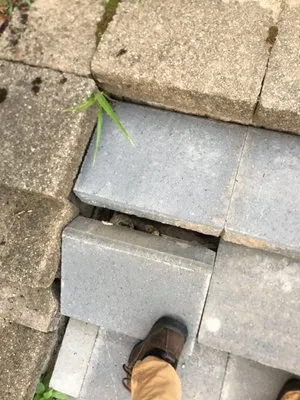
20 Landscaping is a licensed contractor serving Bethel Park, PA, specializing in comprehensive landscaping and property maintenance. We handle everything from routine grass cutting, fertilizing, and m...
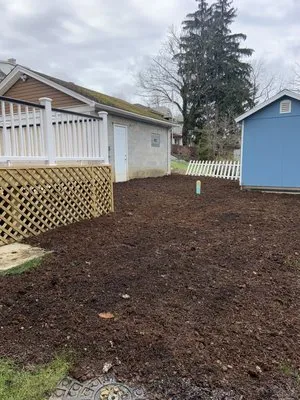
Custom Edge Lawn And Landscape
Custom Edge Lawn And Landscape is a family-owned and operated business serving Bethel Park, PA, and surrounding areas for over 35 years. Specializing in comprehensive lawn and tree care, they offer se...
W & C Landscaping is a Bethel Park-based business built on the principles of hard work and a commitment to quality. Founded by local teenagers looking to contribute to their community, we bring energy...
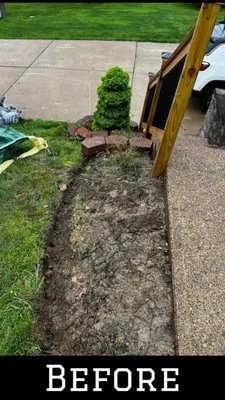
ND Landscaping is a locally owned and operated lawn service in Bethel Park, PA, founded by Dylan and Nate. With two years of combined experience in the landscaping industry, these dedicated students l...
Boscage Tree Service is a family-owned Pittsburgh tree care company with over five years of dedicated service to the local community. As members of the International Society of Arboriculture and the A...
Estimated Landscaping Service Costs in Pleasant Hills, PA
Q&A
How do we maintain our Kentucky Bluegrass and Tall Fescue blend during potential water restrictions?
Smart Wi-Fi soil moisture sensor controllers optimize irrigation by tracking evapotranspiration rates and soil saturation. These systems apply water only when turfgrass root zones drop below 50% field capacity, typically reducing usage by 30-40%. During Normal water restriction status, controllers automatically adjust to municipal guidelines while preserving turf health. This technology prevents overwatering clay-heavy subsoil that characterizes Pleasant Hills properties.
Can we reduce mowing frequency and maintenance costs with native plantings?
Replacing high-maintenance turf with Eastern Redbud, Flowering Dogwood, and Switchgrass creates low-input landscapes that support 2026 biodiversity standards. Native plantings require no weekly mowing, eliminating gas-powered equipment use during restricted hours. Purple Coneflower and Common Milkweed provide critical pollinator habitat while reducing irrigation needs by 70-80%. This transition ahead of evolving noise ordinances positions properties for long-term ecological and regulatory compliance.
Our yard has moderate runoff issues after heavy rains. What solutions work with local soil conditions?
Gilpin-Wharton Silt Loam's clay-heavy composition creates permeability challenges, requiring integrated drainage solutions. Installing French drains with clean gravel and perforated pipe at 12-18 inch depths redirects subsurface water. Permeable Pennsylvania Bluestone or concrete pavers in patios and walkways increase surface infiltration by 40-60%. These approaches meet Pleasant Hills Borough Zoning and Code Enforcement runoff standards while addressing the area's characteristic subsoil compaction.
Our Pleasant Hills Borough Center neighborhood has older homes with compacted soil. What's happening underground?
Properties built around 1957 have soil that has matured for approximately 69 years. Gilpin-Wharton Silt Loam naturally develops clay-heavy subsoil compaction over decades, reducing permeability to 0.1-0.3 inches per hour. This silt loam with pH 5.8-6.2 requires annual core aeration to break up compaction layers. Adding 2-3 inches of composted organic matter each fall improves soil structure and supports mycorrhizae networks.
Should we use Pennsylvania Bluestone or wood for our new patio considering longevity and safety?
Pennsylvania Bluestone provides superior longevity with 50+ year lifespan compared to wood's 15-20 year maximum. The stone's non-combustible nature supports Low Fire Wise Rating compliance, creating defensible space around structures. Bluestone requires minimal maintenance and withstands freeze-thaw cycles characteristic of Zone 6b. For high-use areas, concrete pavers offer similar durability with interlocking designs that accommodate soil movement without cracking.
We need emergency storm cleanup to meet HOA compliance deadlines. How quickly can a crew arrive?
Emergency response from Pleasant Hills Arboretum takes 20-30 minutes during peak conditions. Crews route via PA-51 (Clairton Boulevard) with electric maintenance equipment to comply with 8:00 AM - 9:00 PM noise ordinances. The electric fleet operates within decibel limits while providing immediate debris removal. This ensures compliance with Pleasant Hills Borough stormwater management requirements following significant weather events.
What invasive species should we watch for, and how do we treat them safely?
Japanese knotweed and garlic mustard present significant invasive risks in USDA Zone 6b, outcompeting native species and degrading soil health. Treatment requires targeted herbicide applications during active growth phases, avoiding Pennsylvania's fertilizer ordinance blackout dates. Certified applicators through the Pennsylvania Department of Agriculture ensure proper chemical handling without contaminating impervious surfaces. Early detection and integrated management preserve Pleasant Hills' ecological balance.
What permits and licenses are needed for grading work on our 0.28-acre lot?
Grading projects exceeding 100 square feet require Pleasant Hills Borough Zoning and Code Enforcement permits for erosion control and drainage compliance. The Pennsylvania Department of Agriculture mandates Pesticide Applicator Licensing for any soil amendment treatments. On 0.28-acre lots, professional licensing ensures proper slope calculations and stormwater management integration. These requirements prevent runoff violations and maintain neighborhood soil stability standards established over decades of development.
