Top Landscaping Services in Pleasant Hill, PA, 17042 | Compare & Call
There are 171 landscaping companies server in Pleasant Hill PA
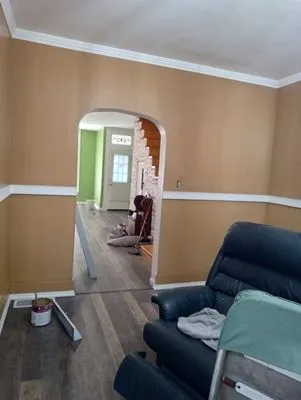
A&L Landscaping is your local partner for a healthy, beautiful property in Reading, PA. We combine efficient service with a wide variety of solutions, from routine lawn mowing and fertilization to spe...

Sanci's Landscaping is a trusted, fully licensed and insured landscape professional serving Berks County and the Reading, PA area since 2010. As a full-service lawn and landscape company, we offer com...
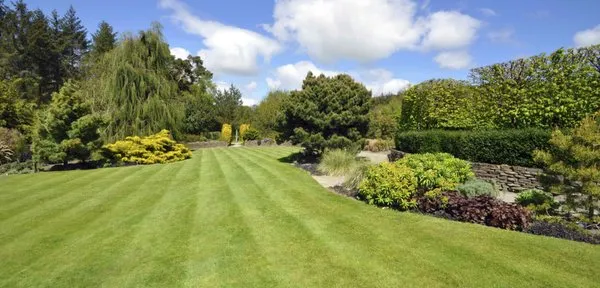
For over 12 years, Capellan Lawn & Landscaping has been a trusted, licensed, and fully insured partner for residential and commercial property owners in Reading, PA. We focus on providing quality and ...
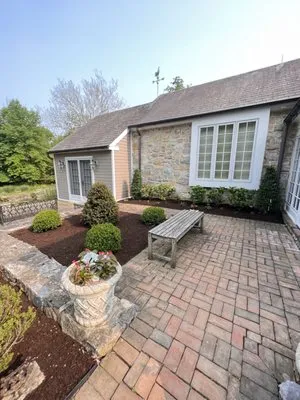
Alfaro Landscaping is a new, dedicated landscaping company serving Reading, PA, and surrounding areas. We focus on providing reliable, personalized services to meet the unique needs of each client, fr...
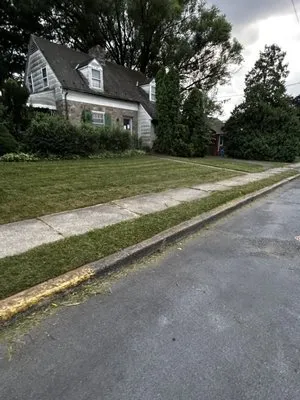
Thinna's Property Services LLC is a locally owned and operated company in Reading, PA, dedicated to property maintenance. We handle everything from appliance and furniture disposal to lawn care and ju...
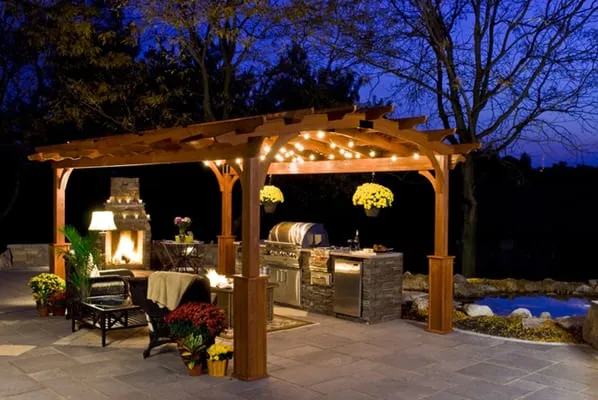
C.E. Pontz Sons
C.E. Pontz Sons is a Lancaster-based landscaping company with deep roots in the community, founded in 1934 by Clarence Pontz. As a family-run business now led by Adrian Kapp, it blends decades of expe...

All Year Round Grounds Services is your trusted local partner for comprehensive property care in Reading, PA. We specialize in landscaping, snow removal, and tree services, providing reliable solution...
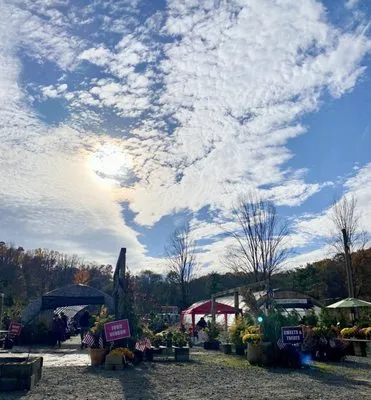
Kospia Farms
Kospia Farms is a family-owned, 26-acre destination retail farm in Alburtis, PA, specializing in landscaping, nurseries, and outdoor furniture. With over 40 years of experience, owners Barry and Maria...
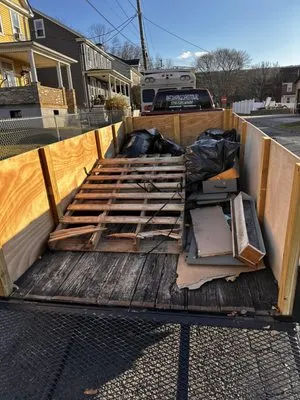
Ames Dump and Demolition
Seth Ames, the owner and operator of Ames Dump and Demolition, is a dedicated Pottsville local committed to providing trustworthy and affordable residential services. At 21, he has built his business ...
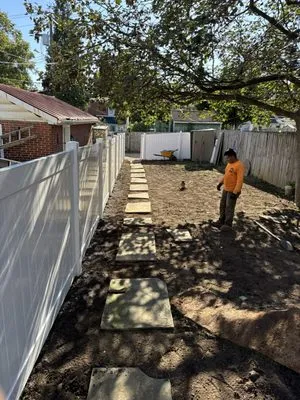
C & L Landscapes And Construction serves Pottstown, PA, with comprehensive outdoor solutions in masonry/concrete, landscaping, and tree services. Our team focuses on transforming local properties thro...
Estimated Landscaping Service Costs in Pleasant Hill, PA
FAQs
Do I need a permit to regrade my backyard for a new patio and drainage?
Yes, significant grading on a 0.25-acre lot typically requires a permit from the Pleasant Hill Zoning and Planning Department to ensure proper stormwater management and adherence to setback rules. Furthermore, any contractor performing this work should hold appropriate licensing from the Pennsylvania Department of Agriculture, Landscape/Pesticide Division. This ensures they are trained in erosion control and nutrient management, protecting you from liability and environmental violations.
Is Pennsylvania Bluestone a better choice than a wood deck for a new patio?
For longevity and minimal maintenance, Pennsylvania Bluestone is superior. It is a durable, local stone that withstands freeze-thaw cycles in Zone 6b without rotting, warping, or requiring chemical treatments. A bluestone patio also contributes to a Firewise landscape by creating a non-combustible defensible space immediately around the home, which is a prudent consideration even in Pleasant Hill's low fire-risk rating.
I want to reduce mowing, gas usage, and noise. What are my best landscape options?
Transitioning high-maintenance turf areas to a planting of Eastern Redbud, Switchgrass, Purple Coneflower, and Swamp Milkweed creates a resilient, low-input landscape. These natives are adapted to USDA Zone 6b and acidic soils, requiring no fertilizer and minimal water once established. This shift reduces weekly mowing frequency and aligns with the industry's move toward electric, quieter maintenance equipment ahead of tighter noise ordinances.
My patio area floods every spring. What's a long-term solution for my yard's wet spots?
Seasonal saturation in acidic silt loam requires solutions that manage surface flow and improve infiltration. Replacing impervious surfaces with permeable Pennsylvania Bluestone patios or walkways allows water to percolate into the subsoil, reducing pooling. For chronic low-lying areas, installing a French drain or dry creek bed can redirect water away from structures. These modifications often meet Pleasant Hill Zoning and Planning Department's standards for managing onsite runoff.
Why does my Pleasant Hill Central yard struggle with compaction and poor drainage?
Homes built around 1986, like many in this neighborhood, have established lawns on acidic silt loam soil that is now 40 years mature. Without consistent aeration, this soil type becomes dense and restricts root growth and water percolation. Core aeration, ideally performed in early spring or fall, combined with top-dressing compost, will improve soil structure and permeability. This addresses the moderate seasonal saturation common in low-lying areas near riparian zones.
How quickly can a crew arrive for emergency storm debris removal or HOA compliance trimming?
For urgent service in Pleasant Hill Central, crews dispatch from our central yard near Pleasant Hill Community Park. Using PA-51, the estimated peak storm response time is 20-30 minutes. All equipment complies with the local noise ordinance for decibel-limited operations between 7:00 AM and 8:00 PM. We prioritize securing the site and removing immediate hazards before commencing full cleanup.
Is my Kentucky Bluegrass blend doomed during dry summers if we follow voluntary water conservation?
Not with proper ET-based management. A smart Wi-Fi irrigation controller uses real-time evapotranspiration data to apply only the water your turfgrass blend needs, minimizing waste. This technology allows you to adhere to voluntary conservation recommendations while maintaining turf health. Deep, infrequent watering cycles encouraged by these systems promote deeper root growth, making the lawn more drought-resilient.
I've spotted invasive Japanese Knotweed. How do I handle it without breaking local fertilizer rules?
Japanese Knotweed requires aggressive, multi-year management. Under the Pennsylvania Nutrient Management Act, herbicide applications must avoid frozen ground to prevent runoff. A licensed professional can apply a targeted systemic herbicide during the plant's active growth phase in late summer, which is outside typical blackout dates. Manual removal is insufficient for this species; professional treatment ensures compliance and prevents further spread into natural areas.
