Top Landscaping Services in Palmerton, PA, 18071 | Compare & Call

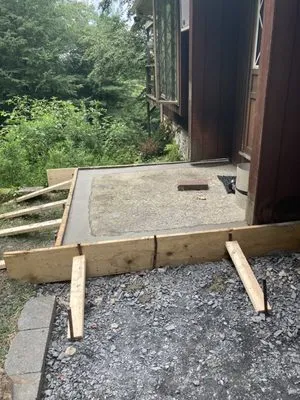
Lang's Landscaping Inc has been a trusted name in Carbon County since 1995, providing comprehensive landscaping solutions for both residential and commercial properties. With nearly three decades of e...

Little Gap Landscaping
Little Gap Landscaping is a full-service landscaping and general contracting company serving Palmerton, PA, and the surrounding areas. We specialize in a wide range of services, including landscape de...
Langs Landscaping Inc is a fourth-generation, family-owned business serving Palmerton, PA, and surrounding areas for over 30 years. With deep roots in the community, we specialize in comprehensive tre...
Berger Excavating & Landscapes
Berger Excavating & Landscapes is a trusted, family-owned contractor serving Palmerton and the surrounding Lehigh Valley. We specialize in the excavation and grading services essential for a healthy, ...
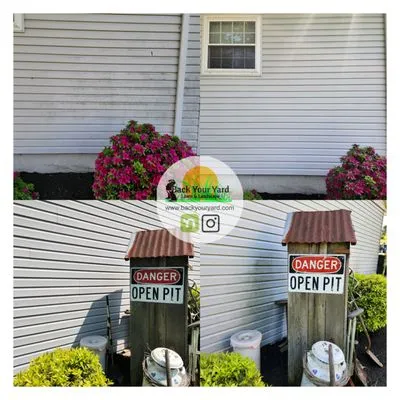
Founded in 2021, Back Your Yard is a Palmerton-based outdoor services company born from a simple dream: to provide lawn and tree care that genuinely shows we care. We're more than just a name; we're a...
Star Quality Landscaping & Tree Services
Star Quality Landscaping & Tree Services is a trusted, locally-owned provider in Palmerton, PA, specializing in comprehensive outdoor solutions. We help Palmerton homeowners tackle common local landsc...

Edith Cleaning is a family-owned and operated business in Palmerton, PA, founded by a couple who began by helping family members with tasks like garage cleanouts, moving assistance, and deep cleaning ...
Costenbader Brother's Landscaping is a trusted, family-owned business serving Palmerton, PA, and the surrounding Lehigh Valley. For years, we've helped local homeowners tackle the specific challenges ...
B & P Reliable Tree Service
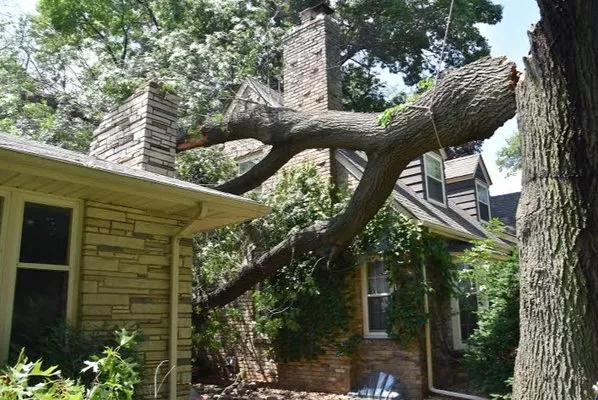
B & P Reliable Tree Service is a locally owned and operated tree care business serving Palmerton, PA, and surrounding communities like Allentown, Lehigh Valley, and the Poconos. With over a decade of ...
Question Answers
Can I reduce lawn maintenance while supporting local ecology?
Replacing high-maintenance turf with native plantings like common milkweed, New England aster, Joe-Pye weed, and little bluestem creates resilient landscapes requiring minimal intervention. These species thrive in Palmerton's USDA Zone 6b conditions without weekly mowing or gas-powered equipment, aligning with evolving noise ordinance considerations. Native plant communities support pollinator populations while reducing water and fertilizer inputs by 60-80% compared to traditional lawns.
Should I install irrigation with Palmerton's current water restrictions?
Palmerton operates under normal water status, making smart Wi-Fi soil moisture sensor controllers ideal for maintaining Kentucky bluegrass and tall fescue mixes. These systems calculate evapotranspiration rates to deliver precise irrigation only when soil moisture drops below optimal levels. This approach reduces water consumption by 30-50% compared to traditional timers while preserving turf health through dry periods. Municipal water limits remain manageable with proper sensor calibration and zone-specific programming.
How quickly can you respond to storm damage for HOA compliance?
Emergency cleanup dispatch originates from Palmerton Borough Park with routing via PA Route 248 to Downtown Palmerton properties. Our electric fleet operates within the 8:00 AM to 8:00 PM noise ordinance window, arriving within 20-30 minutes during peak storm conditions. This response time accommodates debris removal, branch trimming, and temporary erosion control measures to meet immediate safety and compliance requirements.
Why does my Downtown Palmerton lawn struggle despite regular care?
Palmerton's 1945-era homes have 81-year-old soil systems with acidic channery silt loam that has become compacted over decades. This soil type naturally tends to pH 5.5-6.5 but loses permeability as organic matter decomposes without replacement. Core aeration every 2-3 years combined with compost amendments addresses compaction while maintaining appropriate acidity for native plants. Soil testing through Penn State Extension confirms specific amendment needs before applying organic materials.
How do I manage invasive species without chemical overuse?
Japanese knotweed and garlic mustard present the highest invasive risks in Palmerton's disturbed soils. Mechanical removal during early growth stages prevents seed set without violating Pennsylvania Nutrient Management Act restrictions. Targeted organic herbicides applied during permitted windows control persistent infestations, while soil solarization with clear plastic manages annual weeds. Regular monitoring and immediate response prevent invasive establishment that would require more intensive remediation later.
Is Pennsylvania bluestone better than wood for patio construction?
Pennsylvania bluestone offers superior longevity with 50+ year lifespans versus wood's 10-15 year replacement cycle in Palmerton's climate. Its non-combustible nature contributes to defensible space requirements in moderate Wildland-Urban Interface zones, reducing fire spread potential. Bluestone's thermal mass moderates temperature extremes while its natural cleft surface provides slip resistance. Proper installation with permeable bases addresses drainage concerns while maintaining structural integrity through freeze-thaw cycles.
What permits and licenses are needed for landscape grading work?
Grading on Palmerton's typical 0.15-acre lots requires permits from the Borough Zoning & Planning Office when altering drainage patterns or moving more than 10 cubic yards of material. Contractors must hold Pennsylvania Attorney General Home Improvement Contractor registration with specific endorsements for excavation and erosion control. Professional licensing ensures compliance with sediment pollution regulations and proper implementation of engineered solutions for slope stability on constrained urban parcels.
What solutions address seasonal flooding in my yard?
Acidic channery silt loam in Palmerton exhibits moderate runoff issues due to seasonal high water tables and reduced permeability. Installing permeable Pennsylvania bluestone pathways and patios creates infiltration zones that meet borough zoning runoff standards. French drains with clean stone aggregate redirect subsurface water, while rain gardens planted with moisture-tolerant natives provide biological drainage. These combined approaches manage water movement without creating erosion hazards on sloped properties.
