Top Landscaping Services in North Huntingdon, PA, 15085 | Compare & Call
There are 188 landscaping companies server in North Huntingdon PA
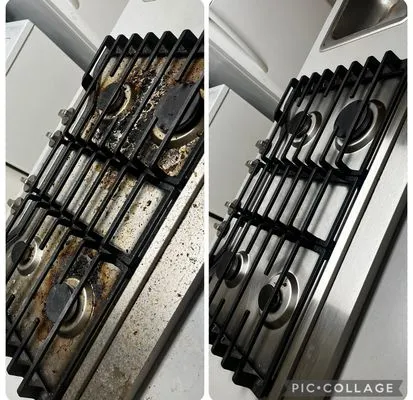
Detailed Duos Cleaning and Landscaping is a Pittsburgh-based business with over eight years of experience in transforming residential spaces. Founded by skilled handywomen and professional cleaners, w...
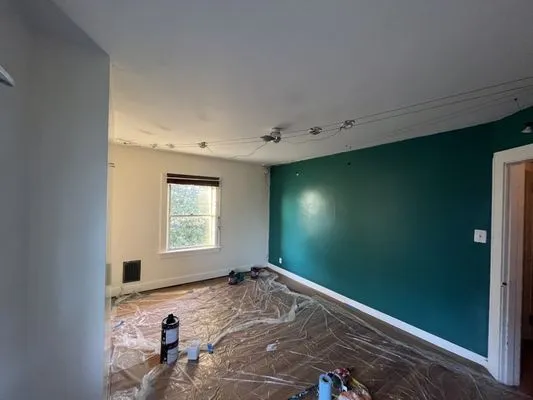
Jordan Oliver is a Crafton-based independent contractor offering skilled work in landscaping, drywall, and painting. Starting in the trade alongside his father while still in high school in 2015, Jord...
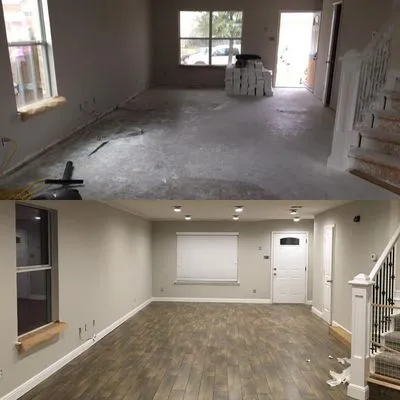
Rich Bakey’s Landscaping has been serving the McMurray, PA community for nearly 12 years, building a reputation for reliable, skilled work in landscaping, contracting, and painting. As a fully insured...
Benvenuti Landscaping and Reconstruction
Benvenuti Landscaping and Reconstruction is a full-service, locally owned and operated company serving Pittsburgh, PA. We partner directly with each homeowner to design and build custom landscapes tha...
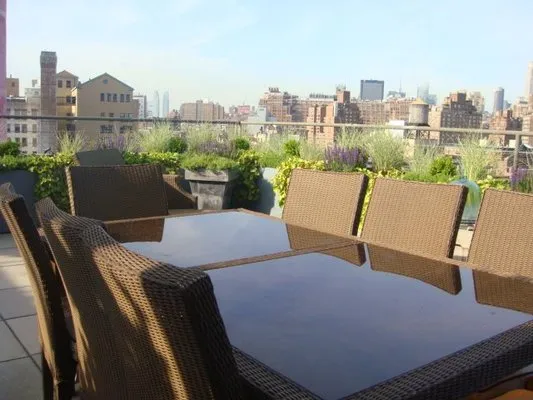
Urban Plantscapes brings professional landscaping expertise to Pittsburgh, building on nearly two decades of experience since its founding in Hoboken, NJ in 2005. Originally serving the NYC Metro area...
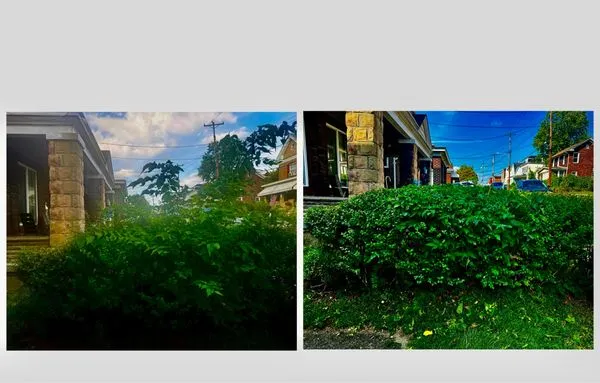
Lawn Goats is your trusted Pittsburgh lawn care expert, specializing in solving the common local issues of standing water and sprinkler leaks. Based right here in Western PA, we understand how our reg...
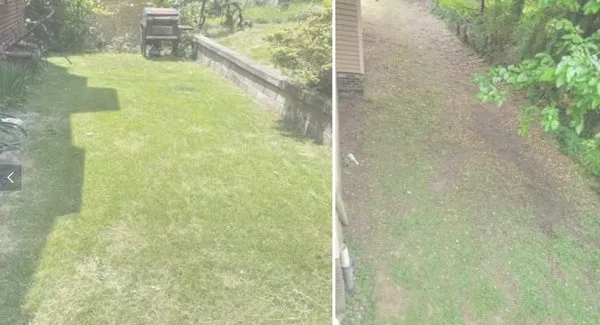
Supreme Care Unlimited is a Pittsburgh-based service provider dedicated to helping homeowners and businesses manage their property needs. We combine landscaping, junk removal, and moving services to o...
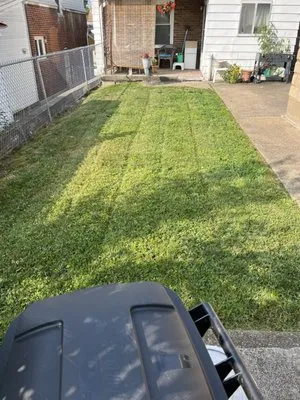
Centillion Landscaping is a Pittsburgh-based landscaping company dedicated to transforming and maintaining outdoor spaces across Western Pennsylvania. We specialize in comprehensive solutions that add...
Golden Standard is a Pittsburgh-based general contractor specializing in comprehensive home improvement and landscaping services. With expertise in masonry, concrete work, and landscape construction, ...
PVT Ryan's Landscaping is a veteran-owned and operated landscaping and home helping contractor proudly serving Butler and the surrounding areas. We provide comprehensive, reliable services for your pr...
Estimated Landscaping Service Costs in North Huntingdon, PA
Q&A
What permits and credentials should we verify before hiring for a grading project?
Any significant grading or earth-moving on a 0.35-acre lot requires a permit from the North Huntingdon Township Planning & Zoning Department. The contractor must hold a Home Improvement Contractor (HIC) registration from the Pennsylvania Attorney General's office. If the work involves applying any soil amendments or treatments, the applicator requires a license from the Pennsylvania Department of Agriculture. Verifying these credentials is non-negotiable for compliant project execution.
We need an emergency cleanup for HOA compliance this weekend. What's your fastest response?
Our dispatch from the North Huntingdon Town House prioritizes the Fairmont area. Using I-76 (Pennsylvania Turnpike) access, we can mobilize an electric fleet, compliant with the 7:00 AM start ordinance, for a 20-30 minute peak response. This allows for immediate debris removal, branch clearing, and turf remediation to meet neighborhood standards before a compliance deadline.
Are permeable pavers a better choice than wood for a new patio?
For longevity and ecological function, permeable concrete pavers are superior. Unlike wood, which decays and requires treatment, pavers offer a permanent, low-maintenance surface with excellent permeability for stormwater. In the context of a Moderate Fire Wise rating, pavers also provide a critical non-combustible, defensible space zone when installed within 5 feet of a structure, enhancing property resilience.
My yard in Fairmont seems to struggle. Could our soil history be the reason?
Properties in Fairmont, built around 1971, have soil over 55 years old. This acidic silt loam, with a pH of 5.5-6.5, is typically compacted from decades of standard maintenance. The clay-heavy subsoil impedes root growth and water percolation. Core aeration and amendments like composted leaf mold are required to rebuild soil structure and correct nutrient availability for healthy turf and planting beds.
What invasive species should we watch for, and how do we handle them safely?
Japanese knotweed and lesser celandine are primary alerts for North Huntingdon. Treatment requires precise timing; for example, herbicide applications for knotweed are most effective late in the growing season. Any nutrient or pesticide application must follow the Pennsylvania Fertilizer Act's management guidelines, including respecting seasonal blackout dates to protect watersheds. Manual removal for small infestations is often the initial, safest step.
We want to reduce mowing and gas equipment noise. What are our options?
Transitioning high-maintenance turf areas to a native plant community is a forward-looking strategy. Species like Eastern Redbud, Switchgrass, and Butterfly Weed are adapted to Zone 6b and acidic soils, requiring no fertilization and minimal watering once established. This xeriscaping approach significantly reduces weekly mowing, aligning with evolving noise ordinances that restrict gas-powered blowers and mowers.
Our yard collects water after every rain. What's a long-term solution?
High surface runoff is a direct result of clay-heavy subsoils beneath the acidic silt loam. Installing permeable concrete pavers for patios or walkways creates a managed infiltration zone. This system meets North Huntingdon Township runoff standards by reducing impervious surface area. For severe cases, integrating a French drain or dry creek bed with these pavers directs water away from foundations effectively.
How can we keep our Kentucky Bluegrass and Tall Fescue blend green responsibly?
Wi-Fi ET-based weather-sensing controllers are the operational standard. These systems use real-time evapotranspiration data to apply only the precise water volume lost to atmosphere and soil. This method preserves the turfgrass blend while operating well within municipal water limits, even during normal operations. It prevents overwatering, which exacerbates runoff issues common in our soil profile.
