Top Landscaping Services in North Franklin, PA, 15301 | Compare & Call
There are 184 landscaping companies server in North Franklin PA
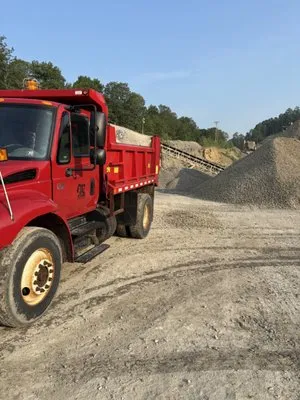
Jaz Land Development is a locally owned and operated company serving Washington, PA, and the surrounding areas. We specialize in a comprehensive range of excavation, landscaping, and fencing services ...

Matt's Landscaping is a trusted Washington, PA, landscaping, masonry, and excavation company founded by Matt in 2003. With over 12 years of dedicated service, we specialize in transforming outdoor spa...

Devs Climb N Cut is a family-owned and operated tree service and landscaping business rooted in Canonsburg, PA. Founded by a dedicated arborist and full-time father, the company is built on a passion ...

Grassmates Lawn Service is a trusted, locally-owned lawn care provider serving Burgettstown, PA, and the surrounding communities. We specialize in comprehensive lawn care services designed to keep you...
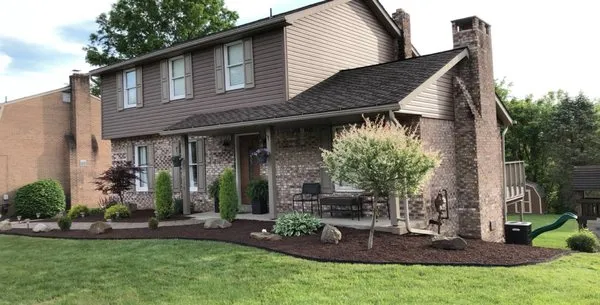
Lenharts Landscaping and Lawn Care is a trusted local lawn service provider in Monessen, PA, dedicated to helping homeowners achieve and maintain healthy, vibrant outdoor spaces. We specialize in comp...
GM Contracting
GM Contracting is a trusted local contractor with over 40 years of experience serving Washington, PA, and the Greater Pittsburgh Area, including communities like Bethel Park, Peters Township, Robinson...
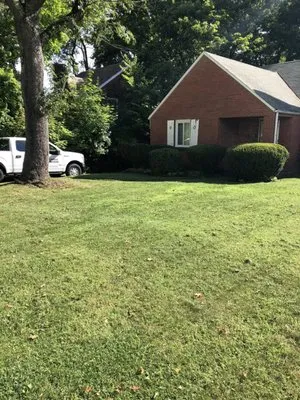
R6 Services is a comprehensive landscaping company serving homeowners and businesses in Eighty Four, PA. We specialize in a full range of services from landscape design and installation to ongoing mai...
SPI Landscaping & Lawn Maintenance
SPI Landscaping & Lawn Maintenance is a trusted provider serving Western Pennsylvania, West Virginia, and Ohio with comprehensive outdoor solutions. Based in Washington, PA, we specialize in both comm...

Plants Premier Landscaping is a family-owned and operated business serving Claysville, PA, and surrounding areas. Founded on the principle of doing everything with full commitment—""Whatever your hand...

Chop Chop is a trusted home services provider based in Claysville, PA, serving Washington County and surrounding communities since 2017. We specialize in three core areas: landscaping, handyman servic...
Estimated Landscaping Service Costs in North Franklin, PA
Q&A
What permits and licenses are needed for grading my 0.35-acre Franklin Terrace property?
Grading exceeding 100 cubic yards requires North Franklin Township Planning & Zoning permits with engineered drainage plans. Contractors must hold Pennsylvania Attorney General Home Improvement Contractor Registration for projects over $5,000. On 0.35-acre lots, professional licensing ensures proper slope calculations (minimum 2% grade away from structures) and erosion control measures during the 6-8 week implementation period.
What drainage solutions work for clay-heavy subsoil in North Franklin yards?
Moderate runoff issues stem from clay-heavy subsoil compaction beneath acidic silt loam. Permeable Pennsylvania Bluestone installations with ¼-inch joint spacing achieve 5-8 inches per hour infiltration rates, meeting township runoff standards. French drains should be installed 18-24 inches deep with washed gravel backfill, directing water away from foundations while preserving existing tree root zones.
Is Pennsylvania Bluestone better than wood for patios in North Franklin's climate?
Pennsylvania Bluestone offers 50+ year durability versus wood's 15-20 year lifespan in Zone 6b freeze-thaw cycles. Its non-combustible properties maintain Low Fire Wise ratings by creating defensible space around structures. Properly installed with polymeric sand joints, bluestone requires no sealing and develops natural patina, whereas wood demands annual treatment and becomes slippery when moist.
Can I reduce maintenance by replacing grass with native plants in Franklin Terrace?
Transitioning high-maintenance turf to Switchgrass and New England Aster stands reduces mowing frequency from weekly to twice annually. Native Joe Pye Weed and Eastern Redbud plantings support 2026 biodiversity standards while eliminating gas-powered equipment use ahead of noise ordinance expansions. These deep-rooted systems improve soil structure naturally, requiring only seasonal pruning rather than weekly maintenance.
Why does my Franklin Terrace lawn have drainage issues and poor grass growth?
North Franklin properties built around 1974 have 52-year-old soil systems where original topsoil has degraded. Ultisol acidic silt loam (pH 6.2) common in this neighborhood becomes compacted over decades, reducing permeability to 0.1 inches per hour. Core aeration with 3-4 inch depth and organic amendments like composted leaf mold address this compaction while maintaining appropriate acidity for native Eastern Redbud establishment.
How quickly can you respond to storm damage for HOA compliance in Franklin Terrace?
Emergency cleanup crews dispatch from Washington Mall via I-70 with 20-30 minute peak response times. Electric maintenance fleets operate within North Franklin's 9:00 PM to 7:00 AM noise ordinance restrictions. For fallen limbs exceeding 6-inch diameter, certified arborists coordinate with township planning for proper disposal, ensuring compliance within 48-hour HOA notification windows.
Should I install smart irrigation with current water restrictions in North Franklin?
Stage 0 water restrictions allow ET-based smart irrigation systems that reduce consumption 30-40% compared to traditional timers. Wi-Fi weather sensing adjusts Kentucky Bluegrass and Tall Fescue watering to actual evapotranspiration rates, typically 1-1.5 inches weekly during peak summer. These systems integrate municipal water alerts automatically, preventing violations while maintaining turf health through dormancy periods.
What invasive species threaten North Franklin landscapes and how should I treat them?
Japanese knotweed and tree-of-heaven pose significant risks in USDA Zone 6b, spreading through fragmented root systems. Treatment requires targeted glyphosate applications during active growth phases, avoiding Pennsylvania Nutrient Management Act blackout dates from November through March. Manual removal should precede chemical treatment, with all plant material bagged to prevent secondary contamination of compost systems.
