Top Landscaping Services in New Brighton, PA, 15066 | Compare & Call

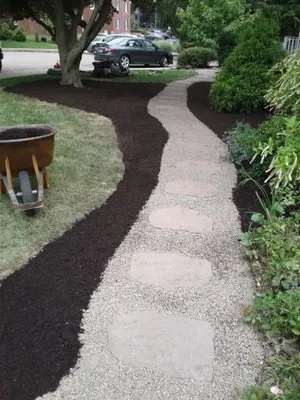
Chris Schoedel - Lawn Care & Landscaping
Chris Schoedel - Lawn Care & Landscaping is a locally owned and operated business serving New Brighton, PA, and surrounding areas like Cranberry Township and Butler County. With over 20 years of exper...

Big Rock Lawn & Landscaping
Big Rock Lawn & Landscaping is your trusted local partner for a healthy, beautiful yard in New Brighton and the surrounding areas. We understand the unique challenges homeowners face here, from persis...

Work Smart Whole Home Services is a trusted local provider in New Brighton, PA, offering comprehensive handyman and landscaping solutions for residential and commercial clients across Allegheny, Beave...
Fair's Lawncare is a trusted local lawn service provider in New Brighton, PA, dedicated to maintaining and enhancing residential and commercial landscapes. We specialize in comprehensive lawn care sol...
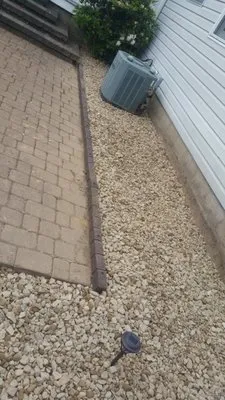
Ceranic's Lawn And Landscape
Ceranic's Lawn And Landscape is a locally owned and operated service in New Brighton, PA, dedicated to providing comprehensive outdoor care for both residential and commercial properties. We specializ...

Jim's Lawnservice And Landscaping
Jim's Lawnservice And Landscaping is a trusted local provider in New Brighton, PA, offering comprehensive solutions for snow removal, lawn services, and tree services. We specialize in addressing comm...

Flaherty's Landscaping is a trusted local landscaping company serving New Brighton, PA, and surrounding areas. We specialize in landscape maintenance and lawn care, helping homeowners tackle common lo...
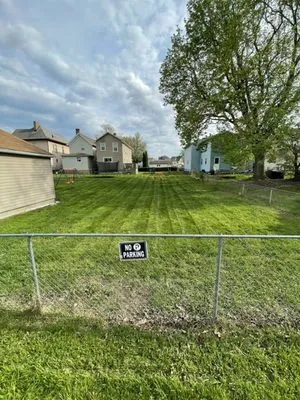
C & D Lawncare is a trusted local lawn service provider in New Brighton, PA, dedicated to keeping residential properties looking their best. We specialize in comprehensive lawn care solutions, includi...
Brenckles Lawncare is a locally owned and operated lawn service business in New Brighton, PA, founded by Charles Brenckle. We provide reliable and affordable lawn care solutions, including mowing, wee...
Sayre Don is a trusted landscaping business serving New Brighton, PA, and the surrounding areas. With deep roots in the community, we specialize in addressing the specific challenges local homeowners ...
Q&A
What permits and credentials are needed to regrade my backyard?
Regrading a 0.15-acre lot often requires a permit from the New Brighton Borough Zoning Department, especially if it alters water flow to adjacent properties. The contractor must hold appropriate licensing from the Pennsylvania Department of Agriculture for any soil stabilization or related work. This ensures the project meets structural and environmental standards, protecting you from liability due to improper water diversion or soil erosion.
Why does my soil in the Borough Center feel so compacted and drain poorly?
Homes built around 1938, common here, have had nearly 90 years of soil maturation. In New Brighton's acidic silt loam, this leads to severe compaction from routine foot traffic and past maintenance. The clay-heavy subsoil layer restricts water percolation, starving grass roots of oxygen. Core aeration in spring and fall, followed by incorporating compost, is essential to rebuild soil structure and improve permeability for healthy root zones.
My yard has persistent puddling after rain. What's a lasting fix that meets borough standards?
Moderate runoff is typical in areas with our acidic silt loam and dense clay subsoil. Installing a French drain system to redirect water is often necessary. For new patios or walkways, using permeable Pennsylvania Bluestone set in a gravel base significantly increases ground absorption. This approach helps manage onsite runoff, which the New Brighton Borough Zoning Department increasingly encourages in drainage reviews.
I want to reduce mowing and gas-powered noise. What are my options?
Transitioning high-maintenance turf areas to a native plant palette is a forward-looking strategy. Species like Eastern Redbud, Purple Coneflower, and Joe-Pye Weed are adapted to Zone 6b and require no weekly mowing or frequent gas-powered edging. This creates a resilient, low-input landscape that preemptively addresses potential future noise ordinance tightening on equipment while supporting local biodiversity.
Can you respond quickly for an emergency storm debris cleanup to avoid an HOA violation?
Yes. For properties in the Borough Center, our standard dispatch routes from our base near Townsend Park directly onto PA-65. This allows a peak response time of 20-30 minutes for urgent cleanup operations. We coordinate with the New Brighton Borough Zoning Department for any required right-of-way permits upon arrival, ensuring compliance while securing the property from immediate hazard.
Is Pennsylvania Bluestone a better choice than a wood deck for a new patio?
For longevity and low maintenance, Bluestone is superior. It is a non-combustible, permanent material with a lifespan measured in decades, unlike wood which requires regular sealing and replacement. In the context of Pennsylvania's low Fire Wise rating, using non-flammable hardscape materials like stone also contributes to defensible space in the wildland-urban interface without sacrificing aesthetic value.
What invasive species should I watch for, and how do I deal with them safely?
Japanese knotweed and garlic mustard are high-priority invasive alerts in this region. Treatment requires precise timing; for example, knotweed is best treated in late summer. Any herbicide application must be performed by a professional licensed by the Pennsylvania Department of Agriculture to ensure compliance with state fertilizer and pesticide ordinances, particularly the phosphorus restrictions that apply to managed turf areas.
How can I keep my Kentucky Bluegrass lawn green during summer without violating water rules?
Wi-Fi ET-based irrigation controllers are the solution for USDA Zone 6b. These systems use real-time weather data to apply only the precise water lost to evaporation and transpiration (ET), automatically adjusting for rain. This technology maintains turf health while adhering to voluntary conservation measures, often reducing water use by 20-30% compared to traditional timer-based systems.
