Top Landscaping Services in Nanty Glo, PA, 15943 | Compare & Call
There are 49 landscaping companies server in Nanty Glo PA

Green Haven was born right here in Vintondale, starting as a neighborhood project when I was just a kid. For years, I've been caring for lawns for my neighbors and family, learning the ins and outs of...
Laser Lawns is a trusted landscaping company serving Ernest, PA, dedicated to solving common local lawn challenges. Many homes in our area struggle with poor lawn grading and patchy grass, which can l...
Brian Gongloff's Lawn Care
Brian Gongloff's Lawn Care is a trusted local provider in Mineral Point, PA, specializing in comprehensive lawn and landscape solutions. With expertise in both landscape design and routine lawn care, ...
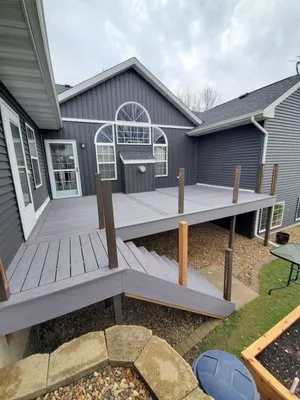
Founded by Travis, Beast Construction brings over a decade of specialized experience in both new landscape design and the restoration of older properties to DuBois and the surrounding region. What beg...
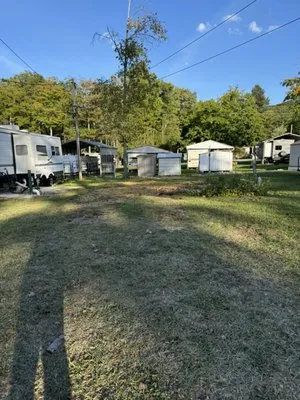
Grant’s Property Services LLC is a licensed and fully insured property maintenance company based in Fallentimber, PA, dedicated to helping local homeowners and businesses maintain their outdoor spaces...
Kahuna Lawn Care is a trusted lawn service provider serving Glen Campbell, PA, and the surrounding areas. We specialize in comprehensive lawn care solutions designed to address common local landscapin...
Grass Buster is a trusted local lawn care and snow removal service based in Nanty-Glo, PA, serving Cambria County with reliable, year-round property maintenance. We specialize in lawn mowing, hedge tr...

Devico Landscaping is a trusted local landscaping service in Johnstown, PA, specializing in lawn care and snow removal to keep outdoor spaces well-maintained year-round. We provide comprehensive lawn ...
MC Lawn Care is a trusted lawn service provider in Nanty-Glo, PA, dedicated to keeping local yards healthy and attractive. We specialize in comprehensive lawn care, including mowing, fertilization, an...
Estimated Landscaping Service Costs in Nanty Glo, PA
Frequently Asked Questions
What solutions address the high runoff and slope instability in my yard?
Acidic silty clay loam soils in Nanty Glo have low permeability, exacerbating runoff issues on sloped properties. Installing permeable Pennsylvania Bluestone pathways creates infiltration zones that meet Cambria County Planning Commission runoff standards. These hardscape elements, combined with French drains and rain gardens, redirect water flow while stabilizing slopes through improved subsurface drainage and reduced surface velocity.
What permits and licenses are needed for grading work on my quarter-acre lot?
Grading projects on 0.25-acre lots in Nanty Glo require Cambria County Planning Commission permits for erosion control and drainage modifications. Contractors must hold Pennsylvania Department of Agriculture pesticide/landscape licensing for soil stabilization treatments. This dual oversight ensures compliance with both local runoff standards and state-regulated nutrient management protocols, particularly important for properties with the slope instability common in this region.
Can smart irrigation systems maintain my lawn during dry periods without violating water restrictions?
Wi-Fi ET-based weather sensing irrigation calculates evapotranspiration rates specific to USDA Zone 6a conditions. This technology applies water only when soil moisture drops below optimal levels for Kentucky Bluegrass and Tall Fescue blends. With Nanty Glo currently under normal water operations, these systems typically reduce consumption by 30-40% compared to traditional timers while preserving turf health through precise application timing and duration.
Is Pennsylvania Bluestone better than wood for patio materials in fire-prone areas?
Pennsylvania Bluestone provides superior longevity and fire resistance compared to wood decking in moderate Wildland-Urban Interface zones. Its non-combustible nature creates defensible space while withstanding freeze-thaw cycles common in Zone 6a. This natural stone requires minimal maintenance and integrates with native plantings to create fire-adapted landscapes that meet evolving 2026 biodiversity standards for residential properties.
How quickly can you respond to an emergency storm cleanup for HOA compliance?
Emergency response from the Nanty Glo War Memorial area typically requires 45-60 minutes during peak conditions. Our route follows US-219 with electric maintenance equipment that complies with municipal quiet hours from 7:00 AM to 9:00 PM. This timing accommodates both immediate debris removal and systematic restoration of Kentucky Bluegrass and Tall Fescue blends damaged by slope instability events common in this region.
How can I reduce maintenance while preparing for future noise ordinance changes?
Replacing high-maintenance turf areas with native plantings like Eastern Redbud, Mountain Laurel, Purple Coneflower, and Switchgrass creates resilient landscapes. These species require minimal mowing and eliminate gas-powered blower use during municipal quiet hours. This transition toward electric maintenance fleets and xeriscaping principles reduces both acoustic pollution and weekly maintenance demands from May through September.
What invasive species should I watch for and how do I treat them safely?
Japanese knotweed and garlic mustard present significant risks in USDA Zone 6a with acidic soil conditions. Treatment requires careful timing outside PA Act 83 nutrient management blackout dates to prevent fertilizer runoff violations. Mechanical removal followed by targeted organic herbicides applied during active growth phases controls spread without disrupting soil microbiology or violating state-regulated application windows.
Why does my Nanty Glo Borough Center lawn have such poor drainage and compacted soil?
Properties in Nanty Glo Borough Center built around 1941 have soil that has matured for approximately 85 years. The acidic silty clay loam common in this area naturally compacts over decades, reducing permeability and creating drainage issues. Core aeration with organic amendments like composted leaf mold improves soil structure by increasing pore space for water movement. This treatment addresses the pH range of 5.5-6.2 while enhancing microbial activity in established landscapes.
