Top Landscaping Services in Monroeville, PA, 15140 | Compare & Call
There are 185 landscaping companies server in Monroeville PA

Grass Girl Lawn Care provides reliable and professional lawn services for Braddock homeowners. We understand the unique challenges local properties face, such as the frequent need for storm debris cle...
Woodring Landscape & Contractors Supplies is Pittsburgh's trusted source for professional-grade materials and expert advice. As a family-owned business serving the community, we understand the unique ...
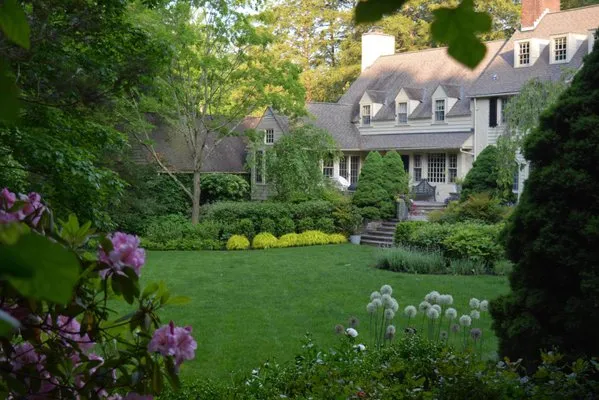
A R T Landscape & Construction
A R T Landscape & Construction is a family-owned and operated business serving Pittsburgh, founded in 2018 by a husband-and-wife team. With over 20 years of industry experience, the company was born f...
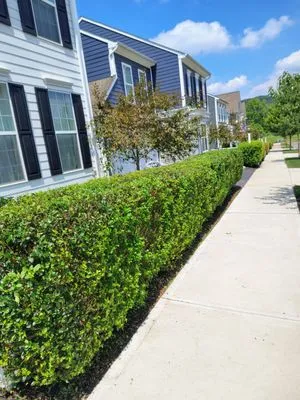
A1 Landscaping in Washington, PA, is a locally owned landscaping company founded by a team of professional landscapers who bring years of hands-on experience to every project. We specialize in compreh...
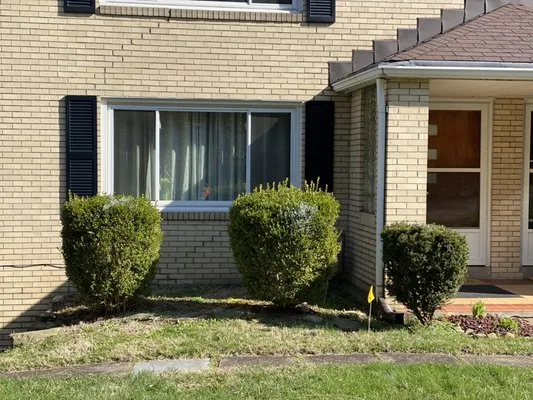
Founded by experienced professionals in White Oak, PA, A&J Landscaping combines over three years of individual expertise to deliver reliable outdoor solutions. Since forming in late summer, they've bu...
Kinney Landscaping is a licensed landscaping company serving Turtle Creek, PA, and the surrounding areas since 2003. With over two decades of experience, we specialize in transforming outdoor spaces t...
Verrico Landscape is a Pittsburgh-based landscaping company dedicated to tackling the area's most common lawn challenges, including persistent weed infestation and soil compaction. We understand the l...
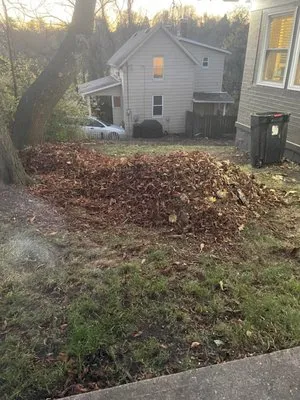
Grass Life & More is a Pittsburgh-based lawn care service dedicated to keeping local yards healthy and vibrant. We specialize in comprehensive lawn care solutions that directly address common Pittsbur...
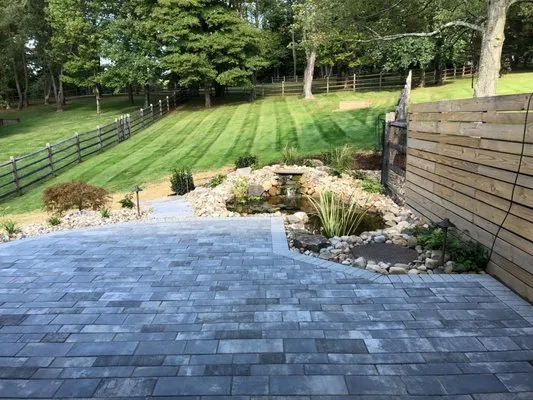
Blue Fox Landscape Design, founded in Gibsonia in 1996, transforms local properties with horticultural expertise. Led by Penn State graduate Ray Saber, the team designs and builds custom patios, outdo...
Johnson Mrn Landscaping is a trusted local landscaping company serving Monroeville, PA, and surrounding areas. We specialize in addressing common landscaping challenges faced by homeowners in our comm...
Estimated Landscaping Service Costs in Monroeville, PA
FAQs
Should I consider replacing some lawn with native plants?
Transitioning high-maintenance turf areas to native plantings like eastern redbud, wild bergamot, and switchgrass reduces mowing frequency and gas-powered equipment use. This approach aligns with evolving noise ordinance trends while supporting local pollinators and requiring 70% less water once established. Native plant communities develop deeper root systems that improve soil structure and resilience to climate variability in USDA Zone 6b.
What permits and licenses are needed for landscape renovations?
Grading work on Monroeville's typical 0.35-acre lots requires erosion control permits from the Municipal Building & Planning Department. Contractors must hold Pennsylvania Department of Agriculture pesticide applicator certification for any chemical applications. These regulations ensure proper water management and environmental protection. Professional licensing verifies competency in soil science and sustainable practices that maintain neighborhood ecosystem health.
Is Pennsylvania bluestone worth the investment over wood decking?
Pennsylvania bluestone offers superior longevity with minimal maintenance compared to wood alternatives that require regular sealing and replacement. Its non-combustible properties contribute to defensible space in Monroeville's moderate Firewise rating zones. When installed with proper base preparation, bluestone patios and walkways provide stable surfaces that resist frost heave and drainage issues common in clay soils.
Can smart irrigation systems really save water in Monroeville?
Wi-Fi weather-based controllers use evapotranspiration (ET) data to adjust watering schedules dynamically, reducing Kentucky bluegrass and tall fescue irrigation by 20-30% compared to traditional timers. These systems account for rainfall, temperature, and humidity while maintaining turf health within Monroeville's voluntary conservation framework. Proper programming prevents overwatering clay-heavy soils that would otherwise contribute to runoff issues.
How quickly can you respond to storm damage for HOA compliance?
Emergency cleanup crews dispatch from the Monroeville Convention Center area via I-376 (Parkway East) to reach Miracle Mile properties within 20-30 minutes during peak conditions. This routing avoids typical congestion points while allowing for equipment transport. We prioritize safety assessments and debris removal to meet municipal and HOA requirements for public right-of-way clearance following severe weather events.
Why does my Miracle Mile lawn struggle despite regular care?
Monroeville's 1968-era homes have 58-year-old soil profiles where acidic silty clay loam has become compacted over decades. This soil type naturally restricts root growth and water infiltration in established neighborhoods like Miracle Mile. Core aeration with organic compost amendments improves soil structure by increasing permeability and microbial activity. Without this intervention, turfgrass roots remain shallow and vulnerable to summer drought stress.
How do I manage invasive species without chemical overuse?
Japanese knotweed and garlic mustard pose significant threats in Monroeville's disturbed soils. Mechanical removal combined with targeted organic herbicides applied during active growth phases provides effective control. These methods comply with Pennsylvania's phosphorus restrictions and avoid broad-spectrum chemicals that harm soil microbiology. Proper disposal prevents reinfestation while maintaining ecological balance in residential landscapes.
What solutions work for yards with persistent water pooling?
Moderate runoff in Monroeville's clay-heavy soils requires integrated drainage strategies. Installing permeable concrete pavers or Pennsylvania bluestone with gravel bases increases surface infiltration rates. Subsurface French drains connected to rain gardens redirect water away from foundations while meeting municipal runoff standards. These approaches address compaction issues without requiring extensive regrading of existing landscapes.
