Top Landscaping Services in Mill Hall, PA, 17751 | Compare & Call
There are 65 landscaping companies server in Mill Hall PA
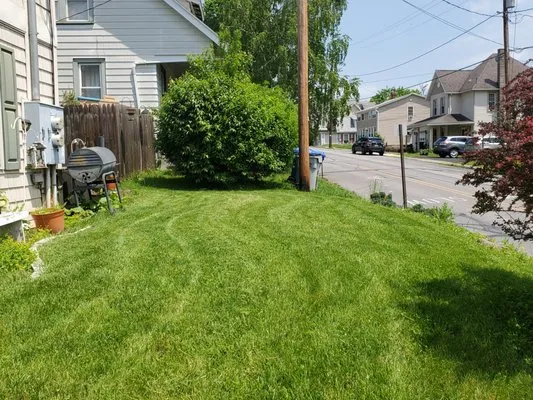
Founded on a lifelong passion for lawn care and property upkeep, Cutting Edge Service brings a dedicated, local touch to Farrandsville. Owner-operated and backed by a skilled crew, we combine hands-on...
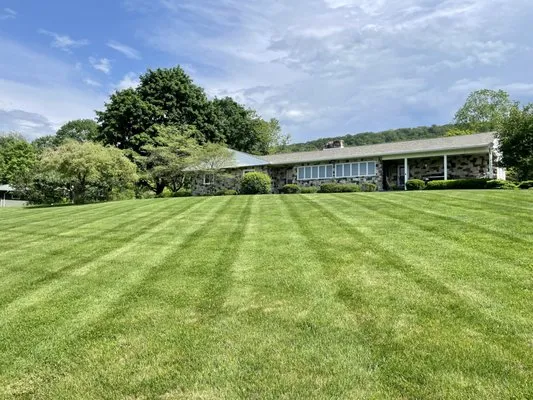
Barr's Lawn Care is your trusted, locally-owned lawn service provider in Tyrone, PA, dedicated to keeping your property looking its best through every season. We understand the specific challenges Tyr...
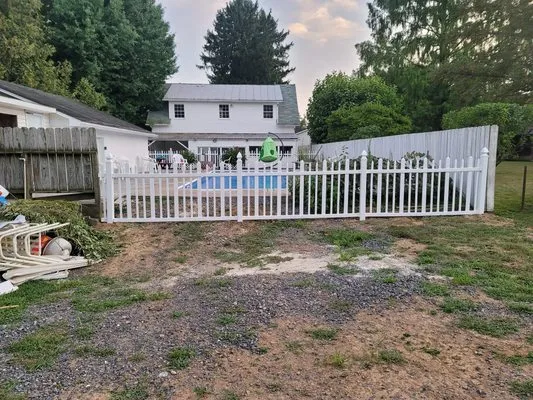
Klines Property Maintenance is a trusted Mount Union, PA-based company offering comprehensive property care solutions including lawn services, general contracting, and snow removal. Serving the local ...
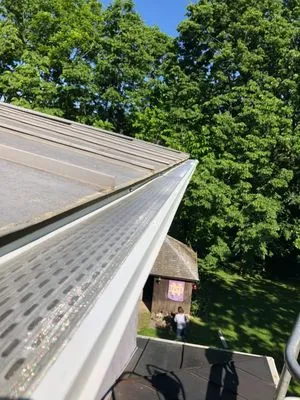
Phoenix Lawn and Gutter is a trusted local provider in Clearfield, PA, specializing in comprehensive lawn and gutter services. We help Clearfield homeowners maintain healthy, beautiful outdoor spaces ...

SpringGreen has been a trusted lawn care provider in Williamsport, PA for over 45 years, offering specialized services to maintain healthy, attractive outdoor spaces. As a local business deeply embedd...
D&J Lawncare & Snow Removal
Since 2009, D&J Lawncare & Snow Removal has been a trusted provider for homeowners and businesses across Williamsport and Lycoming County. Our approach is straightforward: we treat every job, big or s...
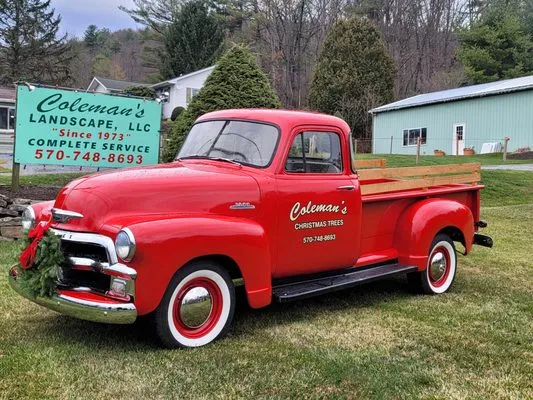
Coleman's Landscape has been serving the Lock Haven community since 1973, providing reliable landscaping and construction services for both residential and commercial properties. As a fully insured an...
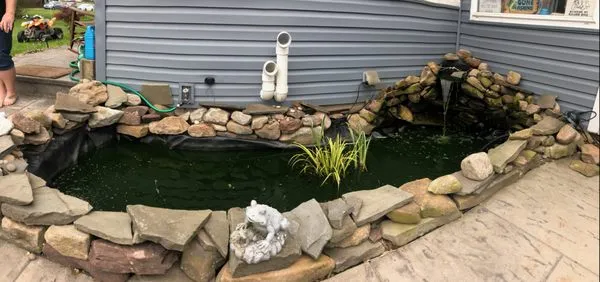
Green Element Design
Green Element Design is a family-owned landscaping company serving Cogan Station and the greater Williamsport area. We specialize in a design-build approach, transforming residential outdoor spaces in...
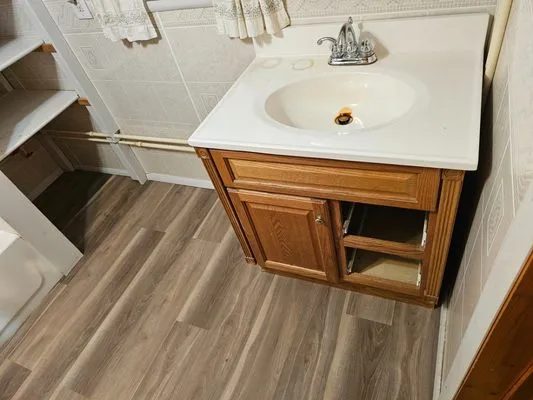
Bill's Fix It All Service is your Renovo-based, reliable partner for home and property maintenance. We provide comprehensive repair solutions, from fixing a leaky faucet or installing a new appliance ...
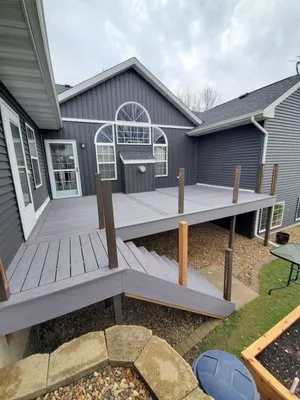
Founded by Travis, Beast Construction brings over a decade of specialized experience in both new landscape design and the restoration of older properties to DuBois and the surrounding region. What beg...
Estimated Landscaping Service Costs in Mill Hall, PA
Frequently Asked Questions
What permits and licenses are needed for grading my 0.25-acre lot?
Grading projects exceeding 100 square feet require a permit from Mill Hall Borough Zoning Office to ensure proper drainage and erosion control. Contractors must hold Pennsylvania Department of Agriculture pesticide applicator certification if treating vegetation during the process. For significant earth moving, professional engineering may be necessary to prevent downstream impacts in the Bald Eagle Creek basin. Licensed professionals understand state nutrient management regulations and local zoning requirements, protecting homeowners from violations that could result in fines or required restoration work.
How do I handle invasive species without harming my garden?
Japanese knotweed and garlic mustard pose significant threats in Mill Hall, spreading rapidly through root systems and seed dispersal. Manual removal before seed set combined with targeted spot treatments using EPA-approved herbicides minimizes chemical use. Timing applications outside of Pennsylvania Act 83 blackout dates prevents nutrient runoff into Bald Eagle Creek. Regular monitoring catches new invasions early, when mechanical control remains effective without violating fertilizer ordinances. Proper disposal of plant material prevents reestablishment from root fragments.
How quickly can you respond to storm damage for HOA compliance?
Emergency cleanup crews dispatch from Mill Hall Community Park, taking I-80 to reach Borough Center properties within 20-30 minutes during peak conditions. This response time accounts for debris removal, branch trimming, and turf restoration to meet neighborhood standards. Crews prioritize safety hazards like downed limbs near structures before addressing cosmetic damage. All equipment operates within standard noise ordinance hours of 7:00 AM to 9:00 PM for immediate post-storm work.
Is Pennsylvania Bluestone better than wood for patios?
Pennsylvania Bluestone offers superior longevity with minimal maintenance compared to wood, which requires regular sealing and replacement in our climate. The stone's natural thermal mass moderates temperature extremes, reducing heat island effects in urban settings. For properties with low fire-wise ratings in urban-suburban interfaces, bluestone provides non-combustible defensible space around structures. Its permeability allows proper drainage while withstanding freeze-thaw cycles common in USDA Zone 6a, making it a durable choice that complements Mill Hall's architectural character.
Will smart irrigation keep my lawn healthy during dry spells?
Smart Wi-Fi soil moisture sensor controllers maintain turf health by applying water only when needed, typically reducing usage by 30-50% compared to traditional timers. These systems measure actual soil conditions rather than following fixed schedules, preventing overwatering that leads to shallow roots and disease. During normal water restriction periods, controllers automatically adjust to municipal guidelines while preserving Kentucky Bluegrass and Tall Fescue mixes. Properly programmed sensors help lawns survive temporary dry conditions without violating water conservation principles.
What solutions prevent seasonal flooding in my yard?
Moderate flooding in the Bald Eagle Creek basin requires addressing acidic silty loam's slow permeability. Installing French drains with gravel beds redirects surface water away from foundations, while rain gardens with native plants absorb excess moisture. Permeable Pennsylvania Bluestone patios allow water infiltration rather than runoff, meeting Mill Hall Borough Zoning Office standards for stormwater management. These approaches combine to reduce pooling during heavy rains while improving overall soil drainage capacity over time.
Why does my Mill Hall Borough Center lawn struggle despite regular care?
Mill Hall lots built around 1958 have acidic silty loam soil that has matured for 68 years, developing compaction layers from decades of foot traffic and equipment use. This soil type naturally tends to become dense, reducing oxygen availability to grass roots and limiting water infiltration. Core aeration every 2-3 years breaks up compaction, while adding organic compost adjusts pH toward neutral and improves soil structure. Without these interventions, Kentucky Bluegrass and Tall Fescue mixes cannot establish deep root systems needed for drought resilience.
Should I replace parts of my lawn with native plants?
Transitioning high-maintenance turf areas to native Eastern Redbud, Switchgrass, Purple Coneflower, Wild Bergamot, and Butterfly Milkweed reduces water needs by 75% while supporting local pollinators. This approach aligns with evolving noise ordinances that may restrict gas-powered blowers, as native plantings require less frequent maintenance. Established native landscapes provide year-round visual interest with minimal inputs, creating habitat corridors that enhance neighborhood biodiversity. The conversion also reduces fertilizer requirements under Pennsylvania's Nutrient Management Act.
