Top Landscaping Services in Middle Paxton, PA, 17018 | Compare & Call
There are 179 landscaping companies server in Middle Paxton PA

Gretna Valley Landscape is a family-owned landscaping business serving Manheim, PA, and surrounding areas since 2016. Founded by Michael A. Whorley Jr., who brings over 20 years of industry experience...
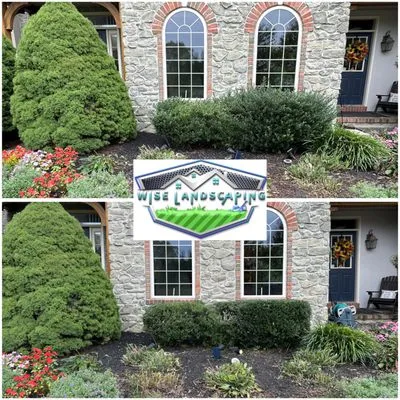
Wise Landscaping is your trusted local partner for transforming outdoor spaces in Elizabethtown, PA. We provide comprehensive landscaping, hardscaping, and property maintenance services to enhance you...
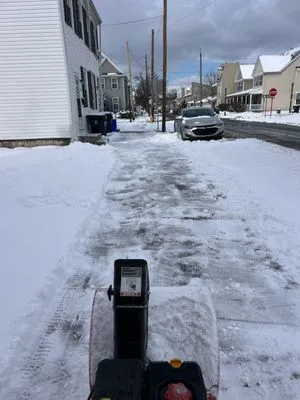
Blue Mountain Services in Lewisberry, PA, is a locally owned and operated property maintenance company with over 15 years of experience serving South Central Pennsylvania and beyond. Founded by Daniel...
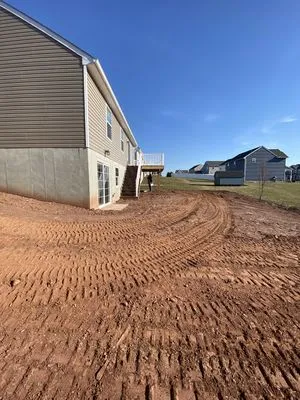
HSK Services is a Dillsburg-based landscaping and design company dedicated to transforming outdoor spaces into functional, beautiful extensions of your home. We specialize in comprehensive landscape c...
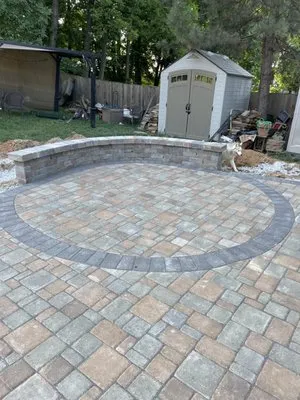
X Landscaping is a full-service landscaping company serving Littlestown, PA, specializing in comprehensive outdoor solutions. We offer everything from landscape design and construction to irrigation s...

Stanchick's Tree & Landscaping Services is a family-owned business serving Catawissa, Pennsylvania, and the surrounding communities. We specialize in comprehensive tree care, landscaping, and snow rem...
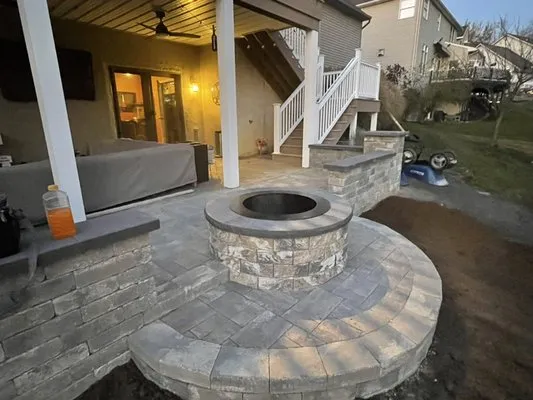
Work Of Art Landscape is a trusted landscaping company based in Palmyra, PA, with over 20 years of experience serving Harrisburg and Lebanon counties. We specialize in a comprehensive range of service...
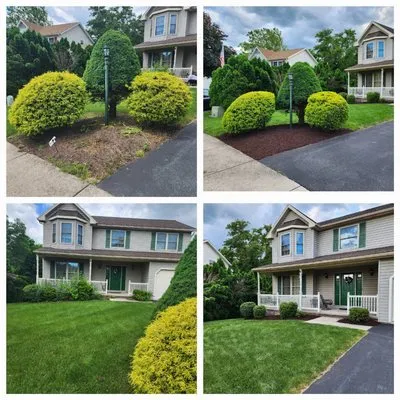
Royal's Lawn Care LLC is a Harrisburg-based lawn service provider dedicated to maintaining and enhancing outdoor spaces for homeowners and businesses throughout Central Pennsylvania. With a focus on p...
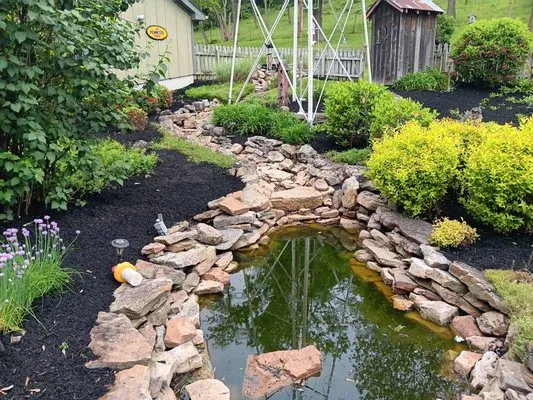
Shull's Landscaping is your local Landisburg expert for creating and maintaining beautiful, functional outdoor spaces. We specialize in professional landscape construction and greenscape installation,...
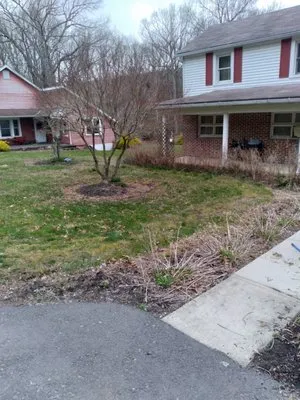
RudeCat's Landscaping is a trusted, locally-owned lawn and gutter service provider dedicated to keeping Tower City properties healthy and well-maintained. We specialize in addressing the specific chal...
Estimated Landscaping Service Costs in Middle Paxton, PA
Questions and Answers
Our backyard slope is often saturated and unstable. What hardscape solution can improve drainage and meet township standards?
Saturated slopes in this area result from the low permeability of channery silt loam over compacted subsoil. A permeable patio system using Pennsylvania Bluestone set on an open-graded aggregate base creates a stable surface that manages runoff. This system allows water to infiltrate directly through the joints, reducing surface flow and hydrostatic pressure against the slope. The Middle Paxton Township Zoning and Planning Office typically views such permeable designs favorably, as they align with modern stormwater management objectives to reduce erosion and instability.
We're considering a new patio. Is Pennsylvania Bluestone a better long-term choice than a wooden deck for our area?
Pennsylvania Bluestone offers superior longevity and requires far less maintenance than wood, which is subject to rot, insect damage, and frequent sealing. Its non-combustible nature is a critical asset for properties in Moderate Wildland-Urban Interface (WUI) Zone 2, where creating defensible space is a component of Firewise compliance. A properly installed bluestone terrace provides a permanent, fire-resistant zone adjacent to the home. Over decades, its lifecycle cost and embodied carbon are typically lower than that of replacing composite or wood decking multiple times.
We need significant grading and drainage work on our 0.75-acre lot. What permits and contractor qualifications are required?
Grading that alters water flow or involves significant earth moving on a lot of this size typically requires a permit from the Middle Paxton Township Zoning and Planning Office. The contractor must hold appropriate licensing, often through the Pennsylvania Department of Agriculture for pesticide application if herbicides are used in clearing, and may need additional classifications for earthwork. It is crucial to verify that they carry insurance for property damage and that their work plan adheres to local sediment control and stormwater management regulations to prevent off-site impacts.
We want a green lawn but also want to be responsible with water. What's the best system for our Kentucky Bluegrass blend?
Smart soil-moisture sensor controllers are the definitive solution for balancing turf health with conservation. These systems irrigate based on actual evapotranspiration (ET) and root-zone moisture levels, not a preset timer. They automatically adjust for rainfall, humidity, and soil type, preventing overwatering. For the acidic silt loam here, this technology prevents runoff and deep percolation losses. It maintains the Kentucky Bluegrass and Tall Fescue blend within municipal guidelines while using significantly less water than conventional schedules.
I'm tired of weekly mowing and gas equipment noise. Is there a lower-maintenance, quieter landscape alternative?
Transitioning high-maintenance turf to a landscape anchored by native plants like Eastern Redbud, Switchgrass, Butterfly Milkweed, and New England Aster is a forward-looking solution. This xeriscape approach drastically reduces mowing, eliminates fertilizer needs, and provides superior habitat. It also future-proofs your property against evolving noise ordinances targeting gas-powered blowers and mowers. An electric maintenance fleet, necessary for quiet hours compliance, is perfectly suited for the light pruning and upkeep these plant communities require.
My yard in Fishing Creek Valley feels spongy and drains poorly. Is this typical for homes built around 1978?
Yes, this is a common profile for developed lots of that era. Properties built in the late 1970s now have nearly 50-year-old soils, which are heavily compacted from construction and decades of foot traffic. The native acidic channery silt loam naturally tends toward poor permeability. Over time, this compaction has degraded soil structure, reducing pore space for air and water movement. Core aeration and the addition of organic compost are necessary to rebuild soil biology and restore proper drainage.
What invasive species should I watch for, and how do I treat them without harming the local creek?
In Fishing Creek Valley, primary invasive threats include Japanese Knotweed, Tree-of-Heaven, and Mile-a-Minute Vine. Treatment must be precise to avoid violating Chesapeake Bay Watershed Nutrient Management Regulations, which strictly govern herbicide and fertilizer use near waterways. Manual removal for small infestations or targeted, professional-grade herbicide applications during specific growth stages are effective. All treatments must avoid the fertilizer application blackout dates and prevent runoff into the Stony Creek watershed, requiring a licensed applicator for safety and compliance.
A storm brought down several large limbs. How fast can a crew get here for emergency cleanup to meet HOA compliance deadlines?
Our standard dispatch for emergency tree work routes a crew from the Stony Creek Ravine staging area via US-22/322. Accounting for peak traffic conditions common in the corridor, we project a 45 to 60-minute arrival window to Fishing Creek Valley. This allows for safe transport of necessary equipment and arborists. Upon arrival, the team can immediately begin hazard assessment and debris processing to clear the property and mitigate any immediate safety risks or compliance notices.
