Top Landscaping Services in Maple Glen, PA, 19002 | Compare & Call

Passionate About Landscaping
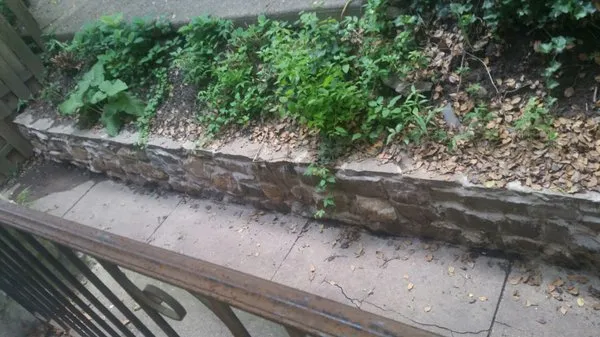
Passionate About Landscaping is your trusted Maple Glen partner for enhancing outdoor living. We specialize in comprehensive landscape design, construction, and maintenance, with a deep understanding ...

Tim Rogers Landscape is a trusted, locally-owned landscaping company serving Maple Glen, PA, and the surrounding communities. We specialize in addressing the common local landscaping challenges homeow...
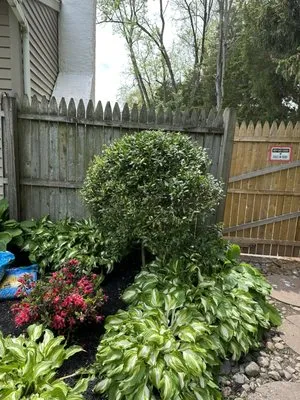
UD Landscaping is a locally-owned and operated business in Maple Glen, built on the principles of integrity and hard work. As a team of four dedicated high school students, we bring a fresh perspectiv...
Common Questions
What invasive species should I watch for, and how do I remove them safely?
Vigilance is required for invasive plants like Japanese Stiltgrass, Mile-a-Minute Vine, and Tree-of-Heaven. Manual removal for young plants is often effective. For established infestations, targeted herbicide application by a Pennsylvania Department of Agriculture-licensed professional is necessary. All treatments must comply with the PA Nutrient Management Act, which restricts phosphorus near waterways and mandates specific application windows.
Are permeable pavers a better choice than a traditional wood deck?
For longevity and low maintenance in our climate, Permeable Concrete Pavers are superior. Unlike wood, which requires sealing and can rot, pavers offer a permanent, stable surface with excellent drainage. They also contribute to a property's defensible space, an asset even in Maple Glen's Low Fire Wise Rating zone, by creating a non-combustible barrier and reducing flammable vegetation immediately around the home.
Why does my soil seem compacted and lifeless compared to newer neighborhoods?
Properties in Maple Glen Core were typically built around 1982, giving the soil a 44-year maturation period. The dominant Glenelg-Manor Channery Silt Loam naturally compacts over time, especially with clay-heavy subsoils. This reduces permeability and root penetration. A core aeration program, coupled with organic amendments like compost, is necessary to rebuild soil structure and correct the naturally acidic pH range of 5.5 to 6.5.
What permits and credentials are needed to regrade my backyard?
Regrading a 0.45-acre lot in Upper Dublin Township typically requires an Erosion and Sediment Control permit from the Code Enforcement office. The work must be performed by or under the direct supervision of a contractor licensed by the Pennsylvania Department of Agriculture for pesticide application if soil amendments are involved. This ensures compliance with state nutrient management laws and proper handling of any soil-borne issues.
My yard floods after heavy rain. What's a long-term solution that meets township code?
Moderate runoff is common here due to the clay-heavy subsoil in Glenelg-Manor soil types, which has low percolation rates. The most effective strategy integrates subsurface drainage with surface solutions. Replacing impermeable surfaces with Permeable Concrete Pavers for patios or walkways significantly reduces runoff volume. This approach aligns with Upper Dublin Township Code Enforcement standards for managing on-site stormwater.
How quickly can a crew respond for an emergency cleanup after a major storm?
For urgent situations like downed trees or HOA compliance deadlines, dispatch from a central location near Maple Glen Elementary School allows for efficient routing. Using PA Route 309, a crew can typically reach most Maple Glen Core addresses within a 25 to 35 minute window during peak traffic. This response time accounts for the township's current noise ordinance, which restricts work hours to between 8:00 AM and 8:00 PM.
How can I keep my Tall Fescue lawn healthy during a dry summer without violating water rules?
Maple Glen is under a Stage 0 Voluntary Conservation status, making efficient water use critical. Wi-Fi ET-based Weather Sensing Controllers are the standard solution. These devices adjust irrigation schedules daily based on real-time evapotranspiration data, applying water only when the lawn needs it. This technology maintains turf health while ensuring water use stays well within municipal guidelines, even during peak demand.
I'm tired of weekly mowing and gas-powered equipment. What are my options?
Reducing high-input turf areas is a forward-looking strategy. Replacing sections with a native plant community using Eastern Redbud, Switchgrass, Purple Coneflower, and Wild Bergamot creates a low-maintenance, biodiverse landscape. This transition minimizes mowing, eliminates gas-blower use ahead of tightening noise ordinances, and supports local pollinators, aligning with 2026 biodiversity and ecological health targets.
