Top Landscaping Services in Lycoming Township, PA, 17744 | Compare & Call
There are 100 landscaping companies server in Lycoming Township PA
D&J Lawncare & Snow Removal
Since 2009, D&J Lawncare & Snow Removal has been a trusted provider for homeowners and businesses across Williamsport and Lycoming County. Our approach is straightforward: we treat every job, big or s...
BMB Lawn Care & More is a trusted lawn service provider serving Montoursville, PA, and surrounding areas. We specialize in comprehensive lawn care solutions designed to address common local landscapin...

Since 1997, Shaylor's Ponds & Patios has been a dedicated part of the Williamsport community, driven by a genuine passion for the green industry. We are a full-service landscaping company that truly l...
D & H Quality Business is a trusted, locally-owned company in Williamsport, PA, specializing in landscaping, roofing, and pressure washing services. For Williamsport homeowners dealing with common loc...
Central PA Landscape Products is your trusted local supplier in Williamsport, PA, dedicated to helping homeowners and contractors tackle common landscaping challenges in our region. We specialize in p...

Robert's Landscaping is a locally owned and operated business serving Cogan Station, PA, with deep roots in the Williamsport area. After gaining five years of hands-on experience with a local landscap...
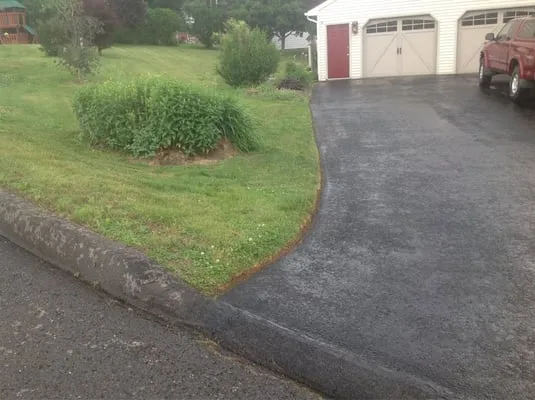
Blue & Gold Lawn Care is a trusted local landscaping company serving Montgomery, PA, and the surrounding areas. We specialize in diagnosing and treating common lawn problems that plague homeowners in ...
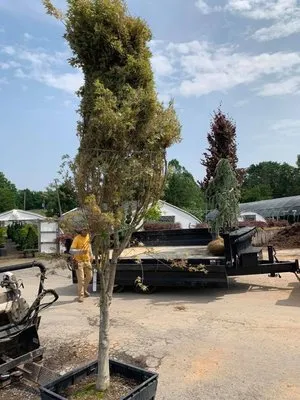
Impact Management Landscaping
Impact Management Landscaping is a Northumberland-based, full-service contractor specializing in landscaping, construction, and property management. We understand the unique challenges local propertie...
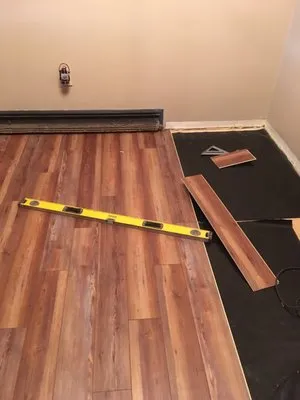
Gordner Construction is a trusted local contractor in Montoursville, PA, with 25 years of experience in the construction industry. For the past three years, owner-operated, the business has built a st...

Fredericks 4 Seasons is a locally owned and operated lawn care service based in Williamsport, PA, dedicated to helping homeowners maintain and enhance their outdoor spaces. We specialize in comprehens...
Estimated Landscaping Service Costs in Lycoming Township, PA
Questions and Answers
I want to reduce mowing and gas equipment noise. What are my options?
Transitioning high-maintenance turf areas to a native plant palette is a strategic solution. Species like Eastern Redbud, Switchgrass, Purple Coneflower, and Swamp Milkweed are adapted to Zone 6a/6b and require no mowing, minimal water, and support local biodiversity. This shift aligns with evolving noise ordinances restricting gas-powered equipment and supports the township's Wildland-Urban Interface (WUI) management goals.
A storm just knocked down branches everywhere. How fast can a crew get here for an emergency cleanup?
Our dispatch prioritizes emergency calls. A crew would mobilize from the Lycoming Township Municipal Building, proceed via US-15, and typically arrive within the 20-30 minute peak storm response window. We coordinate with township officials for road clearance if needed. The goal is to secure the property and clear hazards to restore safety and access as quickly as possible.
My yard gets soggy spots every spring. What's a long-term solution for this property?
The moderate runoff and seasonal high water table on acidic silty loam soils require engineered drainage. Solutions include installing French drains or dry wells to intercept subsurface water. For new hardscapes, using permeable base materials beneath Pennsylvania Bluestone allows water to infiltrate, reducing surface runoff. These systems must be designed to meet Lycoming Township Zoning & Code Enforcement standards for stormwater management.
How can I keep my Kentucky Bluegrass healthy if water restrictions are enacted later this summer?
Proactive irrigation management is key. Using smart Wi-Fi soil moisture sensor controllers prevents overwatering by applying water only when the root zone needs it, based on real-time evapotranspiration (ET) data. This practice deepens root systems, making the turf blend more drought-resilient. Even under Stage 0, this technology optimizes water use, ensuring the lawn is prepared for potential restrictions while conserving municipal water resources.
My lawn soil feels dense and drains poorly. Is this typical for Lycoming Township homes from the 1970s?
Yes, this is a common issue. Homes built around the 1974 average have had over 50 years of soil compaction from construction and maintenance. The predominant acidic silty loam in the Lycoming Township Residential Corridor naturally becomes denser over time, reducing permeability. This compaction restricts root growth and water percolation. Core aeration and incorporating organic compost are necessary to restore soil structure and function.
What do I need to know before hiring someone to regrade my half-acre lot?
Significant earthmoving on a 0.50-acre property typically requires a permit from Lycoming Township Zoning & Code Enforcement. In Pennsylvania, contractors performing this work must be licensed by the Pennsylvania Department of Agriculture if applying pesticides or fertilizers. It is crucial to verify this licensing, as improper grading can create drainage liabilities for your and neighboring properties, leading to code violations.
Is Pennsylvania Bluestone a better choice than a wooden deck for a new patio?
Pennsylvania Bluestone offers superior longevity and lower lifetime maintenance compared to wood. Its non-combustible nature is a critical advantage in Lycoming Township's Moderate Fire Wise rating zone, contributing to defensible space. A properly installed bluestone patio, with a permeable gravel base, also addresses drainage concerns and provides a permanent, stable surface that integrates well with the local landscape character.
I see a lot of Japanese Stiltgrass and Garlic Mustard. How do I control these safely?
Japanese Stiltgrass and Garlic Mustard are prevalent invasive species here. Manual removal before seed set is most effective for small areas. For larger infestations, targeted herbicide application by a licensed professional is often necessary, timed precisely to avoid violating blackout dates under the PA Nutrient Management Act. A long-term strategy includes establishing dense native plantings to outcompete future invasions.
