Top Landscaping Services in Lower Tyrone Township, PA, 15428 | Compare & Call
There are 191 landscaping companies server in Lower Tyrone Township PA
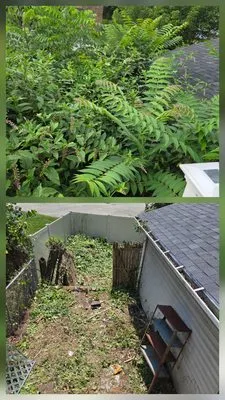
Lawn Rescue is a firefighter-owned lawn care business based in McDonald, PA, built on a foundation of trust and community commitment. We bring the same dedication and precision from emergency service ...
Luciani Landscaping & Home Services is a licensed and insured (PA195657) contractor serving Bethel Park, Pittsburgh, and surrounding areas. We provide comprehensive solutions for both interior and ext...
Frank’s Landscaping
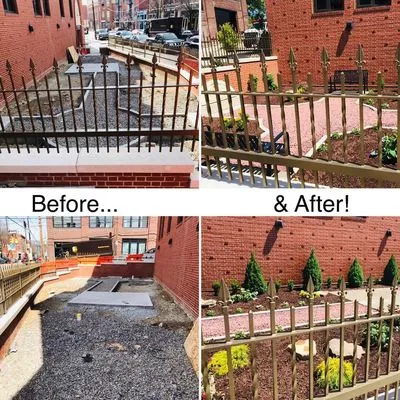
Frank's Landscaping has been a trusted name in Bethel Park, PA, since 2002, providing comprehensive outdoor solutions for residential and commercial properties throughout the Pittsburgh metro area. As...
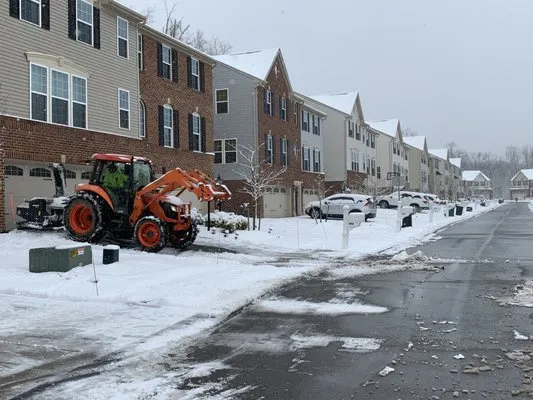
Growing Seasons Landscaping is a family-owned commercial and industrial landscaping provider founded in the Pittsburgh area. Headquartered locally, we have built a reputation for reliability and consi...
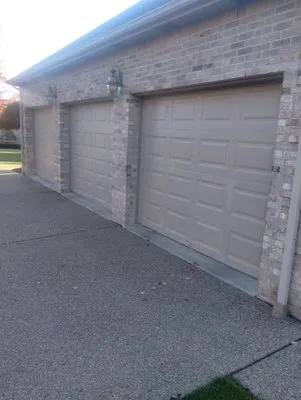
CS Landcare has been serving the Oakdale and greater Pittsburgh area since 2017, bringing decades of combined experience to every project. As a smaller, locally-owned company, we take pride in honest ...
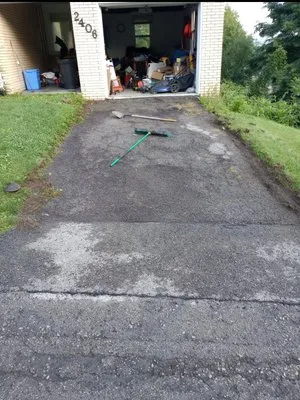
Matt's Lawn Care is a trusted local lawn service provider serving homeowners in Coraopolis, PA. We specialize in comprehensive lawn care solutions designed to address common landscaping challenges in ...
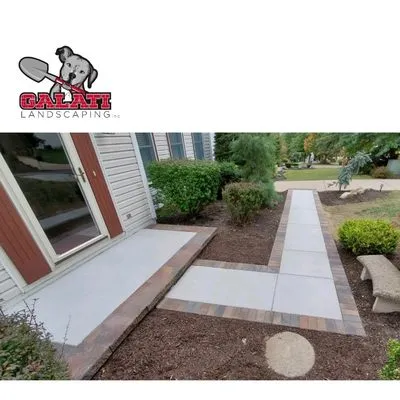
Galati Landscaping
Galati Landscaping is a family-owned business serving Washington, PA and surrounding Southwestern Pennsylvania counties since 1978. Founded by Vito Galati with a single lawnmower, the company has grow...
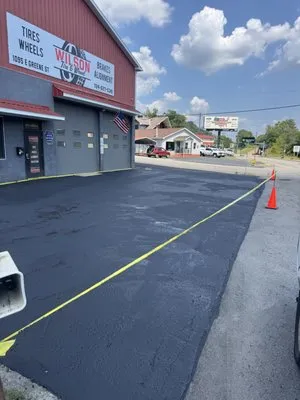
415 Handyman Services is a father-and-son team based in Fredericktown, PA, bringing over 30 years of combined experience to every project. We specialize in a wide range of services including handyman ...

D and E Landscaping Services is a trusted local landscaping company serving Spraggs, PA, and the surrounding areas. With expertise in everything from routine lawn care to complex landscape constructio...
Maust Landscaping
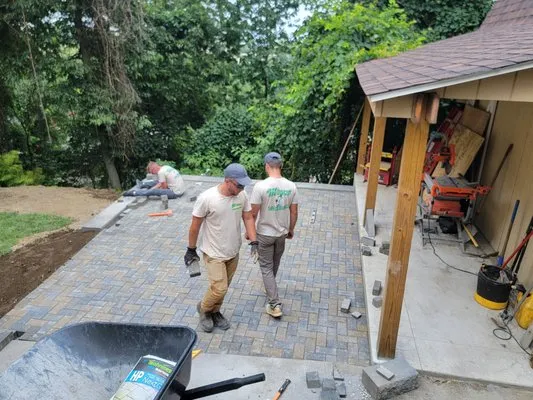
Founded in 1990, Maust Landscaping began with a commitment to personalized service, treating every project as if it were our own landscape. We take immense pride in transforming spaces from nothing in...
Estimated Landscaping Service Costs in Lower Tyrone Township, PA
Questions and Answers
What permits and licenses are needed for major landscaping projects?
Grading or retaining wall projects on 1.2-acre lots require permits from the Lower Tyrone Township Zoning & Planning Office, particularly when altering drainage patterns or adding impervious surfaces. Contractors must hold appropriate licensing through the Pennsylvania Department of Agriculture for pesticide application and landscape construction. These regulations ensure proper erosion control during installation and long-term environmental compliance, especially important given the property's size and potential impact on neighboring lots in the Dawson-Lower Tyrone Residential Corridor.
What solutions exist for persistent wet spots in my yard?
Moderate seasonal saturation in clay-heavy depressions requires French drains or dry creek beds to redirect water flow. Permeable Pennsylvania Bluestone installations in problem areas increase surface infiltration while meeting Lower Tyrone Township Zoning & Planning Office runoff standards. For severe cases, regrading with amended soil creates positive drainage away from structures. These approaches address the silty loam's tendency to hold water in low-lying zones common throughout the township.
Are there lower-maintenance alternatives to traditional lawn grass?
Replacing high-water turf with native plantings like Monarda fistulosa, Asclepias syriaca, Solidago canadensis, and Echinacea purpurea reduces mowing frequency and eliminates gas-powered equipment needs. This transition supports 2026 biodiversity standards while anticipating tighter noise ordinance restrictions on combustion engines. Native species thrive in USDA Zone 6b conditions with minimal irrigation once established, creating habitat for pollinators and reducing seasonal maintenance by approximately 60% compared to conventional lawns.
How should I handle invasive plants without violating fertilizer regulations?
Japanese knotweed and garlic mustard present the highest invasive species risks in Lower Tyrone Township, requiring targeted herbicide applications during active growth periods. All treatments comply with PA Nutrient Management Act restrictions prohibiting winter applications. Manual removal before seed set combined with spot treatments in early summer effectively controls invasions without disrupting soil microbiology. Proper disposal prevents reinfestation while maintaining the acidic silty loam's natural balance.
How quickly can you respond to an emergency tree cleanup after a storm?
Our electric fleet dispatches from the Lower Tyrone Township Building via PA-819, reaching most Dawson-Lower Tyrone Residential Corridor properties within 45-60 minutes during peak response windows. This routing avoids residential bottlenecks while complying with standard 7:00 AM - 9:00 PM noise restrictions. We prioritize HOA compliance situations with same-day assessment, particularly for safety hazards like hanging limbs or blocked driveways on 1.2-acre lots.
Should I install an irrigation system given our voluntary water conservation status?
Soil-moisture sensor bypass kits optimize irrigation by preventing watering during adequate soil moisture conditions, typically reducing water use by 30-40%. This technology maintains Kentucky Bluegrass and Tall Fescue blends while staying well within municipal water limits. The sensors measure actual root zone conditions rather than operating on fixed schedules, making them ideal for Lower Tyrone Township's variable seasonal saturation patterns. Properly calibrated systems can sustain turf health through dry periods without exceeding conservation guidelines.
Why does my lawn struggle despite regular care in the Dawson-Lower Tyrone Residential Corridor?
Properties built around 1961 have 65-year-old soil profiles where decades of compaction have reduced permeability in the acidic silty loam. This soil type naturally tends to become dense, limiting root penetration and water infiltration. Core aeration every 1-2 years introduces oxygen channels while incorporating organic compost addresses the pH 5.8-6.2 range. Mature lots in this neighborhood typically require these amendments to restore soil structure before any fertilization program becomes effective.
Is Pennsylvania Bluestone or wood better for patio construction?
Pennsylvania Bluestone offers superior longevity with minimal maintenance compared to wood, which requires regular sealing and replacement in USDA Zone 6b freeze-thaw cycles. The stone's natural permeability supports drainage in areas with moderate seasonal saturation while creating defensible space important for Moderate Wildland-Urban Interface ratings. Bluestone patios integrate with native plantings to reduce combustible materials near structures, addressing fire-wise landscaping principles without sacrificing aesthetic value.
