Top Landscaping Services in Lower Augusta Township, PA, 17801 | Compare & Call
There are 51 landscaping companies server in Lower Augusta Township PA

Murphy Lawn Services is a trusted, locally-owned provider of comprehensive tree and lawn care in Danville, PA. We specialize in both routine maintenance and complex solutions for residential propertie...

Selinsgrove Turf is a family-owned business that has been serving the Sunbury, PA community for over 7 years. We specialize in both commercial cleaning and lawn care services, offering tailored soluti...
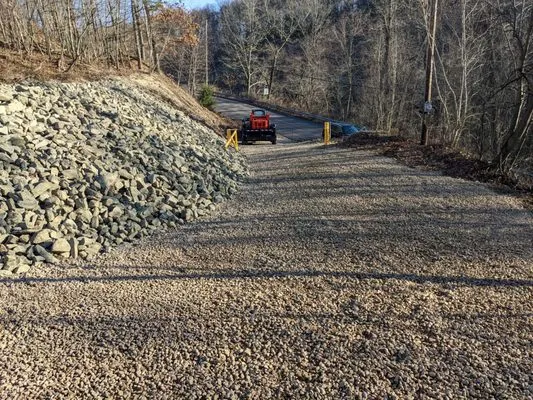
Appalachian Dirt Works is a Sunbury, PA-based excavation and landscaping company serving homeowners and businesses throughout the region. We specialize in solving common local landscaping challenges l...
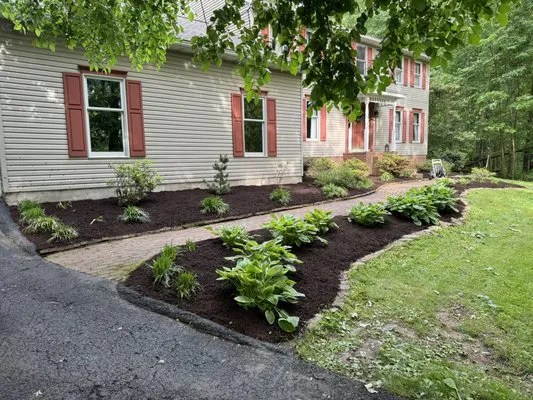
SD Property Maintenance is a trusted local business in Selinsgrove, PA, specializing in comprehensive property care solutions. We offer expert lawn services, masonry/concrete work, and excavation serv...

Los Amigos is a trusted, locally-owned service provider in Sunbury, PA, dedicated to helping homeowners maintain beautiful and healthy outdoor spaces. We specialize in expert lawn care services design...
Devine Design Scapes is a trusted landscaping company serving Northumberland, PA, dedicated to solving common local yard problems like irrigation timer failures and dead lawn patches. We specialize in...
K M L Landscaping is your trusted local partner for a healthy, vibrant yard in Northumberland, PA. We understand the common challenges homeowners face, from persistent moss growth that smothers grass ...
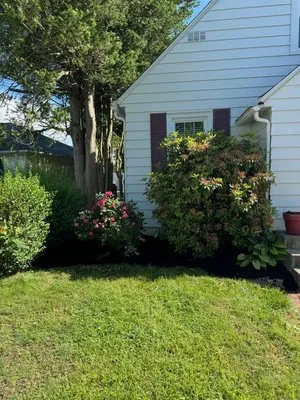
Gemberling Property Services is a trusted, local provider in Selinsgrove, PA, dedicated to solving the common landscaping and property challenges homeowners face. Many properties in the area struggle ...
Bing's Lawn and Plantscapes is a trusted landscaping company serving Shamokin Dam, PA, and the surrounding Susquehanna Valley. We specialize in diagnosing and solving common local landscaping challeng...
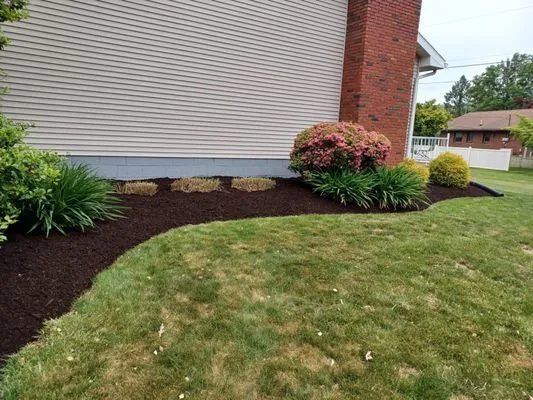
Hilltop Lawn Care is a trusted lawn services provider based in Middleburg, PA, with over a decade of experience serving the Susquehanna Valley. Specializing in comprehensive lawn care, seasonal mainte...
Estimated Landscaping Service Costs in Lower Augusta Township, PA
Frequently Asked Questions
Is local sandstone or pressure-treated wood better for a long-lasting patio?
Local sandstone offers superior longevity and permeability compared to wood, which requires chemical treatments and eventual replacement. In the Moderate Fire Wise rated rural interface zone, non-combustible materials like stone also contribute to defensible space. Sandstone patios, when installed with proper base preparation, provide decades of service with minimal maintenance, integrate naturally with the local geology, and add permanent value to the property.
How quickly can you respond for an emergency tree cleanup after a major storm?
Our standard storm response protocol from the Lower Augusta Township Building via PA-147 targets a 20-30 minute dispatch window during peak events. This route is prioritized for crews operating electric equipment compliant with daytime noise ordinances. For immediate HOA compliance or safety issues, we coordinate directly with township officials to secure the fastest possible site access and debris removal.
What permits and licenses are needed for regrading and drainage work on my 1.2-acre lot?
Significant earthmoving or regrading on a 1.2-acre parcel typically requires an erosion and sedimentation control permit from the Lower Augusta Township Zoning Office. The contractor must hold appropriate licensing from the Pennsylvania Department of Agriculture for applying any soil amendments or pesticides. Due to the property size and potential impact on water runoff patterns, professional engineering may be advised to ensure compliance with state and local stormwater management regulations.
Why does my lawn feel so compacted and thin, even with regular feeding?
Properties in Lower Augusta Village built around the 1964 average have over 60 years of soil maturation. The prevalent acidic silt loam becomes naturally dense, restricting root growth and water percolation. This history of use without consistent core aeration or organic amending has depleted soil structure. A program of deep-tine aeration and incorporation of compost is foundational to restore permeability and support a healthy turfgrass root zone.
I want to reduce mowing and gas equipment noise. What are my options?
Transitioning high-maintenance turf areas to plantings of Little Bluestem, Butterfly Milkweed, and New England Aster significantly reduces weekly mowing and fuel consumption. These native species are adapted to Zone 6b conditions, require no fertilization, and support local biodiversity. This shift aligns with evolving noise ordinances targeting gas-powered equipment and creates a resilient, low-input landscape that conserves water and provides habitat.
What invasive species should I watch for, and how are they treated safely?
Japanese Knotweed and Tree-of-Heaven are high-priority invasive alerts in this area due to their aggressive growth in disturbed soils. Treatment involves targeted, professional-grade herbicide applications timed outside of Pennsylvania's regulated nutrient management blackout periods, which focus on manure and biosolids. Safe control requires proper licensing from the Pennsylvania Department of Agriculture to ensure environmental compliance and prevent collateral damage to desirable native plants.
My yard has persistent soggy areas and moderate runoff. What's the best solution?
The acidic silt loam common here has moderate permeability, which, combined with a seasonal high water table, leads to these issues. Strategic installation of subsurface drainage tied to dry wells addresses the water table. For patios or walkways, using locally sourced sandstone or permeable concrete as hardscape increases surface infiltration. This integrated approach manages runoff to meet Lower Augusta Township Zoning Office standards for on-site water management.
How can I keep my Kentucky Bluegrass blend healthy during voluntary water conservation?
Modern smart Wi-Fi ET-based controllers are calibrated for USDA Zone 6b evapotranspiration rates and Lower Augusta's soil moisture retention. These systems apply water only when and where needed, based on real-time weather data, often reducing usage by 30-40% versus traditional schedules. This precision irrigation maintains turf health within voluntary conservation guidelines by preventing overwatering and deep-rooting grass for drought resilience.
