Top Landscaping Services in Licking Creek, PA, 17228 | Compare & Call

There are 51 landscaping companies server in Licking Creek PA
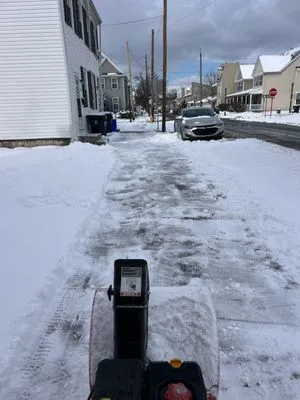
Blue Mountain Services in Lewisberry, PA, is a locally owned and operated property maintenance company with over 15 years of experience serving South Central Pennsylvania and beyond. Founded by Daniel...
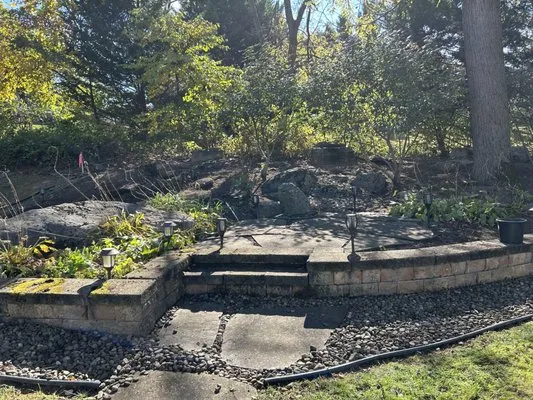
BW Landscaping is a locally owned and operated business in Chambersburg, PA, dedicated to helping residents bring their outdoor visions to life. We focus on landscape maintenance, lawn care, and snow ...
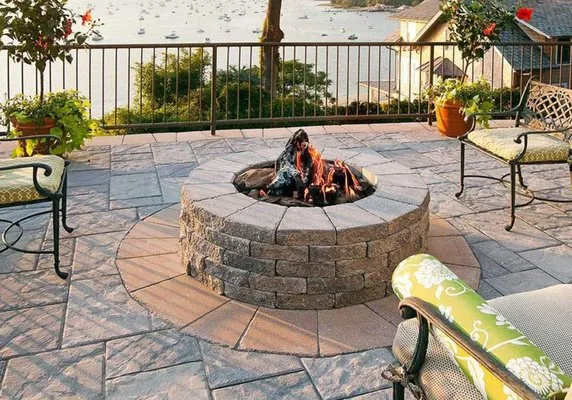
Terrascape Supply
Terrascape Supply is a family-owned landscape supply center serving Hollidaysburg and central Pennsylvania since 1988. Founded as Tussey Mtn. Mulch by Lawrence M. Martin, the business originally focus...
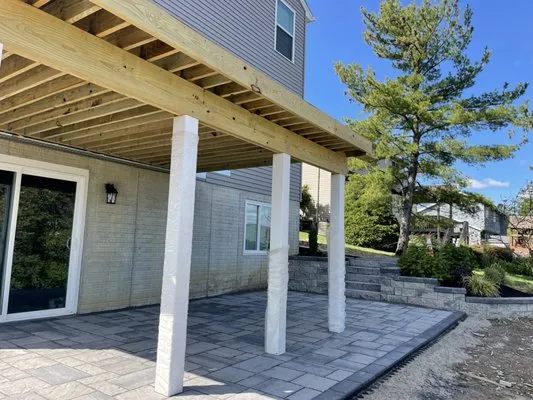
Ritchey Hardscapes & Landscaping
Ritchey Hardscapes & Landscaping is your trusted local expert serving Roaring Spring, PA, and the surrounding areas. We specialize in professional excavation, trench digging, masonry, and comprehensiv...
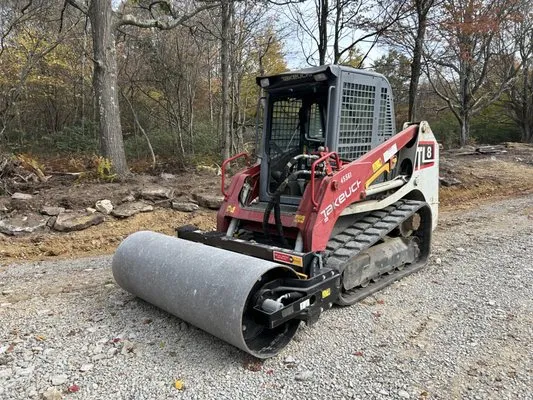
Land & Lumber is a locally-owned excavation and construction contractor based in Indian Lake, Pennsylvania. We specialize in transforming properties throughout Somerset County and the Laurel Highlands...
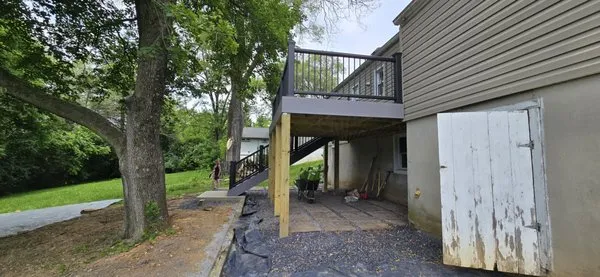
Hendrickson Construction Services
Hendrickson Construction Services is your trusted Mount Union partner for enhancing outdoor living spaces. As a full-service contractor specializing in decks, railing, and landscaping, we help local h...

Black's Contracting and Landscape
Black's Contracting and Landscape is a full-service Bedford, PA, contractor specializing in landscaping, hardscaping, and custom deck builds. Serving the local community, they address common regional ...
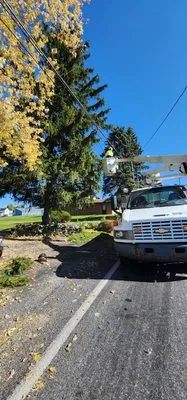
Top-Notch Landscaping & Property Maintenance
Top-Notch Landscaping & Property Maintenance serves Martinsburg, PA, with comprehensive outdoor solutions. Our team specializes in landscaping, tree services, and excavation, handling everything from ...
Ace Excavating and Landscaping
Ace Excavating and Landscaping is a trusted local contractor in Johnstown, PA, specializing in comprehensive excavation, demolition, and landscaping services. We help homeowners address common landsca...

H F Stone & Mulch is a trusted landscaping and construction business serving Osterburg, PA, and the surrounding communities. Founded on the principles of fairness and faith, we are a subsidiary of Par...
Estimated Landscaping Service Costs in Licking Creek, PA
FAQs
My lawn seems thin and compacted. Is this typical for homes of this age?
Properties built around 1978, common in Licking Creek Estates, have 48-year-old soils. Over decades, construction compaction and routine mowing have degraded the original structure of our native acidic silty loam. This soil profile now suffers from low permeability and reduced organic matter, leading to poor root development and waterlogging. Core aeration combined with top-dressing compost is a foundational correction to rebuild soil tilth and function.
A storm dropped limbs across my driveway. What's the fastest response for HOA compliance?
For emergency cleanup to meet covenant standards, dispatch routing originates from our central staging area at Licking Creek Community Park. Crews proceed north via US Route 522 into Licking Creek Estates, optimizing for the 8:00 AM noise ordinance start time. A standard 0.50-acre lot requires a 45-60 minute peak response window for safe debris processing and removal, utilizing electric chippers to operate within the 7:00 PM curfew.
My yard has soggy patches every spring. What's a long-term solution?
Moderate seasonal waterlogging in low-lying depressions is a direct result of our silty loam's slow percolation rate. Installing subsurface French drains or dry creek beds channels water away from problem areas. For new hardscapes, specifying permeable base materials beneath Pennsylvania Bluestone patios increases infiltration. These solutions often require a grading permit from the Fulton County Planning and Zoning Department to ensure runoff meets current standards.
What permits and licenses are needed to regrade my half-acre lot?
Significant grading on a 0.50-acre parcel typically triggers an earth disturbance permit from the Fulton County Planning and Zoning Department. Furthermore, any application of soil amendments or stabilizers to prevent erosion falls under the Pennsylvania Department of Agriculture's regulations. This work must be performed by or under the direct supervision of a licensed contractor, as improper grading can lead to off-site runoff violations and structural issues.
Is a bluestone patio a good choice compared to a wooden deck?
Pennsylvania Bluestone offers superior longevity and minimal maintenance compared to wood, which requires regular sealing and eventual replacement. Its non-combustible nature is a critical asset for meeting the Moderate (Zone 2) Fire Wise rating in our Wildland-Urban Interface. A properly installed bluestone patio also contributes to defensible space by creating a break in flammable vegetation, aligning with community wildfire preparedness goals.
What invasive species should I watch for, and how are they managed?
Japanese Knotweed and Tree-of-Heaven are high-priority invasives in Zone 6b that threaten native plant communities. Professional treatment follows the Pennsylvania Nutrient Management Act, which mandates applicator licensing and prohibits blanket fertilizer use. Targeted, seasonally-timed herbicide applications by a licensed professional are the most effective control, ensuring compliance and preventing damage to desirable species like Eastern Redbud or Joe Pye Weed.
How can I maintain my Kentucky Bluegrass lawn during voluntary water conservation?
Voluntary conservation stages in Pennsylvania prioritize efficient water use. Smart Wi-Fi soil moisture sensor controllers are calibrated to replace only the water lost through evapotranspiration (ET), preventing overwatering. This technology allows the Tall Fescue blend in your lawn to develop deeper drought-tolerant roots while staying within municipal guidelines. Proper irrigation timing, based on sensor data, is more critical than frequency.
I'm tired of weekly mowing. Are there lower-maintenance, native alternatives?
Transitioning high-input Kentucky Bluegrass turf to a landscape anchored by natives like Switchgrass and Butterfly Milkweed significantly reduces maintenance. This xeriscape approach cuts water use, eliminates weekly mowing, and provides superior habitat. It also future-proofs your property against evolving noise ordinances targeting gas-powered equipment, as native plantings require minimal seasonal cutting with electric tools.
