Top Landscaping Services in Leechburg, PA, 15656 | Compare & Call
There are 147 landscaping companies server in Leechburg PA
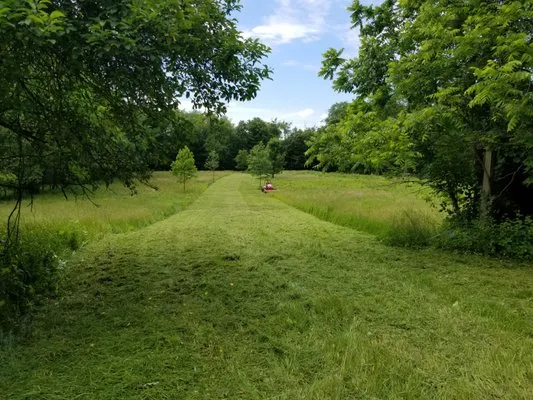
All Terrain Field And Brush Services is a Gibsonia-based land management provider serving the Greater Pittsburgh Area. Specializing in gardening and landscape maintenance, we handle challenging tasks ...
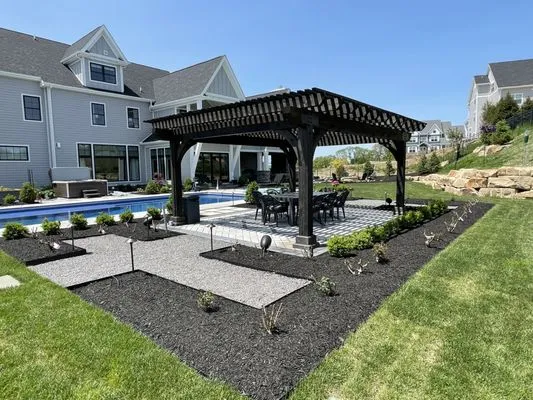
Living Spaces Outdoor Design is a Cranberry Township-based landscape firm founded in 2015, dedicated to planning and implementing comprehensive, custom outdoor solutions. We specialize in transforming...
Nelly's Green Thumb Landscaping is a dedicated, locally-owned landscaping company serving Cranberry Township and the surrounding communities. With a deep understanding of Western Pennsylvania's unique...
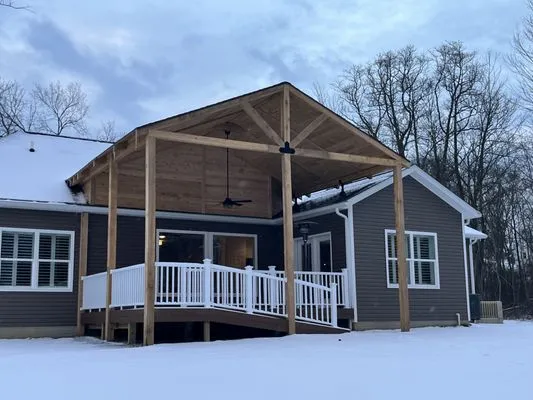
Finley's Outdoor Features
Finley's Outdoor Features is a locally owned and operated business in Fredonia, PA, founded by Josh Finley in 2012. Starting as a one-person operation serving the immediate area, the company has grown...
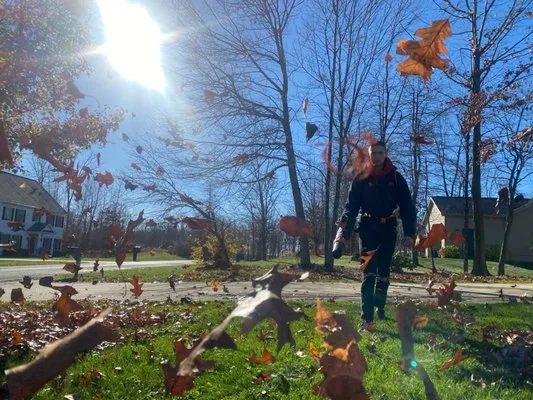
Didn't Wanna Do It Done is a trusted Slippery Rock, PA contractor specializing in landscaping, painting, and pressure washing services. We help homeowners address common local landscaping issues like ...
Joey Joe's Lawn Care is a trusted local lawn service provider in Wexford, PA, dedicated to keeping your outdoor spaces beautiful and functional. We specialize in comprehensive lawn care solutions that...
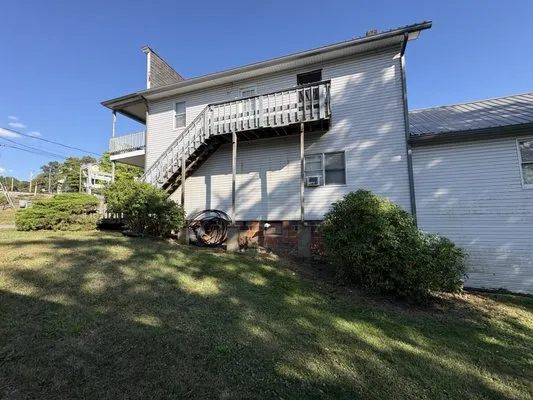
Jr's Landscaping is your trusted, local lawn care expert in Valencia, PA. We specialize in the comprehensive care needed to tackle the specific challenges homeowners in our area face, such as stubborn...

Jay's Task Force is a trusted, licensed handyman service in South Heights, PA, offering reliable solutions for home maintenance and outdoor care. With a focus on quality work and local expertise, we h...
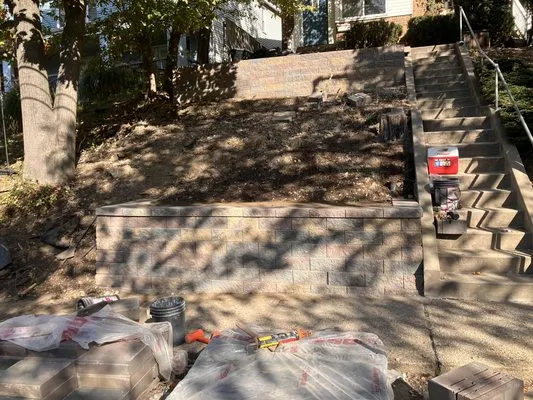
RGLB Tree Services is a trusted Plum, PA landscaping and tree care company serving homeowners and businesses throughout the community. We specialize in comprehensive outdoor solutions including tree p...
MJM Landscape & Hardscape is a full-service landscaping and hardscaping company serving Claysville, PA, and the surrounding areas. We specialize in a comprehensive range of services including excavati...
Estimated Landscaping Service Costs in Leechburg, PA
FAQs
How quickly can you respond to storm damage for HOA compliance in Leechburg?
Emergency cleanup crews dispatch from the Gilpin Bridge area via PA-66, maintaining 20-30 minute peak response times. Electric maintenance fleets operate within quiet hour ordinances while addressing downed limbs or drainage blockages. This routing prioritizes the Historic District's mature tree canopy vulnerabilities during seasonal transitions when sudden weather events occur.
What solutions address moderate runoff in Leechburg's clay-heavy yards?
Permeable local sandstone or concrete pavers increase surface infiltration rates to 5-10 inches per hour, meeting Borough Zoning Office runoff standards. French drains with clean stone aggregate redirect subsurface water away from foundations. These systems work with the existing Gilpin-Wharton soil profile to manage the 1-2 inch per hour rainfall intensity common in USDA Zone 6b, preventing erosion on sloped lots.
How can I reduce maintenance while supporting local ecology?
Transitioning 30-50% of turf to Eastern Redbud, Purple Coneflower, Swamp Milkweed, and Little Bluestem reduces mowing frequency and gas equipment use ahead of noise ordinance restrictions. These natives establish deep root systems within 2-3 growing seasons, requiring minimal irrigation once established. This approach creates pollinator corridors while decreasing seasonal maintenance cycles from weekly to quarterly in appropriate zones.
Can smart irrigation maintain Kentucky Bluegrass during Leechburg's dry periods?
Wi-Fi soil-moisture sensors prevent overwatering by tracking actual evapotranspiration rates, not preset schedules. These systems maintain turfgrass health while reducing municipal water use by 30-40% compared to traditional timers. During normal operations without restrictions, this technology prevents runoff from clay-heavy soils while preserving the Tall Fescue blend's drought tolerance through precise moisture management.
Why does my Leechburg Historic District lawn struggle with compaction and poor drainage?
Properties in the Leechburg Historic District average 83 years of soil development since typical 1943 construction. Acidic Gilpin-Wharton Silt Loam naturally compacts over decades, reducing permeability to 0.5 inches per hour. Core aeration every 2-3 years introduces oxygen channels while 1/4-inch compost topdressing raises pH toward optimal 6.5 for turfgrass. These amendments counter the clay-heavy subsoil that characterizes older neighborhood lots.
Should I choose local sandstone or wood for durable outdoor surfaces?
Local sandstone pavers provide 50+ year durability with minimal maintenance, unlike wood's 10-15 year lifespan requiring chemical treatments. In Moderate Wildland-Urban Interface zones, non-combustible stone creates defensible space per Firewise recommendations. Sandstone's thermal mass moderates microclimate temperatures while its natural permeability manages runoff without additional drainage infrastructure.
What permits and licenses are needed for landscape grading work?
The Leechburg Borough Zoning Office requires grading permits for soil movement exceeding 2 cubic yards on 0.15-acre lots. Pennsylvania Department of Agriculture licensing ensures contractors properly handle erosion control measures and soil amendments. Professional certification demonstrates understanding of slope stabilization techniques and compliance with state phosphorus application restrictions during establishment phases.
What invasive species threaten Leechburg landscapes, and how are they managed?
Japanese knotweed and garlic mustard present primary risks in Zone 6b, spreading through root fragments and seed dispersal. Targeted glyphosate applications during fall dormancy avoid phosphorus restriction blackout dates while minimizing non-target impacts. Manual removal before seed set in early summer prevents establishment, with proper disposal required at designated facilities to prevent reinfestation across the 0.15-acre lot scale.
