Top Landscaping Services in Kutztown University, PA, 19530 | Compare & Call
There are 172 landscaping companies server in Kutztown University PA
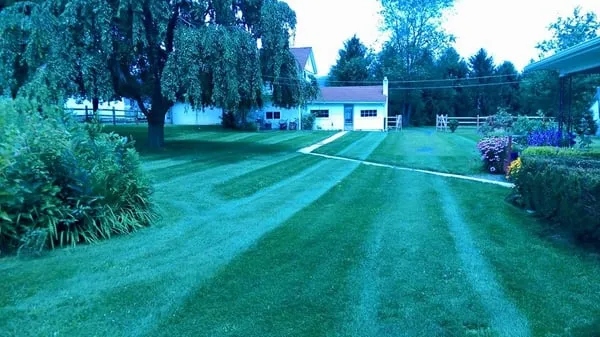
Fresh Cuts Lawn & Maintenance is a family-owned, locally-operated lawn care and property maintenance company proudly serving Allentown, Macungie, and Orefield since 2015. We are committed to building ...
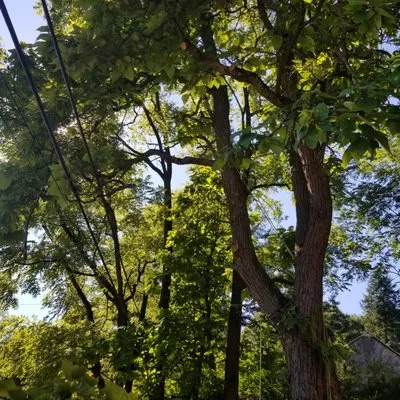
G&K Landscaping And Tree Service is a trusted, locally-owned company serving Allentown, PA, with over 20 years of experience in comprehensive tree services and landscaping. We are a fully licensed and...

Brecken Barnhart Home Service is a Mertztown-based provider specializing in electrical, landscaping, and gutter services. With expertise in electrical repairs, installations, and maintenance—including...

Cooper’s Lawn And Landscape is a family-owned and operated lawn service based in Womelsdorf, PA, established in 2023. We specialize in comprehensive lawn care, including mowing, trimming, mulching, pl...
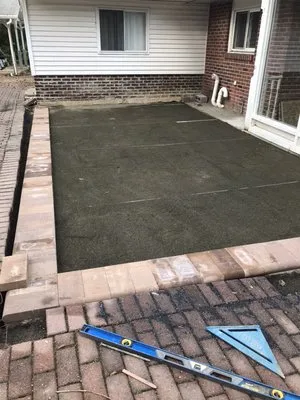
Ariel Romero Landscaping Services is a trusted local provider in Allentown, PA, offering comprehensive landscaping and snow removal solutions. We specialize in landscape maintenance, lawn care, and sn...
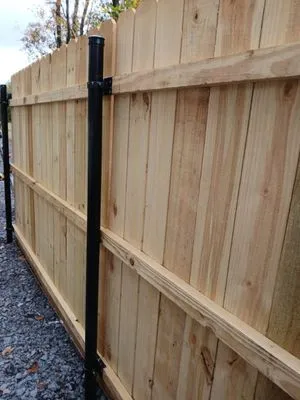
Bar 20 Fence And Farm Services is a family-run ranch and service business based right here in Boyertown, established in 2020. We offer practical solutions for both homeowners and farmers in Berks Coun...
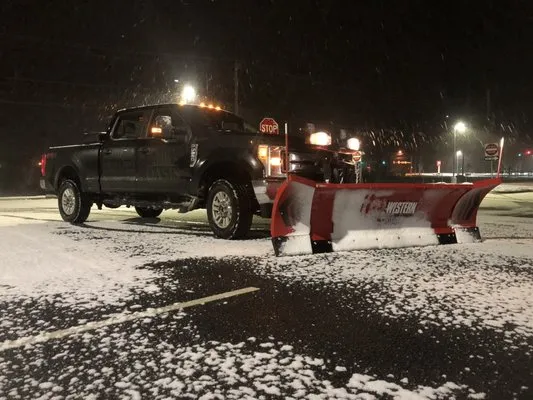
Oasis Property Services is a locally owned and operated full-service landscape provider in Allentown, PA, dedicated to transforming outdoor spaces with pride and expertise. Our team brings over thirty...

Laz Scapes is a locally owned and operated landscaping and masonry company in East Stroudsburg, built from the ground up with resilience and a deep commitment to the community. After overcoming signif...
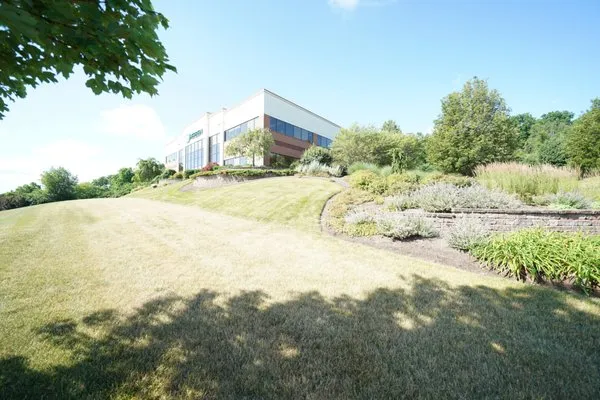
For over 25 years, New Castle Lawn & Landscape has been the trusted local choice for landscaping in Berks County. Founded and led by Brad, a Governor Mifflin High School graduate with over two decades...
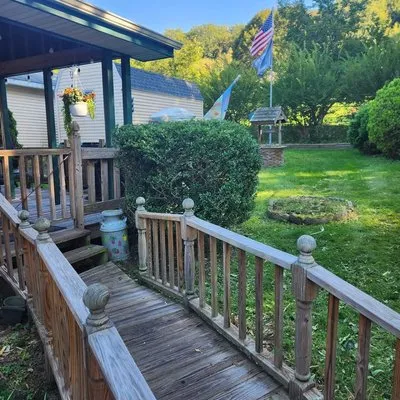
Ron's Lawn Care has been a trusted local provider in Shenandoah, PA, and surrounding Schuylkill and Berks Counties since 1997. Starting with just a small mower and basic tools, Ron has built his busin...
Estimated Landscaping Service Costs in Kutztown University, PA
Q&A
What solutions work for yards with seasonal standing water?
Moderate runoff in Channery Silt Loam requires improving soil permeability through French drains or dry creek beds. Pennsylvania Bluestone installed with open joints creates permeable hardscape that meets Kutztown Borough Planning & Zoning Department runoff standards. Grading adjustments that direct water away from foundations, combined with rain gardens planted with moisture-tolerant natives, address both surface and subsurface water movement issues.
How do I control invasive species without violating fertilizer regulations?
Japanese stiltgrass and garlic mustard present the highest invasion risks in Kutztown's USDA Zone 6b. Manual removal before seed set combined with targeted organic herbicides avoids phosphorus application prohibited by the PA Nutrient Management Act. Timing treatments outside of blackout dates and using mycorrhizae inoculants with native plantings creates competitive ecosystems that resist reinfestation without chemical dependency.
What permits and licenses are required for landscape grading work?
Grading that alters water flow patterns on a 0.22-acre lot requires Kutztown Borough Planning & Zoning Department approval for erosion control compliance. Contractors must hold Pennsylvania Department of Agriculture pesticide applicator certification if treating affected areas, plus appropriate business licensing. Professional engineering review may be necessary when modifying grades near property lines or addressing significant drainage issues to ensure compliance with municipal codes.
How quickly can you respond to an emergency tree cleanup after a storm?
Our dispatch from Kutztown University Old Main via US Route 222 reaches most Kutztown Borough Center properties within 20-30 minutes during peak conditions. We maintain electric-powered equipment that complies with the 07:00-21:00 noise ordinance for immediate deployment. This rapid response minimizes property damage and addresses safety hazards from storm-damaged trees or branches.
Why does my Kutztown Borough Center lawn struggle with compaction and poor drainage?
Properties in this neighborhood with 1968-era construction have 58-year-old soil profiles. Acidic Channery Silt Loam naturally develops hardpan layers that restrict root penetration and water movement. Core aeration every 2-3 years combined with organic amendments like composted leaf mold improves soil structure and permeability. This addresses the moderate runoff issues common in these lots while maintaining appropriate pH levels for turf health.
Is Pennsylvania Bluestone better than wood for patio construction?
Pennsylvania Bluestone offers superior longevity with minimal maintenance compared to wood decking that requires annual treatment. Its natural thermal mass moderates temperature extremes, and non-combustible properties support Low Fire Wise Rating compliance for defensible space. Properly installed bluestone patios last 30+ years with only occasional joint sand replenishment, avoiding the decay and replacement cycles of wood structures.
How do I maintain Kentucky Bluegrass during voluntary water conservation periods?
Smart Wi-Fi soil moisture sensors provide ET-based irrigation that applies water only when turf needs it, typically reducing usage by 30-40%. These systems monitor root zone moisture in real-time, preventing overwatering that exacerbates seasonal high water table conditions. Programming deep, infrequent watering cycles encourages deeper root growth in Tall Fescue blends, improving drought tolerance while staying within municipal conservation guidelines.
What are low-maintenance alternatives to traditional turf grass?
Replacing high-input Kentucky Bluegrass with native plant communities reduces maintenance frequency and resource demands. Eastern Redbud, Butterfly Milkweed, and Little Bluestem establish deep root systems that require no fertilization and minimal watering once established. This transition supports 2026 biodiversity standards while eliminating gas-powered equipment use, staying ahead of evolving noise ordinance restrictions on combustion engines.
