Top Landscaping Services in Jenner, PA, 15501 | Compare & Call
There are 202 landscaping companies server in Jenner PA

David's Lawn Care Service
For over 25 years, David's Lawn Care Service has been a trusted local provider for homeowners and businesses in Parkhill and the surrounding area. We offer comprehensive commercial and residential law...
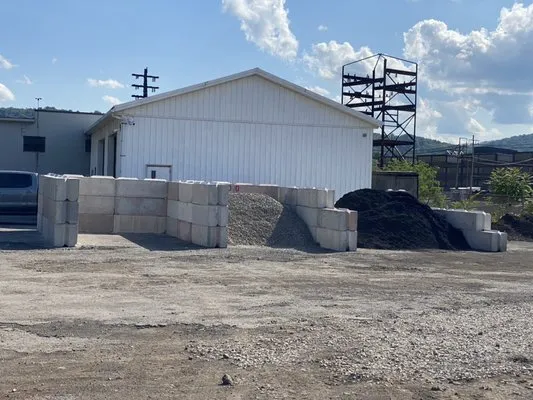
Empire Lawn Care & Seasonal Services is a family-owned and operated business serving Johnstown and the surrounding communities since 1999. For over 25 years, we've built our reputation on reliable, pr...
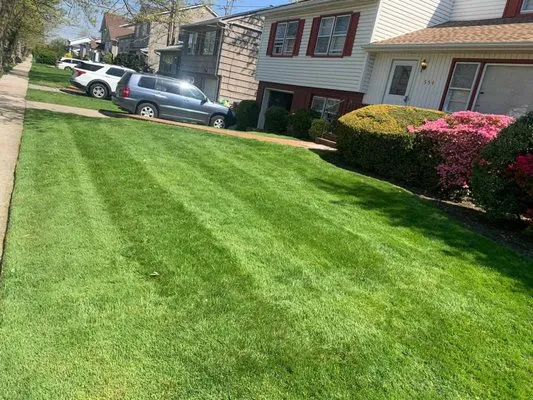
Jack's Commission is a Shanksville-based service run by a local college student offering practical, budget-friendly help with the tasks that homeowners find challenging or simply don't have time for. ...
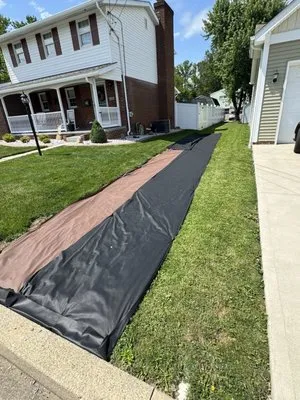
Trice's Landscaping is a full-service landscaping company serving Latrobe, PA, and Westmoreland County. We specialize in transforming outdoor spaces into beautiful, functional areas through comprehens...

JB Grass Cutting is a Trafford, PA-based company providing comprehensive lawn care and property maintenance solutions. We specialize in addressing common local landscaping issues like bare lawn patche...
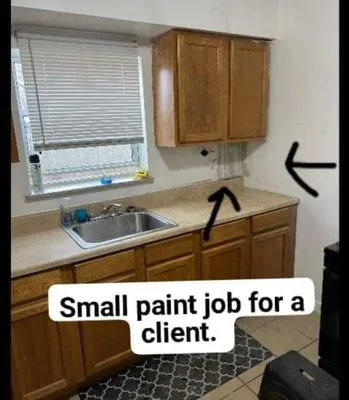
Timlin's Handyman Services is a Turtle Creek-based, licensed operation founded on a simple principle: reliable work and clear communication. As a one-man team, owner Timlin is motivated by the satisfa...
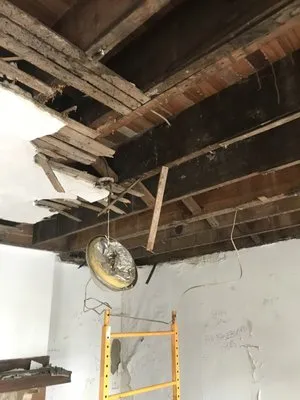
Euphoric Essentials LLC is your Pittsburgh neighbor for demolition and landscaping, founded by local Dominic James. With over 12 years of hands-on experience in construction and demolition, Dominic bu...
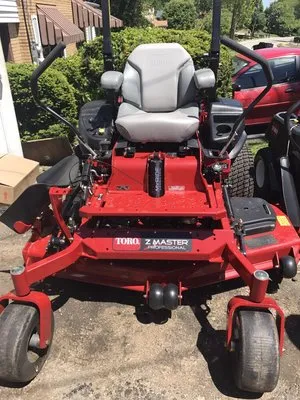
Flawless Landscaping
Flawless Landscaping is a locally owned and operated business serving North Versailles, PA, with comprehensive landscaping and snow removal services. Founded on hard work and community commitment, we'...

AK Lawn Care & Landscaping is a dedicated, locally-owned business serving the Jeannette community. For over two years, we've been focused on one simple goal: creating beautiful outdoor spaces that bri...
Smith Landscaping and Snow Removal is a trusted, locally-owned Pittsburgh company specializing in year-round property care. We understand the unique challenges faced by local homeowners, such as sprin...
Estimated Landscaping Service Costs in Jenner, PA
Common Questions
What permits and licenses are needed for grading my 0.35-acre lot?
Grading projects exceeding 5,000 square feet require Somerset County Planning Commission review for erosion control compliance. Contractors must hold Pennsylvania Department of Agriculture pesticide applicator certification if soil amendments involve regulated materials. Professional engineering stamps may be necessary for significant elevation changes, as 0.35-acre lots often involve complex water management considerations under state nutrient regulations.
What solutions address seasonal runoff in my yard?
Moderate runoff in acidic silty loam soils requires permeability enhancements. Installing Pennsylvania Bluestone with open-joint patterns allows water infiltration while meeting Somerset County Planning Commission runoff standards. French drains with clean stone aggregate can redirect saturation away from foundations. These approaches manage seasonal water movement without creating impermeable surfaces that exacerbate drainage hazards.
How can I reduce maintenance while supporting local ecology?
Transitioning high-maintenance turf areas to native plantings like Eastern Redbud, Mountain Laurel, Black-eyed Susan, and Switchgrass reduces mowing frequency and water demand. These species thrive in USDA Zone 6a conditions without synthetic inputs. This approach aligns with evolving noise ordinances by minimizing gas-powered equipment use while creating habitat corridors that support 2026 biodiversity standards.
How quickly can you respond to an emergency tree cleanup for HOA compliance?
Emergency cleanup crews dispatch from Jenner Community Park via US-219, arriving within 45-60 minutes during peak storm response windows. This routing prioritizes access to Jenner Crossroads while accounting for seasonal traffic patterns. Crews carry electric chainsaws and chippers that comply with daylight noise ordinances (7am-9pm), enabling immediate work upon arrival without violating community standards.
Is Pennsylvania Bluestone better than wood for patios in fire-prone areas?
Pennsylvania Bluestone provides superior longevity and fire resistance compared to wood decking. Its non-combustible nature supports defensible space requirements in Moderate Fire Wise rated zones. Properly installed with permeable bases, bluestone maintains structural integrity for decades without the maintenance demands or decomposition risks of organic materials in Jenner's climate.
What invasive species threaten Jenner properties and how are they managed?
Japanese knotweed and tree-of-heaven present significant invasive risks in this region. Treatment requires targeted herbicide applications during active growth phases, carefully timed outside the Pennsylvania Nutrient Management Act's blackout periods for fertilizer applications. Manual removal combined with mycorrhizae-enhanced soil restoration helps prevent reinfestation while maintaining ecological balance in the Wildland-Urban Interface.
Why does my soil seem compacted and acidic in Jenner Crossroads?
Properties built around 1964 in Jenner Crossroads have 62-year-old soil profiles that have matured under consistent landscaping practices. The acidic silty loam (pH 5.5-6.2) common here tends to compact over decades, reducing permeability and oxygen availability to roots. Core aeration every 2-3 years combined with organic amendments like composted leaf mold can restore soil structure and buffer pH toward neutral. This addresses the legacy of decades without soil health management in older neighborhoods.
Should I install irrigation despite Jenner's abundant water supply?
Smart Wi-Fi soil moisture sensor controllers optimize water use even in areas without restrictions. These systems monitor evapotranspiration rates and soil conditions, delivering precise irrigation only when Kentucky Bluegrass and Tall Fescue blends show actual need. This prevents overwatering that leads to fungal issues in silty loam soils while maintaining turf health within municipal water system capacities.
