Top Landscaping Services in Jefferson Hills, PA, 15025 | Compare & Call
There are 191 landscaping companies server in Jefferson Hills PA
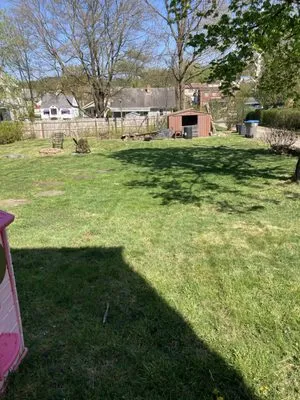
Big Ed's Lawncare is a licensed lawn care service company based in Pittsburgh, PA, established in 2020. We specialize in landscaping and pest control, offering a comprehensive range of services includ...
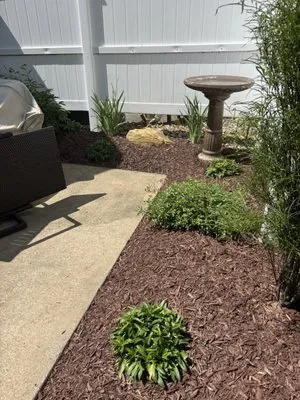
The Landscape Center
The Landscape Center in Bethel Park is a family-owned and operated garden center and landscape construction firm, established in 1985. Founded by Evan, a Penn State Horticulture graduate, the business...
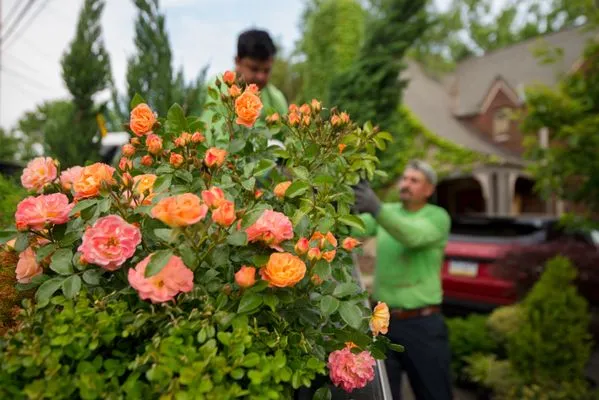
Dream Greener Lawn & Landscape
Dream Greener Lawn & Landscape is a Bethel Park, PA-based company that has been the trusted choice for comprehensive, year-round property care since 2013. We believe your property should be a true ref...
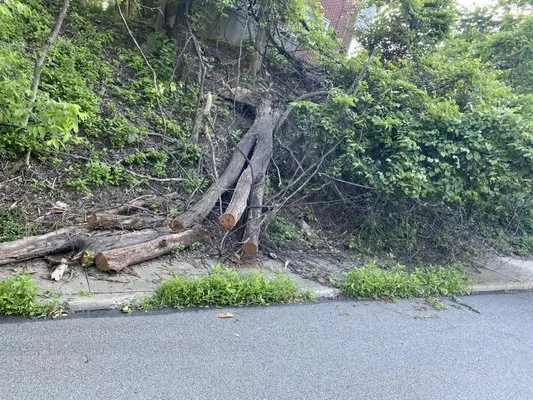
Apex Hauling & Landscape, owned by Grover Walker in Plum, PA, is a local business with over 20 years of experience in junk removal, hauling, landscaping, and snow removal. We specialize in a wide rang...
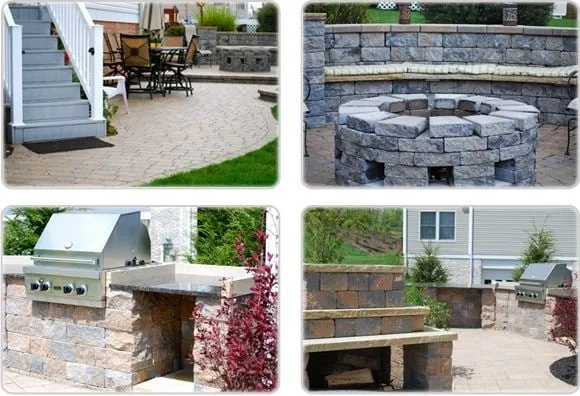
Oxford Landscaping
Oxford Landscaping has been a trusted name in the Pittsburgh, PA area since 1987, offering a comprehensive range of landscaping services for both residential and commercial clients. We specialize in c...

Szulc Scapes is your trusted, full-service home maintenance partner in Penn Hills, PA. We understand the local challenges homeowners face, from landscape edging damaged by seasonal wear to the signifi...
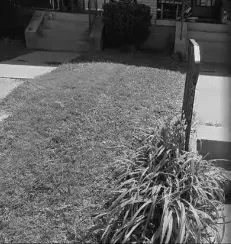
Peaks Lawn Care is a Pittsburgh-based lawn service and pressure washing company founded on a genuine passion for gardening and meticulous weed work. We specialize in transforming lawns into appealing ...
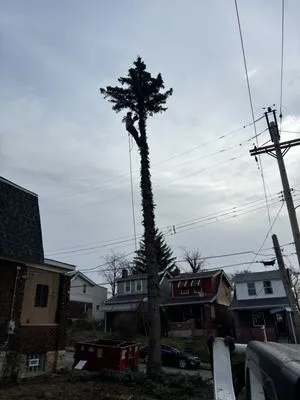
Paul Miller’s Landscaping
For over eight years, Paul Miller’s Landscaping has been the trusted, family-owned choice for homeowners in Pleasant Hills and the surrounding Pittsburgh area. Recognized by Pittsburgh Magazine with a...
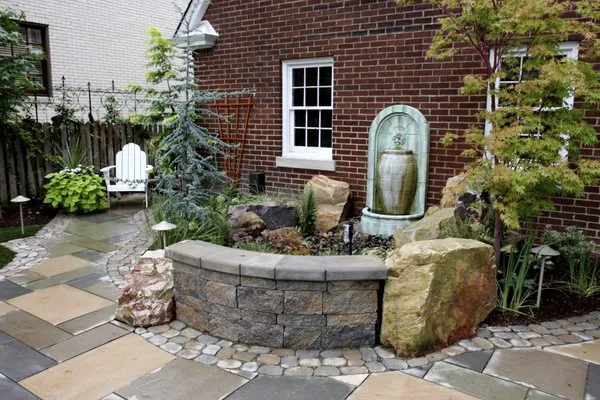
Kimicata Brothers
Kimicata Brothers has been a trusted name in Pittsburgh landscaping since 1929, growing from a small maintenance operation into a comprehensive design-build firm. As a fourth-generation, family-run bu...
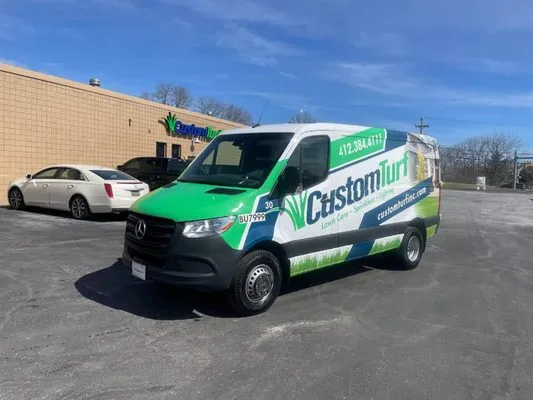
Custom Turf has been a trusted West Mifflin lawn care partner since 1987, offering comprehensive solutions for healthy, vibrant outdoor spaces. We provide expert lawn care, including fertilization and...
Estimated Landscaping Service Costs in Jefferson Hills, PA
Question Answers
Why choose bluestone over wood for patios and walkways?
Pennsylvania Bluestone offers superior longevity with minimal maintenance compared to wood decking that requires annual treatment. Its natural thermal mass moderates surface temperatures while providing fire-resistant defensible space meeting low Fire Wise ratings. Properly installed bluestone patios maintain permeability for drainage while withstanding freeze-thaw cycles common in Zone 6b winters.
Why does my Jefferson Hills lawn struggle despite regular care?
Gill Hall properties built around 1982 have 44-year-old soil profiles with Gilpin-Wharton Silt Loam. This acidic soil (pH 5.5-6.5) develops compaction layers that restrict root penetration and water infiltration. Core aeration every 2-3 years combined with organic amendments like composted leaf mold addresses the density issues. Soil testing through the Pennsylvania Department of Agriculture confirms nutrient availability for your specific pH range.
Should I worry about water restrictions affecting my lawn?
Jefferson Hills currently has no municipal water restrictions, but ET-based weather sensing irrigation provides proactive conservation. These systems calculate evapotranspiration rates to deliver precise moisture levels for Kentucky Bluegrass and Tall Fescue blends. This technology prevents overwatering during clay subsoil saturation periods while maintaining turf health within municipal water system capacities.
How quickly can you respond to storm damage for HOA compliance?
Emergency cleanup crews dispatch from the Jefferson Hills Municipal Building via PA-51 with 25-35 minute peak response times. This routing avoids residential congestion while maintaining compliance with 9:00 PM noise ordinance restrictions. We prioritize safety assessments before debris removal, coordinating with Gill Hall property managers for access during daylight hours to minimize disruption.
What invasive species threaten Jefferson Hills landscapes?
Japanese knotweed and garlic mustard present primary invasive risks in USDA Zone 6b. Treatment timing avoids Pennsylvania Fertilizer Act blackout dates through targeted spring applications before seed set. Manual removal combined with approved herbicides applied by licensed professionals prevents soil disturbance that exacerbates Gilpin-Wharton compaction issues. Regular monitoring catches new infestations before establishment.
What permits and licenses are required for landscape renovations?
Grading work on 0.45-acre lots requires Jefferson Hills Borough Planning & Zoning permits for soil disturbance exceeding 5,000 square feet. Contractors must hold Pennsylvania Department of Agriculture pesticide applicator licenses for any chemical treatments. Drainage modifications involving runoff redirection need engineered plans showing compliance with municipal stormwater management ordinances for residential properties.
How can I reduce maintenance while supporting local ecology?
Transitioning high-maintenance turf to Eastern Redbud, Purple Coneflower, Wild Bergamot, and Butterfly Weed reduces mowing frequency and supports 2026 biodiversity standards. These natives require minimal irrigation once established and provide habitat for pollinators. Electric maintenance equipment operates within 9:00 PM noise ordinance restrictions while eliminating gas-blower emissions during weekly April-October schedules.
What solutions exist for persistent yard flooding?
Moderate runoff in Gilpin-Wharton soils results from clay subsoil saturation beneath silt loam surfaces. Permeable Pennsylvania Bluestone installations create infiltration zones that meet Jefferson Hills Borough Planning & Zoning runoff standards. French drain systems with gravel reservoirs redirect water from foundation areas, while rain gardens planted with native species provide additional absorption capacity.
