Top Landscaping Services in Haycock, PA, 18930 | Compare & Call
There are 171 landscaping companies server in Haycock PA
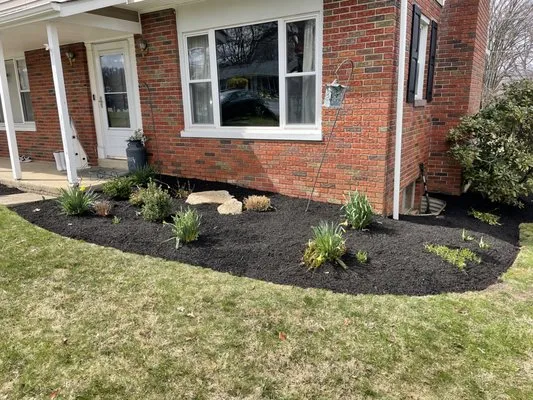
VanDame Landscapes is a Souderton-based landscaping company dedicated to enhancing and maintaining the beauty and health of local properties. We specialize in a comprehensive range of services from la...
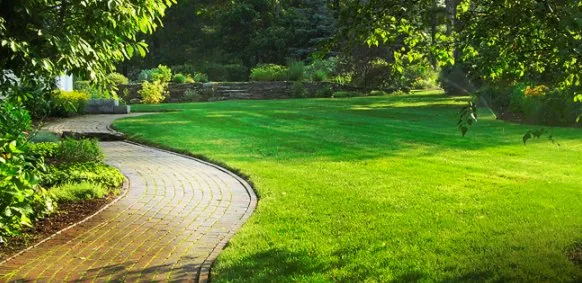
Mitchell Outdoor Services is a family-owned property maintenance and landscaping business based in Red Hill, PA, serving Trumbauersville and surrounding communities. Founded in 2017 by David Mitchell,...
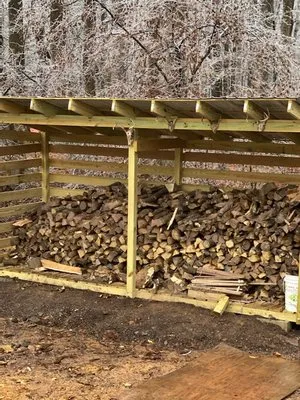
Garner Enterprises is a veteran-owned general contracting and landscaping company serving homeowners in Sellersville, PA, and throughout Bucks and Montgomery County. We specialize in a wide range of h...
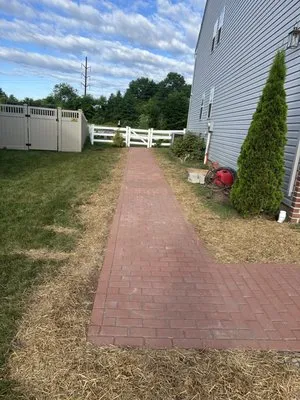
Woody Lawn & Landscape, founded in Quakertown, PA in 2020, has grown from its roots as Woody’s Home & Lawn Services into a trusted local provider for Bucks, Lehigh, and Montgomery Counties. We are a d...
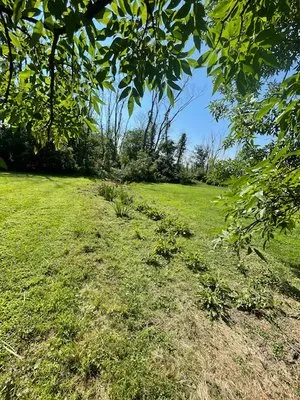
The First Landscaping serves the Bedminster Township, PA community by providing expert solutions to common local property challenges. We specialize in addressing soil compaction and landscape edging d...
Rahn Lawn & Landscape has been a trusted part of the Quakertown community since 1996, providing reliable lawn and landscape services for both homes and businesses. As a local, family-owned company, we...
Orion Landscapes is a dedicated Perkasie landscaping company helping homeowners maintain beautiful, healthy outdoor spaces year-round. We understand the common local challenges like patchy lawn grass ...
Tomeo Landscaping is a trusted local landscaping company serving Quakertown, PA, and the surrounding areas. We specialize in comprehensive landscaping solutions designed to address common local challe...
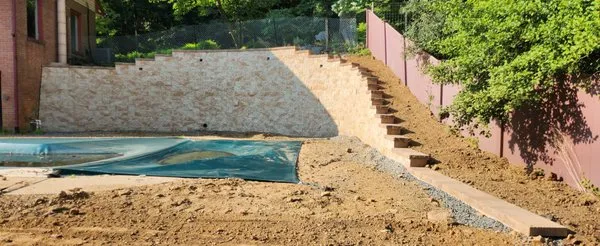
For over 15 years, Rustic Acres Yard & Land Professionals has been a trusted name for both residential and commercial landscaping in Kintnersville, PA. We specialize in bringing outdoor visions to lif...
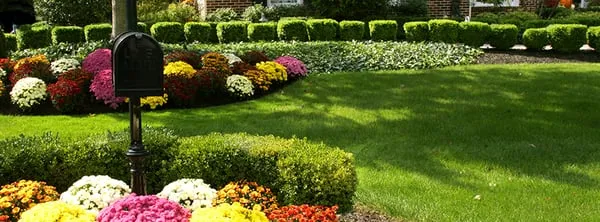
Kratz Landscaping is a veteran-owned landscaping company serving Perkasie, PA, and surrounding Bucks and Montgomery Counties for over 30 years. We specialize in comprehensive tree services, snow remov...
Estimated Landscaping Service Costs in Haycock, PA
Questions and Answers
Can I maintain healthy turf during voluntary water conservation periods?
Soil-moisture sensor bypass systems prevent irrigation when precipitation exceeds 0.25 inches, conserving 30-40% of typical Kentucky Bluegrass and Tall Fescue blend requirements. These systems integrate with ET-based scheduling to deliver water only during early morning low-evaporation windows. Municipal water limits become manageable through deep, infrequent watering that encourages root development beyond the clay layer.
What permits and licenses are needed for grading my large property?
Grading projects exceeding 5,000 square feet on 1.5 acre lots require Haycock Township Planning and Zoning Department erosion control permits with engineered drainage plans. Contractors must hold Pennsylvania Attorney General's Office Home Improvement Contractor Registration with specific endorsements for earthmoving. Soil disturbance near property boundaries triggers additional surveying requirements to prevent sedimentation in the Haycock Mountain Conservation Area watershed.
Why does my soil seem compacted and acidic even after years of care?
Haycock Mountain Estates properties average 55 years of development since 1971 construction, allowing soil maturity but creating acidic channery silt loam with pH 5.5-6.2. Decades of foot traffic and equipment weight have reduced permeability in this clay-rich subsoil. Core aeration every 2-3 years with organic amendments like composted leaf mold addresses compaction while gradually raising pH toward optimal 6.5 for most turf and ornamentals.
How can I reduce maintenance while preparing for future regulations?
Replacing 30-50% of traditional turf with Eastern Redbud, Switchgrass, New England Aster, and Joe Pye Weed creates biodiverse landscapes requiring minimal inputs. These natives thrive in acidic soils while providing habitat corridors ahead of 2026 biodiversity benchmarks. Transitioning to electric maintenance equipment now anticipates potential gas-blower restrictions under noise ordinances from 8 PM to 7 AM.
What solutions exist for persistent runoff and saturated areas?
High clay content in channery silt loam creates impermeable layers that trap moisture, requiring French drains or dry creek beds with 12-18 inch gravel bases. Permeable Pennsylvania Bluestone installations in patios and walkways meet Haycock Township Planning and Zoning Department runoff standards by allowing 0.5 inch per hour infiltration. Subsoil aeration combined with rain gardens planted with Joe Pye Weed manages typical 1.5 acre lot water movement.
How quickly can you respond to storm damage for HOA compliance?
Emergency cleanup crews dispatch from Haycock Mountain Conservation Area via PA Route 563, reaching Haycock Mountain Estates within 45-60 minutes during peak conditions. This routing avoids residential bottlenecks while accommodating downed tree removal equipment. We prioritize safety assessments before debris management to meet township storm response protocols.
What invasive species threaten my landscape and how are they managed?
Japanese stiltgrass and garlic mustard present primary risks in USDA Zone 6b, outcompeting natives in acidic soils. Manual removal before seed set in late summer avoids phosphorus application restrictions under Pennsylvania Fertilizer Act blackout dates. Targeted glyphosate applications during dormancy periods prevent soil mycorrhizae disruption while maintaining compliance with voluntary conservation water guidelines.
Why choose bluestone over wood for patios in fire-prone areas?
Pennsylvania Bluestone provides non-combustible surfacing that meets Moderate Fire Wise Rating (WUI Zone 2) defensible space requirements within 30 feet of structures. Unlike wood decking requiring chemical treatments, bluestone maintains integrity for 50+ years with minimal maintenance. Its thermal mass moderates microclimate extremes while permeable installation methods reduce runoff coefficients by 40% compared to concrete.
