Top Landscaping Services in Harrison, PA, 15065 | Compare & Call
There are 197 landscaping companies server in Harrison PA
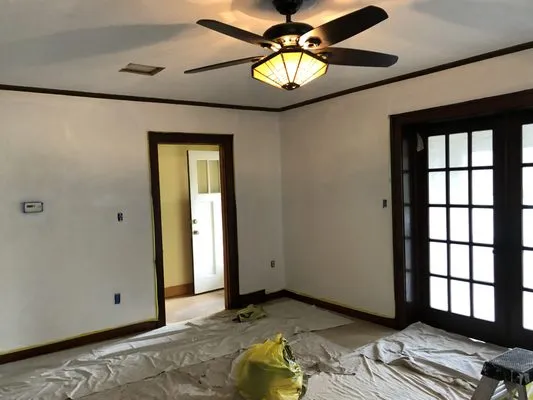
Smokey Sons Contracting & Landscaping is a full-service McKees Rocks contractor specializing in painting, flooring, and landscaping solutions for local homeowners. We help address common local landsca...
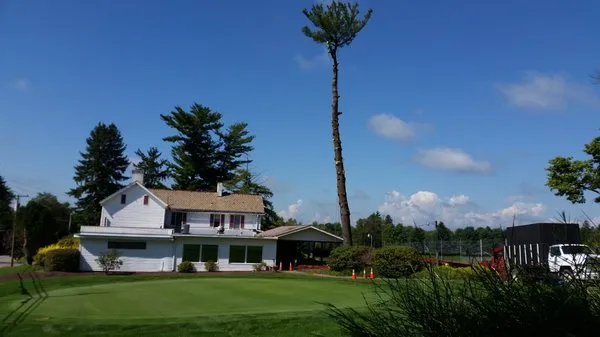
Marino's Tree Service is a family-owned and operated business serving Pittsburgh and the surrounding areas with over 25 years of experience in tree care and landscaping. We specialize in a comprehensi...
Brandon Landscape
For over 35 years, Brandon Landscape has been a trusted partner for Pittsburgh homeowners, transforming outdoor spaces into lasting, functional environments. As a dedicated design-build firm, we guide...

TRL Excavating is a Pittsburgh-based contractor providing essential groundwork, landscaping, and tree services for both residential and commercial properties. Our comprehensive approach covers project...
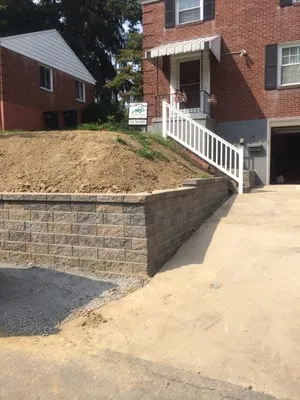
Caprino Landscaping & Excavating is a Pittsburgh-based landscaping and excavating company founded and operated by Todd Caprino. What began as a passion project at age 14 with a single lawn mower and h...
Jr's Lawn & Tree has been a trusted provider of comprehensive outdoor services in Sewickley, PA, and the surrounding Allegheny, Beaver, and Butler Counties for over 25 years. We specialize in tree rem...
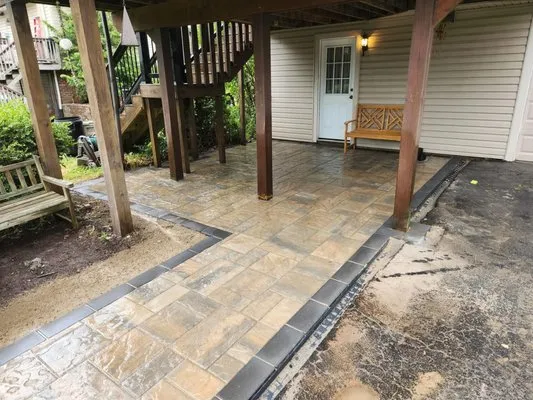
Stacked Hardscapes and Landscaping
Stacked Hardscapes and Landscaping is a full-service landscape and hardscape company founded in 2015 by Jason Roos and Adam Benson, both of whom brought extensive prior experience in the field. Initia...
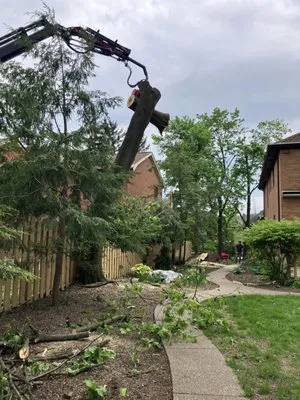
Keystone Tree Techs is a licensed and insured arborist service founded in 2006 by Michael Cashdollar, a USMC veteran and ISA certified arborist. With over 20 years of experience in tree care and lands...
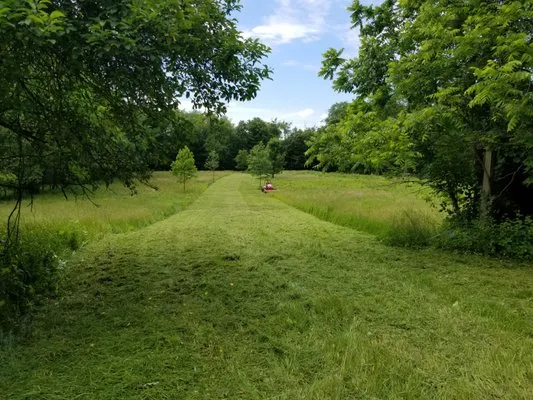
All Terrain Field And Brush Services is a Gibsonia-based land management provider serving the Greater Pittsburgh Area. Specializing in gardening and landscape maintenance, we handle challenging tasks ...
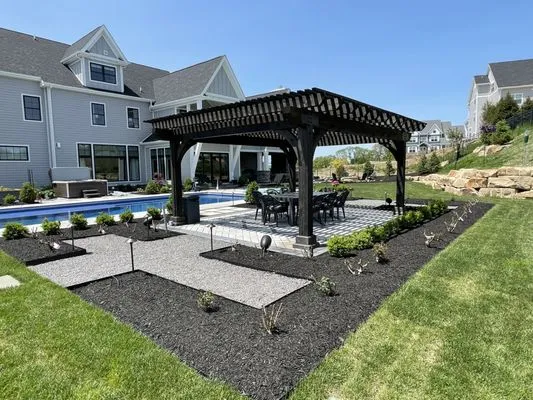
Living Spaces Outdoor Design is a Cranberry Township-based landscape firm founded in 2015, dedicated to planning and implementing comprehensive, custom outdoor solutions. We specialize in transforming...
Estimated Landscaping Service Costs in Harrison, PA
Question Answers
Why does my lawn always seem compacted and waterlogged compared to newer neighborhoods?
Properties in Natrona Heights, built around 1993, have 33-year-old landscaping soils. Decades of foot traffic and mower weight have degraded the natural structure of our native acidic silty clay loam. This soil type is prone to severe compaction, which drastically reduces percolation and oxygen availability to roots. Core aeration followed by incorporating composted organic matter is the most effective long-term strategy to rebuild soil porosity and microbial health.
Do I need a permit to regrade my backyard for better drainage?
Yes. Any significant regrading that alters water flow across a 0.25-acre lot requires review by the Harrison Township Building & Zoning Department to ensure it doesn't adversely affect neighboring properties or public infrastructure. Furthermore, the excavation work itself must be performed by or under the supervision of a contractor appropriately licensed by the Pennsylvania Department of Agriculture for earthmoving. DIY grading often leads to code violations and can create downstream flooding liabilities.
Is Pennsylvania Bluestone a better long-term investment than a wooden deck?
For longevity and reduced maintenance, Pennsylvania Bluestone is superior. Properly installed on a compacted gravel base, it will last for decades with no need for staining, sealing, or replacement. In the context of Fire Wise ratings, while our area is Low risk, bluestone provides a non-combustible, defensible space immediately adjacent to the home. Wood decks require ongoing upkeep and represent a fuel source in a wildfire scenario, even in suburban compliance zones.
How quickly can a crew respond for an emergency storm cleanup to meet an HOA deadline?
For urgent compliance or post-storm scenarios, dispatch from our base near Harrison Hills Park allows a route via PA-28. Under normal traffic, a crew with an electric fleet (complying with 7 AM-9 PM noise ordinances) can be on-site within 25 minutes. During peak congestion or severe weather events impacting multiple properties, response times extend to the 40-minute window. We prioritize triage for safety hazards like downed trees over driveways.
My yard pools water after every rain. What's a permanent solution?
Moderate runoff is a direct result of clay compaction in our soil profile, which has very low permeability. Surface regrading paired with subsurface French drains is often necessary. For new hardscapes, specify permeable installation methods for Pennsylvania Bluestone patios or walkways. This technique, which uses open-graded gravel bases, allows water to infiltrate directly into the subsoil and meets Harrison Township's updated stormwater management standards for reduced runoff.
Is a smart sprinkler system worth it if there are no water restrictions?
Absolutely. Even under Normal Operations, municipal water is a shared resource. Smart Wi-Fi ET-based controllers adjust schedules daily using local evapotranspiration data, applying only the water Kentucky Bluegrass and Tall Fescue actually need. This prevents the 30-50% overwatering typical of manual timers, which exacerbates runoff on clay soils. The system pays for itself in water savings and prevents disease by eliminating constant soil saturation.
What's the safest way to deal with invasive vines without harming my garden?
For pervasive invaders like Japanese Knotweed or Mile-a-Minute vine, a targeted herbicide application by a Pennsylvania Department of Agriculture-licensed professional is often the only effective control. This must be timed outside of any state-regulated nutrient management blackout dates to protect watersheds. For less aggressive species, manual removal combined with a thick layer of mulch in early April can suppress regrowth. Always identify the specific species first, as treatment protocols vary.
I'm tired of weekly mowing. What are low-maintenance alternatives that still look good?
Transitioning sections of high-input turf to a xeriscape of regionally native plants is a forward-looking strategy. A matrix of Eastern Redbud, Wild Bergamot, Butterfly Milkweed, and New England Aster provides multi-season interest and critical pollinator habitat. This approach drastically reduces mowing, eliminates fertilizer needs, and future-proofs your property against evolving noise ordinances targeting gas-powered blowers and mowers. It aligns with 2026 biodiversity and carbon sequestration goals.
