Top Landscaping Services in Gulich Township, PA, 16616 | Compare & Call
There are 109 landscaping companies server in Gulich Township PA
Shimmel Landscaping & Lawncare is a trusted local landscaping company serving Philipsburg, PA, and the surrounding areas. With years of experience, we specialize in addressing common local landscaping...
Korn Landscaping is a trusted, locally-owned landscaping company serving Philipsburg, PA, and the surrounding communities. We specialize in diagnosing and solving the common local lawn problems of dea...
Tom's Landscaping is a dedicated husband-and-wife team serving Philipsburg, PA, with reliable and affordable lawn care. Tom handles all your mowing and maintenance needs, offering competitive rates an...
C & L Lawn Care State is a trusted local landscaping company serving Tyrone, PA, and the surrounding areas. We specialize in addressing common residential landscaping challenges, such as dying shrubs ...
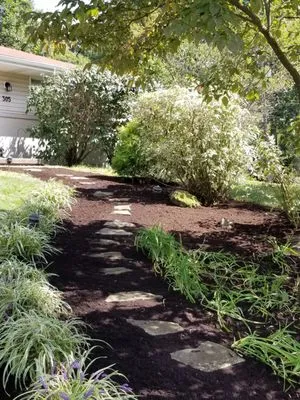
Nittany Greenscapes
Nittany Greenscapes is a trusted lawn care and landscaping company serving Centre Hall, PA, and the surrounding areas. We specialize in comprehensive landscape design, year-round lawn maintenance, and...

Customer First Lawn Care is a dedicated lawn service provider in Philipsburg, PA, specializing in comprehensive lawn care solutions. We understand that many local homes face common landscaping challen...
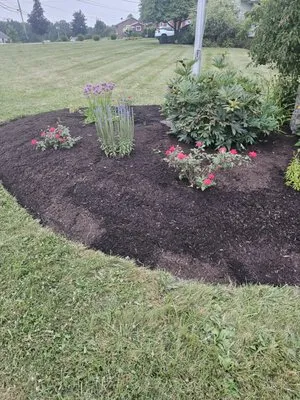
Miller's Green Thumb Services
Miller's Green Thumb Services is a local landscaping and pressure washing business in Osceola Mills, PA, founded by Tommy. With a genuine passion for outdoor work, Tommy brings his construction and ma...
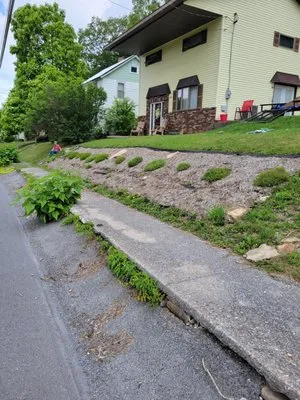
Dano's Lawn Care is a trusted Hyde, PA business specializing in comprehensive lawn services to address common local landscaping challenges. Many homes in Hyde face issues like lawn fungus disease and ...
Top To Bottom Tree And Lawn Care is a DuBois-based company with over a decade of experience in tree removal, lawn care, and snow removal. We serve homeowners in DuBois, PA, and nearby areas, offering ...
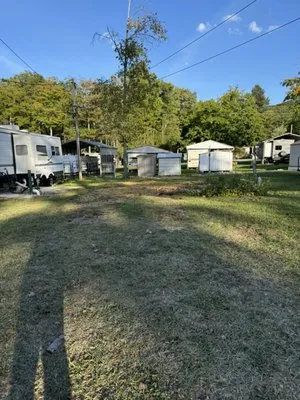
Grant’s Property Services LLC is a licensed and fully insured property maintenance company based in Fallentimber, PA, dedicated to helping local homeowners and businesses maintain their outdoor spaces...
Estimated Landscaping Service Costs in Gulich Township, PA
Q&A
What's the most water-efficient way to maintain Kentucky Bluegrass and Fine Fescue during dry periods?
Manual soaker hoses and drip irrigation deliver water directly to root zones with 90% efficiency compared to 65% for traditional sprinklers, conserving municipal water under normal restriction status. These systems apply 0.5-0.75 inches weekly during peak ET periods, matching turfgrass needs without runoff. Early morning operation minimizes evaporation while supporting the cool-season grass mix's drought tolerance. Periodic system audits check for even distribution across the 0.50-acre property, adjusting flow rates based on soil moisture sensors.
How quickly can you respond to an emergency storm cleanup for HOA compliance in Gulich Township?
Emergency response from the Gulich Township Municipal Building follows PA Route 153 with a 45-60 minute rural standard, accounting for debris clearance and equipment loading. Our electric maintenance fleet operates within 8 PM-7 AM noise ordinance restrictions, allowing daytime deployment without disturbance. For urgent HOA compliance issues like fallen branches or drainage blockages, we prioritize same-day assessment with documentation for township requirements. Route optimization considers seasonal traffic patterns along Route 153 to maintain consistent response times.
Why does my Houtzdale Borough lawn struggle with compaction and poor drainage despite regular care?
Gulich Township lots built around 1958 have acidic silty loam soil that has matured for 68 years, developing dense layers from decades of foot traffic and minimal organic input. This soil type naturally compacts over time, reducing permeability and creating seasonal frost heave issues. Core aeration with organic amendments like composted leaf mold improves soil structure by increasing pore space for root growth and water movement. Regular soil testing every 2-3 years monitors pH levels to maintain the optimal 5.5-6.2 range for Pennsylvania Sedge and other acid-tolerant natives.
Why choose Pennsylvania Bluestone over wood for patios in fire-prone areas?
Pennsylvania Bluestone provides non-combustible surfacing with a 50+ year lifespan, compared to wood's 15-20 years with regular treatment. Its thermal mass moderates temperature extremes while creating defensible space per Moderate Fire Wise ratings. Properly installed with permeable bases, bluestone minimizes heat island effect and allows emergency vehicle access. The material's natural cleft surface provides slip resistance without requiring chemical sealants that could violate local ordinances.
What permits and licenses are needed for grading work on a half-acre lot?
Grading exceeding 100 cubic yards on 0.50-acre properties requires Gulich Township Zoning & Code Enforcement approval for erosion control and drainage plans. Contractors must hold Pennsylvania Department of Agriculture pesticide/landscape licensing for soil amendment applications. The PA Nutrient Management Act mandates nutrient budgeting for any imported organic materials, with documentation submitted before April mulching peak. Professional engineering stamps are necessary for retaining walls over 4 feet or changes affecting watershed boundaries.
How can I address moderate runoff issues in my acidic silty loam yard?
Seasonal frost heave exacerbates runoff in compacted silty loam by creating impermeable layers that redirect water toward foundations. Permeable Pennsylvania Bluestone installations with ¼-inch joints filled with angular gravel create 30-40% void space for water infiltration. This meets Gulich Township Zoning & Code Enforcement runoff standards by reducing peak flow rates during heavy rains. French drains lined with non-woven geotextile filter fabric prevent soil clogging while directing water away from critical areas.
Should I replace high-maintenance turf with native plants to reduce noise and emissions?
Transitioning to Common Milkweed, New England Aster, and Wild Bergamot reduces mowing frequency from bi-weekly to seasonal maintenance, aligning with electric equipment adoption under noise ordinances. These natives establish deep root systems within 2-3 years, stabilizing soil and requiring 75% less water than traditional turf. The plant community supports local pollinators while creating natural firebreaks in Moderate Wildland-Urban Interface zones. Strategic placement maintains defensible space without compromising biodiversity goals.
What invasive species threaten Gulich Township landscapes, and how are they managed safely?
Japanese knotweed and garlic mustard present the highest risk in acidic soils, outcompeting natives and altering soil chemistry. Mechanical removal before seed set in early summer avoids PA Nutrient Management Act restrictions on herbicide timing. For persistent infestations, targeted glyphosate applications follow label rates and buffer zones from water sources. Regular monitoring along property edges and near PA Route 153 corridors catches new invasions early, preventing establishment in the silty loam substrate.
