Top Landscaping Services in Guilford, PA, 17202 | Compare & Call

Cumberland Greens serves Guilford, PA, and surrounding areas with reliable lawn care, junk removal, and pressure washing services. With over a decade of experience, owner-operated Cumberland Greens pr...
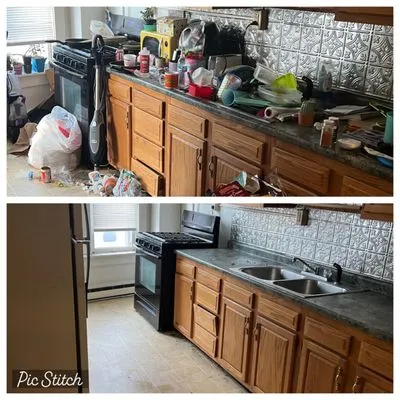
ACO Lawn Care in Guilford, PA is a locally owned and operated business that has provided reliable and affordable junk removal services for the past three years. Recently expanding into lawn care, we n...
Questions and Answers
What permits and licenses are needed to regrade and landscape our 0.35-acre lot?
Regrading that alters water flow or involves significant earthmoving typically requires a permit from the Guilford Township Zoning & Planning Office. Any application of pesticides or herbicides must be performed by a professional holding a current license from the Pennsylvania Department of Agriculture. For the scale of a 0.35-acre lot, it is crucial to hire a contractor with this specific licensing to ensure compliance with state nutrient management and sediment control regulations.
Our yard holds water after heavy rain. What is the best solution for our clay-heavy soil?
Moderate runoff in Duffield Silt Loam is typically caused by clay-heavy subsoil compaction. The primary solution is improving permeability. We install French drains or dry creek beds to channel water away from foundations. For patios or walkways, using permeable jointing sand with Pennsylvania Bluestone Pavers allows water to infiltrate, which can help meet Guilford Township Zoning & Planning Office runoff management standards for new installations.
My lawn seems thin and compacted. Is this common for Guilford Hills properties built around 1980?
Yes, this is a predictable condition. Homes built in the early 1980s have soil that is now approximately 46 years old. The native Duffield Silt Loam (pH 6.5-7.2) in this neighborhood has likely experienced decades of standard maintenance, leading to subsoil compaction and reduced organic matter. This inhibits root growth and water percolation. To restore soil health, we recommend core aeration followed by top-dressing with compost to rebuild structure and microbial activity.
What invasive species should we watch for, and how do we treat them responsibly?
Common threats in this area include Japanese Knotweed, Tree-of-Heaven, and Garlic Mustard. Manual removal is effective for small infestations. For chemical treatment, we use targeted, EPA-registered herbicides applied by licensed professionals, strictly adhering to the Pennsylvania Nutrient Management Act to prevent runoff into waterways. Timing is critical; we avoid application during blackout dates preceding forecasted rain to protect local watersheds.
How can we keep our Tall Fescue healthy during summer while following voluntary water conservation?
Effective irrigation relies on precision, not volume. We program smart, Wi-Fi ET-based systems to apply water only when evapotranspiration data indicates plant stress, often during early morning hours. This method can reduce water use by 20-30% compared to timer-based schedules. Tall Fescue, particularly Kentucky-31 or Turf-Type varieties, is drought-resilient and benefits from deeper, less frequent watering that encourages robust root systems within conservation guidelines.
If we need emergency storm cleanup to meet an HOA deadline, what is the fastest response time?
Our standard emergency response window for Guilford Hills is 25-35 minutes during peak conditions. Our dispatch is coordinated from the Guilford Township Municipal Building, allowing for rapid access to I-81. This routing is optimized to bypass typical local congestion. We maintain dedicated crews and electric equipment to begin work immediately upon arrival within the permissible noise ordinance hours.
Is Pennsylvania Bluestone a good choice for a new patio compared to composite wood?
Pennsylvania Bluestone is a superior, permanent choice for our climate. It offers exceptional durability against freeze-thaw cycles, requires no sealing or chemical treatment, and its natural thermal mass moderates temperature. While wood decks require ongoing maintenance and can pose a fire risk, bluestone provides a non-combustible, defensible space material—a consideration even in Guilford's Low Fire Wise rating zone—and will last decades with minimal upkeep.
We want to reduce mowing and gas equipment noise. What are the best native plant options?
Transitioning to a climate-adaptive xeriscape with native species significantly reduces maintenance and noise. For Guilford's Zone 6b, we layer Eastern Redbud for structure, Butterfly Milkweed and New England Aster for pollinator support, and Switchgrass for erosion control. This planting scheme creates a biodiverse habitat that requires no weekly mowing, minimal watering once established, and aligns with the trend toward quieter, electric maintenance fleets ahead of potential gas-blower restrictions.
