Top Landscaping Services in Greenville, PA, 16125 | Compare & Call

Danny's Property Maintenance
Danny's Property Maintenance is your trusted local expert in Greenville, PA, specializing in landscaping, painting, and drywall services. We help homeowners tackle common local issues like patchy lawn...
Sabelli and Co in Greenville, PA began as a tree service and landscaping business and has grown into a comprehensive home improvement company. By bringing together skilled professionals in one team, w...

Tony's Lawncare And Landscaping is a Greenville-based company specializing in comprehensive outdoor services, including landscaping, snow removal, and masonry/concrete work. With a focus on local expe...
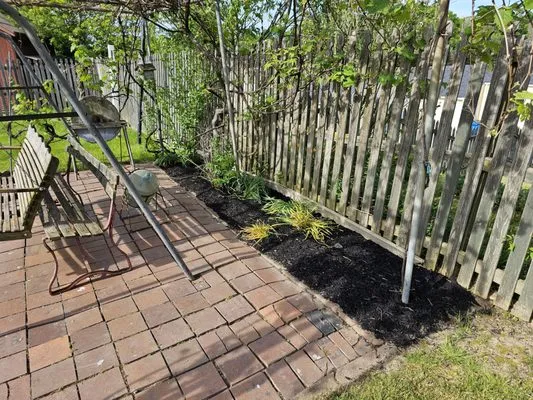
S&R Lawn Care is a trusted local lawn service provider in Greenville, PA, specializing in comprehensive lawn care solutions tailored to the area's specific challenges. We understand that Greenville ho...
72 Six Lawn in Greenville, PA is a licensed, family-owned lawn care and pest control business serving Mercer County. Specializing in both lawn maintenance and pest extermination, they offer services l...

J&J Enterprises Lawn Care Division
J&J Enterprises Lawn Care Division is a family-owned and operated professional lawn care and landscaping company serving Greenville, PA, and Mercer County. Founded by James Chambers, the business was ...
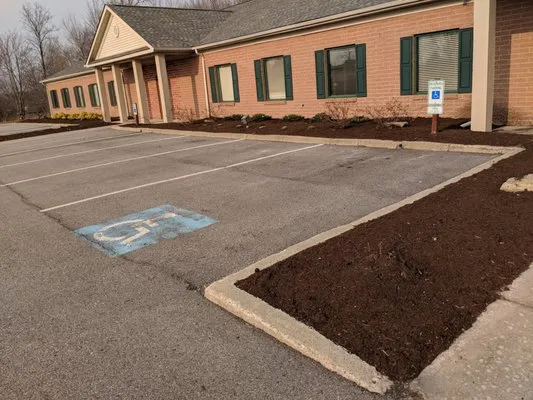
McCann Landscaping is a full-service landscaping company serving Greenville and the surrounding areas. We specialize in transforming outdoor spaces with a comprehensive range of services, from landsca...

Lacey's Landscaping & Tree Service has been a trusted Greenville, PA provider since 1998, building on a foundation that began in New York in 1990. What started as a one-person operation doing work for...
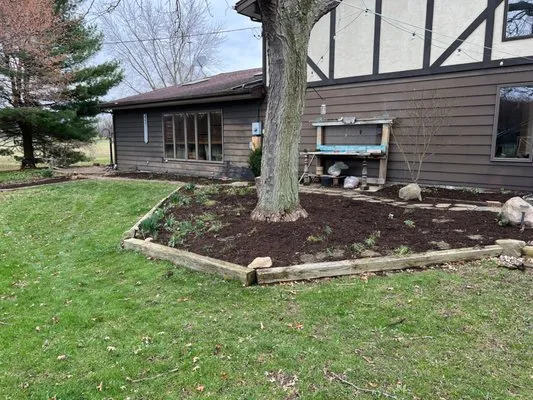
L&L Projects is a locally owned and operated startup in Greenville, PA, bringing experienced professionals to your lawn care, pressure washing, and painting needs. As a small operation, we focus on bu...

Nugent Landscaping is a trusted local landscaping and snow removal company serving Greenville, PA, and the surrounding areas. We specialize in addressing common local landscaping challenges, including...
Q&A
Our patio area becomes a swamp every spring. What's a permanent solution that also looks good?
The issue is high seasonal saturation due to clay-heavy subsoil inhibiting drainage. A functional solution involves installing a permeable base system beneath a new patio. Using Pennsylvania Bluestone set with open-graded joints allows water to infiltrate directly into a gravel recharge bed below, mitigating surface runoff. This design often meets Greenville Borough Planning & Zoning standards for stormwater management and is more effective than simply adding French drains to the perimeter.
We want to regrade our backyard to fix drainage. What permits and contractor credentials should we look for?
Regrading a 0.22-acre lot typically requires an earth disturbance permit from the Greenville Borough Planning & Zoning office to ensure compliance with erosion and sediment control plans. You must hire a contractor licensed by the Pennsylvania Department of Agriculture for pesticide application if soil amendments are needed, and they should carry appropriate landscaping contractor insurance. This licensing ensures they understand the legal and technical requirements for altering site drainage and protecting adjacent properties.
We're comparing a new bluestone patio to a composite wood deck. Which is better for long-term value and safety?
Pennsylvania Bluestone offers superior longevity and lower lifecycle maintenance compared to any wood or composite material. It is non-combustible, which contributes directly to maintaining a Firewise Level 1 defensible space rating by creating a fire-resistant zone around your home. Bluestone also integrates seamlessly with the local geology, does not rot or warp, and when installed with proper permeability, addresses the core drainage hazards of your property.
I'm tired of weekly mowing and noisy gas equipment. What's a lower-maintenance alternative to grass?
Transitioning sections of high-maintenance turf to a xeriscape garden with Pennsylvania natives is a strategic solution. Plants like Common Milkweed, Wild Bergamot, and New England Aster are adapted to our Zone 6a climate and acidic soil, requiring no irrigation once established and no weekly mowing. This reduces fuel consumption and aligns with evolving noise ordinances that restrict commercial gas-powered equipment, while providing superior habitat for pollinators and local biodiversity.
A storm just knocked down a large limb. How fast can a crew get here for an emergency cleanup to avoid HOA fines?
For emergency storm response in the Riverside District, our standard dispatch time is 20-30 minutes during peak hours. The crew will mobilize from our staging area near Riverside Park, taking PA-18 directly to your neighborhood. This rapid response is calibrated to secure hazardous debris, document the site for insurance, and initiate cleanup to meet typical HOA compliance windows, often within 24 hours of a weather event.
With no current water restrictions, can I just set my sprinklers and forget them to keep my Kentucky Bluegrass green?
While Stage 0 means no mandated cuts, inefficient watering wastes resources and harms your lawn. Kentucky Bluegrass and Fine Fescue have specific evapotranspiration (ET) rates. A smart Wi-Fi soil moisture sensor controller is essential; it applies water only when the root zone needs it, preventing overwatering that exacerbates our area's drainage issues. This technology optimizes turf health while keeping your usage well within responsible municipal limits, preparing you for any future restrictions.
I see a fast-spreading vine taking over a garden bed. What is it, and how do I stop it without harming my other plants?
This is likely an invasive species such as Japanese Knotweed or Mile-a-Minute vine, which thrive in disturbed, moist soils. Correct identification is critical before treatment. A licensed professional can apply a targeted herbicide during the plant's active growth phase, adhering to the Pennsylvania Fertilizer Act's required nutrient management plans to prevent runoff into waterways. For organic control, persistent manual removal of the root crown is necessary, but may require several seasons.
Our yard in the Riverside District seems to struggle with water pooling. Is this just bad luck, or is there a reason?
This is a predictable condition linked to your lot's age and soil profile. Properties built around 1962, like many here, have 64-year-old soil that has become heavily compacted from decades of foot traffic and standard maintenance. The native acidic silt loam, while fertile, is underlain by dense clay subsoil common in this area. This combination severely reduces percolation, leading to the seasonal saturation you observe. Correcting it requires core aeration and the addition of composted organic matter to rebuild soil structure and permeability.
