Top Landscaping Services in Glen Rock, PA, 17327 | Compare & Call

Little Dutch Landscaping is a trusted local landscaping company serving Glen Rock, PA, and surrounding areas. We specialize in comprehensive landscape construction and installation services, including...
J-Mar Landscaping
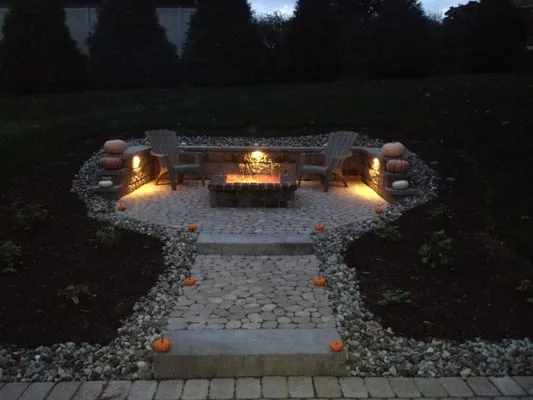
J-Mar Landscaping is a locally owned and operated landscaping company serving Glen Rock, PA, and the greater York County area. Founded as a small residential-focused business, we've grown to handle bo...
Almony's Outdoors
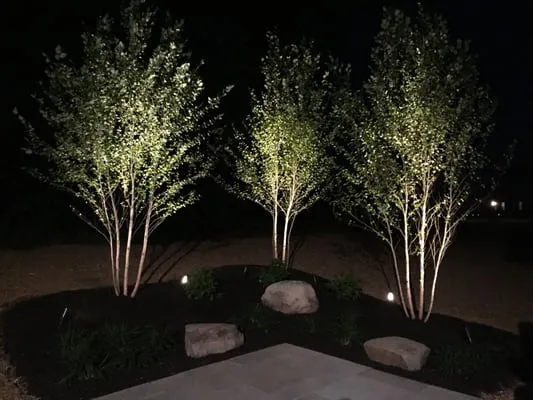
Founded in 1998 by Brian Almony while still in high school, Almony's Outdoors has grown from a one-man lawn service in New Freedom into a trusted, fully insured operation serving Glen Rock, Southern Y...
John's Landscaping & Mowing is a full-service landscaping company serving Glen Rock, PA, and surrounding areas. We specialize in comprehensive landscape solutions, including design, construction, inst...
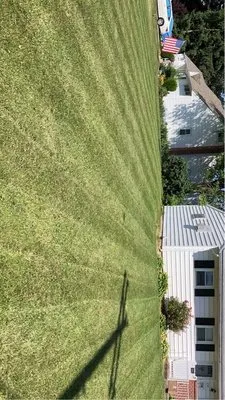
Floyds Lawn Care is a trusted local lawn service provider in Glen Rock, PA, dedicated to helping homeowners maintain healthy, beautiful lawns. We specialize in comprehensive lawn care solutions that d...

Summit Landscape Development
Summit Landscape Development is a licensed landscape design and maintenance company based in Glen Rock, PA, serving residential and commercial clients across the York, Lancaster, and Hanover areas. Th...
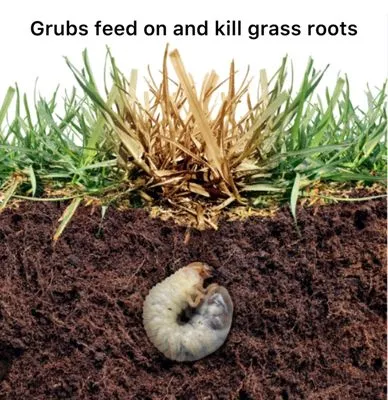
LawnSure is your trusted, local lawn care provider in Glen Rock, PA, dedicated to tackling the area's most common landscaping challenges. We specialize in diagnosing and reviving dead lawn areas cause...
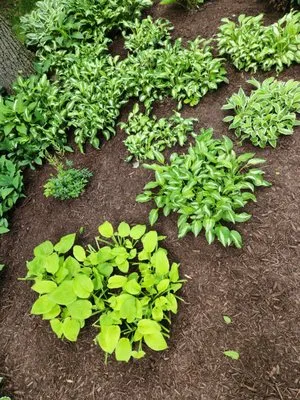
Nate's Lawn Care Services provides reliable, expert lawn care for homeowners in Glen Rock, PA. We understand the common local challenges you face, such as dying shrubs and sprinkler coverage gaps that...
Jay Birds Landscaping and Home Improvement is a trusted local business serving Glen Rock, PA, specializing in landscaping and handyman services. We understand that homeowners in our community frequent...
Webster Lawn Care is your trusted local lawn and property maintenance expert serving Glen Rock, PA. We specialize in comprehensive lawn care, reliable snow removal, and effective gutter services to ke...
FAQs
Our yard has persistent soggy spots and runoff issues, especially in spring. What solutions work with Glen Rock's soil?
Seasonal high water tables and moderate runoff are common in Glenville-Penn Silt Loam due to its naturally dense structure. Solutions begin with improving soil percolation via aeration and adding organic amendments. For directed water management, installing French drains or dry creek beds with river rock is effective. Using permeable Pennsylvania Bluestone for patios or walkways can also reduce impervious surface runoff, helping projects meet Glen Rock Borough Planning & Zoning standards for stormwater management.
I want a green lawn but am worried about water waste and restrictions. What's the modern approach to irrigation?
Modern irrigation relies on smart, Wi-Fi ET-based controllers that automatically adjust watering schedules using local evapotranspiration data. This technology is critical under Pennsylvania's voluntary conservation status, as it applies water only when Tall Fescue turfgrass truly needs it, preventing overwatering. These systems sync with weather forecasts to skip cycles during rain, optimizing municipal water use. This approach maintains turf health within ecological limits, aligning with 2026 standards for resource-efficient landscaping.
We're seeing invasive vines and weeds taking over. How do we manage them without harming the environment or breaking local laws?
Invasive species like Japanese Knotweed or Mile-a-Minute Vine require targeted, professional management. Treatment must comply with the Pennsylvania Fertilizer Act, which restricts phosphorus use on established lawns and has specific application windows. Certified applicators from the Pennsylvania Department of Agriculture employ integrated pest management, starting with mechanical removal and using EPA-registered, selective herbicides only when necessary. This approach controls invasives without violating local ordinances or damaging the soil microbiome and nearby native plants.
We want to regrade our backyard for better drainage. What permits and contractor credentials are required for this work?
Regrading a 0.22-acre lot in Glen Rock typically requires a permit from the Borough Planning & Zoning office, as it alters water flow and potentially affects neighboring properties. The contractor must hold appropriate licensing, notably a Pesticide Applicator Certification from the Pennsylvania Department of Agriculture if soil amendments or treatments are involved. For significant earth moving, verifying insurance and bonding is crucial. This due diligence ensures the work meets municipal erosion control standards and is performed to professional, legally compliant specifications.
We have a major storm coming and need emergency branch cleanup to meet HOA compliance. How fast can a crew get here?
Emergency storm response from our central dispatch at the Glen Rock Mill Inn typically takes 20-30 minutes during peak conditions. The route utilizes I-83 for efficient access to the Glen Rock Historic District. Crews are equipped for rapid debris management and can secure the property to meet local safety ordinances. Communication with the HOA can be coordinated on-site to confirm compliance standards are met before the weather event arrives.
Is Pennsylvania Bluestone a better choice than a wooden deck for a new patio, considering longevity and safety?
Pennsylvania Bluestone offers superior longevity and lower lifetime maintenance compared to wood, which requires regular sealing and is susceptible to rot. As a non-combustible material, bluestone also contributes to defensible space in line with Glen Rock's low Fire Wise rating, an increasing consideration in residential planning. Its natural thermal mass moderates temperature, and when installed with permeable joints, it manages site runoff effectively. The material's durability ensures compliance with long-term property standards without the decay cycle of organic materials.
We're tired of weekly mowing and gas equipment noise. Are there lower-maintenance, eco-friendly alternatives?
Transitioning high-input turf areas to a climate-adaptive xeriscape with Pennsylvania natives is a forward-looking solution. Planting Eastern Redbud, Butterfly Milkweed, New England Aster, and Switchgrass creates a resilient, biodiverse landscape that requires minimal mowing, no fertilizer, and little supplemental water once established. This shift preempts tightening noise ordinances on gas-powered blowers and mowers, as maintenance transitions to quieter, electric equipment and seasonal pruning, aligning with 2026 biodiversity and quiet community goals.
Our 1950s neighborhood seems to have heavy, dense soil. Why is it so hard to grow things here, and what's the best long-term fix?
Glen Rock's Historic District lots, developed around 1957, feature Glenville-Penn Silt Loam. Over nearly 70 years, this soil has become compacted from routine foot traffic and maintenance, reducing permeability and root zone aeration. The natural pH of 6.1-6.5 is suitable for most plants, but the primary issue is physical compaction. Core aeration followed by top-dressing with composted organic matter is the foundational correction. This process improves soil structure, enhances water infiltration, and reintroduces beneficial microbial activity essential for long-term plant health.
