Top Landscaping Services in Gap, PA, 17527 | Compare & Call
There are 168 landscaping companies server in Gap PA
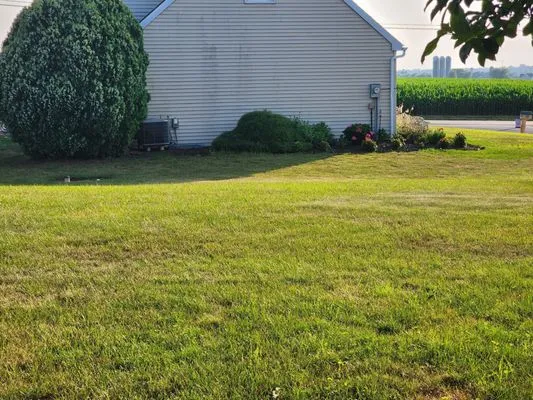
Davido Lawn Care is a trusted local lawn service provider based in East Earl, PA, dedicated to maintaining and enhancing the beauty and health of residential and commercial landscapes. We specialize i...
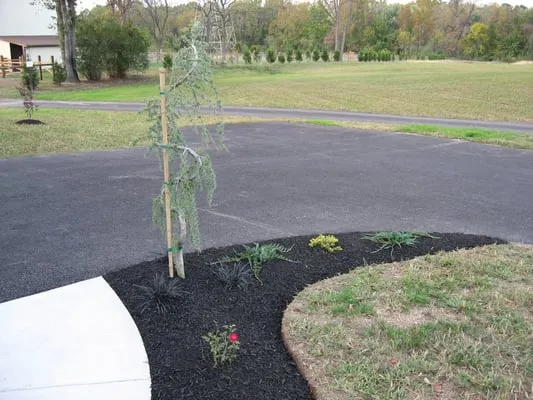
White Bear Landscaping is a trusted, full-service landscaping company serving Birdsboro, PA, and the surrounding communities. We specialize in comprehensive landscape construction and installation, in...

RootLand is a West Chester-based landscaping and snow removal company dedicated to enhancing and maintaining outdoor spaces for local homeowners. We specialize in comprehensive services including land...
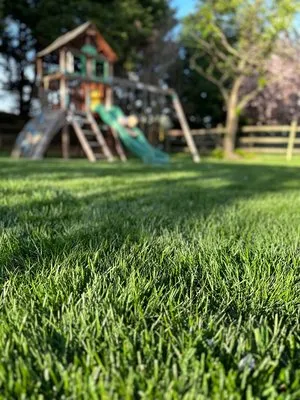
NaturaLawn of America in Coatesville, PA, has been providing environmentally responsible lawn care services since 1987. Our approach focuses on customized programs that reduce pesticide use by 85%, cr...
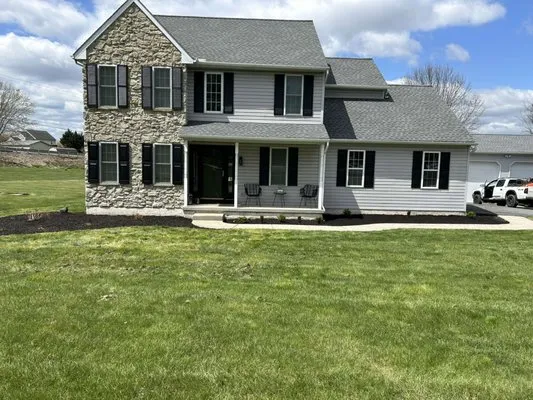
Green Thumb Solutions in Oxford, PA is a locally owned landscaping business founded by James Baker, who brings eight years of hands-on experience to every project. Specializing in landscape design, co...
YMG Landscaping is a family-owned lawn care, tree service, and pressure washing business serving West Grove, PA. We focus on building lasting relationships with local homeowners, working closely with ...

JD Lawn & Landscape is a locally-owned and operated lawn care service founded right here in Phoenixville. Owner Johnny Kettelle started mowing neighbors' lawns in 2014, turning his first summer job in...
AGM Landscaping is a trusted local landscaping company serving Christiana, PA, and surrounding areas. We specialize in comprehensive landscape solutions including landscape maintenance, lawn care, and...
Ninebark Landscaping in Coatesville, PA, is a locally owned landscaping service founded by J. Brandt Rempe, who brings over a decade of specialized experience in custom landscape design and hardscapin...
Frey Site Solutions is a locally owned Honey Brook business built on a foundation of skilled craftsmanship and personal dedication. Founder John Frey, a full-time heavy equipment operator with a stron...
Estimated Landscaping Service Costs in Gap, PA
Frequently Asked Questions
How can I keep my Kentucky Bluegrass lawn green during Gap's voluntary water conservation periods?
Smart, ET-based irrigation systems are the technical solution. They use local weather data to apply water only when evapotranspiration indicates a need, often reducing usage by 20-30%. This precision maintains the cool-season grass blend's health while strictly adhering to municipal water limits. Deep, infrequent watering cycles encourage deeper root growth, enhancing drought tolerance.
I see invasive vines overtaking my shrubs. What's the safe way to deal with them?
Common invasive alerts here include Japanese Knotweed and Mile-a-Minute vine. Treatment requires precise timing. A licensed professional applies EPA-registered herbicides during the plant's active growth phase, strictly following the Pennsylvania Nutrient Management Act to protect waterways. Manual removal is often combined with treatment, followed by seeding competitive native groundcovers to prevent reinfestation.
I want to regrade my backyard for better drainage. What permits and contractor checks are needed?
Regrading a 0.45-acre lot often triggers land disturbance regulations. The Salisbury Township Planning & Zoning Department requires a permit for significant earthmoving to ensure compliance with erosion and sediment control plans. You must verify the contractor holds appropriate licensing through the Pennsylvania Department of Agriculture for pesticide application if needed, and carries general liability insurance. This protects against improper grading that could redirect water onto neighboring properties.
A storm dropped limbs on my property and I need an emergency cleanup to meet HOA rules. How quickly can a crew arrive?
For urgent storm response, dispatch is coordinated from the intersection of PA-41 and US-30. Crews travel via US-30 (Lincoln Highway) into Gap Village, with an estimated arrival window of 20-30 minutes during peak events. This prioritizes safety and compliance, using chippers and electric haulers to manage debris within the township's noise ordinance hours.
Is a Pennsylvania Bluestone patio a better long-term investment than a wood deck for my home?
Pennsylvania Bluestone offers superior longevity and minimal maintenance compared to wood, which requires regular sealing and replacement. Its non-combustible nature also contributes to defensible space in this Low to Moderate Fire Wise rated area, a consideration in the rural-urban interface. Properly installed on a compacted gravel base, a bluestone patio can last for decades with only occasional re-sanding of joints.
My yard has soggy spots every spring. What's a lasting fix for this drainage problem?
Seasonal high water tables and runoff are common in Gap's silt loam soils due to moderate permeability. A graded French drain system can intercept and redirect subsurface flow. For new hardscape, specifying permeable base layers beneath Pennsylvania Bluestone patios increases infiltration, often helping projects meet Salisbury Township Planning & Zoning Department's stormwater management standards.
I'm tired of weekly mowing. Are there lower-maintenance, eco-friendly alternatives for my yard?
Transitioning high-input turf to a climate-adapted xeriscape with native plants directly addresses this. Species like Butterfly Milkweed and Little Bluestem thrive in Zone 6b's acidic soils, require no irrigation once established, and provide critical habitat. This shift also pre-empts tightening noise ordinances by eliminating gas-powered mowing and aligns with electric fleet maintenance trends.
My lawn in Gap Village struggles despite fertilizer. Is the soil just poor here?
Soil health is a legacy issue. Homes built around 1938, like many here, have soils that have matured for nearly 90 years. The prevalent acidic silt loam naturally compacts, reducing oxygen and water infiltration for roots. This necessitates core aeration every 1-2 years and amendments like compost to rebuild structure and microbial activity, moving beyond just nutrient inputs.
