Top Landscaping Services in Farmington, PA, 16220 | Compare & Call
There are 94 landscaping companies server in Farmington PA
Veights Lawn & Home Services is a trusted, locally-owned provider helping Pittsburgh homeowners achieve a healthy, vibrant yard. We understand the common local challenges of patchy, thinning grass and...
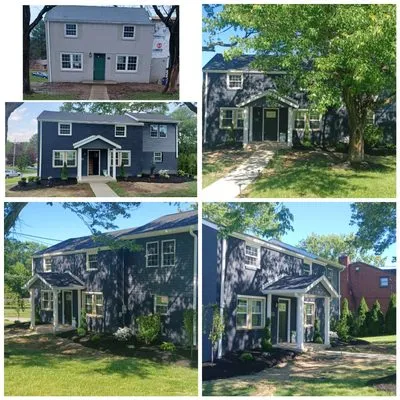
Dub Town Mows is a family-owned landscaping, snow removal, and tree service business serving Brownsville, PA. Founded in 2018 by a local couple after job instability in the oil fields, they turned the...
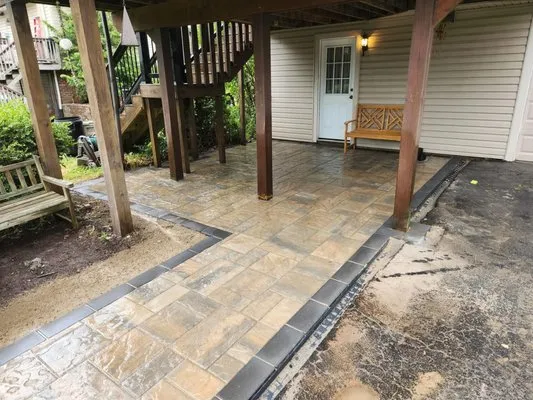
Stacked Hardscapes and Landscaping
Stacked Hardscapes and Landscaping is a full-service landscape and hardscape company founded in 2015 by Jason Roos and Adam Benson, both of whom brought extensive prior experience in the field. Initia...
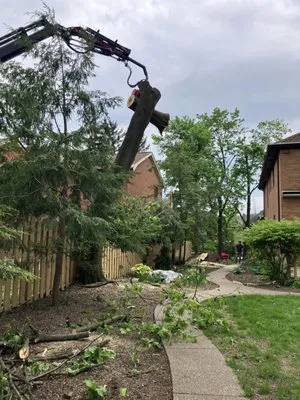
Keystone Tree Techs is a licensed and insured arborist service founded in 2006 by Michael Cashdollar, a USMC veteran and ISA certified arborist. With over 20 years of experience in tree care and lands...
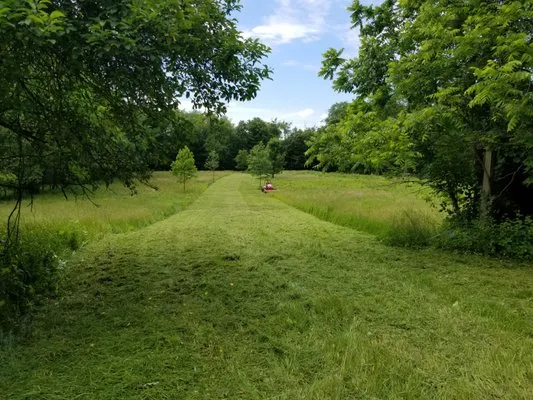
All Terrain Field And Brush Services is a Gibsonia-based land management provider serving the Greater Pittsburgh Area. Specializing in gardening and landscape maintenance, we handle challenging tasks ...
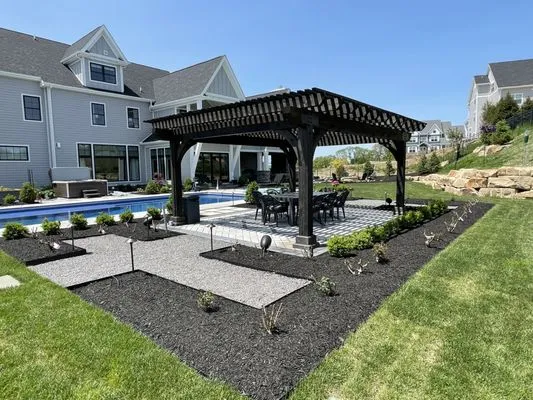
Living Spaces Outdoor Design is a Cranberry Township-based landscape firm founded in 2015, dedicated to planning and implementing comprehensive, custom outdoor solutions. We specialize in transforming...
Nelly's Green Thumb Landscaping is a dedicated, locally-owned landscaping company serving Cranberry Township and the surrounding communities. With a deep understanding of Western Pennsylvania's unique...
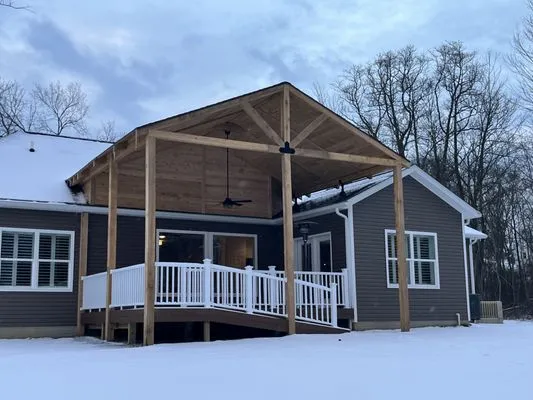
Finley's Outdoor Features
Finley's Outdoor Features is a locally owned and operated business in Fredonia, PA, founded by Josh Finley in 2012. Starting as a one-person operation serving the immediate area, the company has grown...
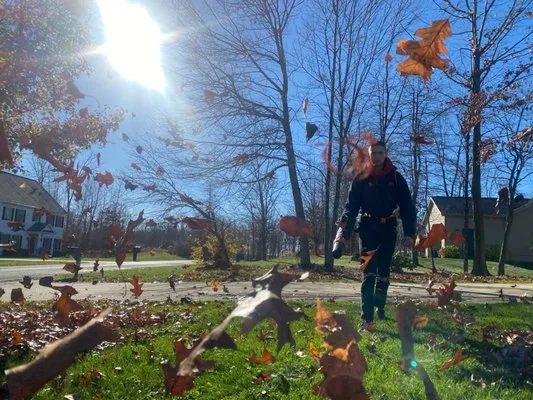
Didn't Wanna Do It Done is a trusted Slippery Rock, PA contractor specializing in landscaping, painting, and pressure washing services. We help homeowners address common local landscaping issues like ...
Joey Joe's Lawn Care is a trusted local lawn service provider in Wexford, PA, dedicated to keeping your outdoor spaces beautiful and functional. We specialize in comprehensive lawn care solutions that...
Estimated Landscaping Service Costs in Farmington, PA
FAQs
Should we install irrigation despite Farmington's abundant water supply?
Smart Wi-Fi soil moisture sensor arrays optimize water use even without municipal restrictions. These systems monitor real-time evapotranspiration rates and soil moisture at multiple depths, delivering precise irrigation only when Kentucky Bluegrass and Fine Fescue blends require hydration. This approach reduces water consumption by 30-50% compared to traditional timer-based systems while maintaining turf health. The technology automatically adjusts for seasonal saturation periods to prevent overwatering.
How does local sandstone compare to wood for patio materials in our climate?
Local sandstone offers superior longevity with minimal maintenance compared to wood alternatives in USDA Zone 6a. Its natural thermal mass moderates temperature extremes while providing permanent structure that doesn't require seasonal treatments. For properties in moderate Wildland-Urban Interface zones, sandstone creates defensible space without combustible materials near structures. Acid-washed concrete provides similar benefits with different aesthetic options, both meeting fire-wise recommendations for residential landscapes.
How quickly can you respond to storm damage that violates HOA landscape standards?
Emergency cleanup crews dispatch from near Fort Necessity National Battlefield via US Route 40, arriving within 45-60 minutes during peak response windows. This routing avoids residential congestion while maintaining compliance with Farmington's general nuisance ordinance during operational hours. Crews prioritize safety assessments before beginning debris removal, particularly for compromised trees near structures. Response timing accounts for seasonal saturation conditions common in our watershed.
Can we reduce lawn maintenance while supporting local ecology?
Replacing high-maintenance turf with native plant communities creates resilient landscapes. Eastern Redbud, Wild Bergamot, Butterfly Milkweed, and Switchgrass establish deep root systems that require minimal irrigation once established. This transition reduces mowing frequency and eliminates gas-powered equipment use ahead of potential noise ordinance expansions. Native plantings support pollinator populations while adapting naturally to USDA Zone 6a climate patterns without chemical inputs.
What permits and licenses are needed for regrading our 0.75-acre property?
Grading projects exceeding 5,000 square feet require erosion and sediment control plans approved by Fayette County Office of Planning, Zoning, and Community Development. Contractors must hold Pennsylvania Department of Agriculture landscape contractor licensing, with additional certification for pesticide application if soil amendments include treated materials. Professional engineering review becomes necessary when altering drainage patterns that affect adjacent properties or municipal systems. These requirements ensure compliance with state nutrient management and local zoning regulations.
What invasive species should we monitor in Farmington Village landscapes?
Japanese knotweed and garlic mustard present significant threats to native plant communities in this region. Manual removal before seed set proves most effective, though targeted herbicide applications may be necessary for established infestations. All treatments must comply with Pennsylvania Nutrient Management Act guidelines regarding application timing and rates. Regular monitoring during early spring growth phases allows for intervention before these species compromise desirable vegetation.
Our yard floods every spring. What solutions work with Farmington's soil conditions?
Gilpin-Wharton Silt Loam's high clay content creates seasonal saturation issues that require engineered drainage solutions. Installing French drains with clean stone aggregate improves subsurface water movement away from structures. Permeable local sandstone or acid-washed concrete pavers in patio areas meet Fayette County runoff standards by allowing infiltration rather than directing water toward storm systems. These approaches address clay-pan compaction while maintaining landscape aesthetics.
Our Farmington Village lawn seems compacted and struggles to absorb water. Is this typical for older properties here?
Properties built around 1954 have 72-year-old soil systems that often exhibit Gilpin-Wharton Silt Loam compaction. This soil type naturally develops a restrictive clay-pan layer that reduces permeability over decades. Core aeration with organic amendments like composted leaf mold addresses this by improving soil structure and increasing oxygen availability to root zones. The neighborhood's original construction methods likely exacerbated this condition through heavy equipment use during development phases.
