Top Landscaping Services in Etna, PA, 15223 | Compare & Call
There are 182 landscaping companies server in Etna PA
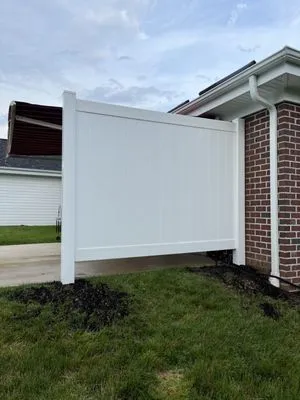
PVT Ryan's Landscaping is a veteran-owned and operated landscaping and home helping contractor proudly serving Butler and the surrounding areas. We provide comprehensive, reliable services for your pr...
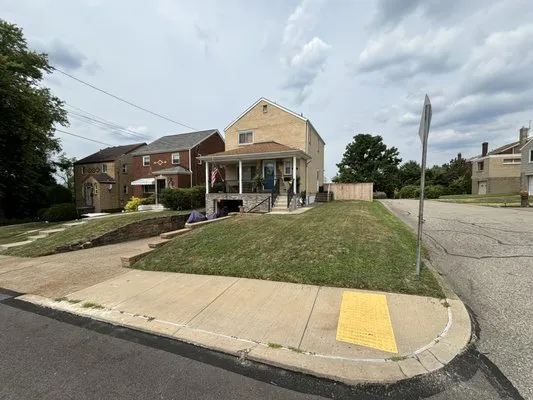
Fairway Landscape is a trusted, full-service landscaping contractor serving Pittsburgh and the surrounding areas. We understand the unique challenges of Western Pennsylvania properties, from dealing w...
Land Works Environmental is a Pittsburgh-based company providing essential landscaping, nursery, and dumpster rental services to help homeowners and businesses maintain their outdoor spaces. We specia...
Aplus Home Helpers is a McKees Rocks-based service provider founded by two dedicated professionals with over 15 years of combined industry experience. One owner brings 10 years of cleaning industry ma...
Tubz Landscaping is a trusted lawn service provider in Pittsburgh, PA, dedicated to solving common landscaping challenges faced by local homeowners. Many Pittsburgh homes struggle with issues like dyi...
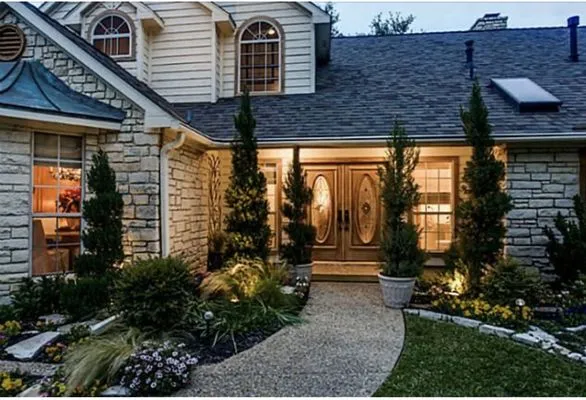
D&L Landscaping is a locally-owned and operated business serving Hazelwood, PA, built on a foundation of hard work and family values. Founded by Dorrell (DC), a carpenter with Local 432, the company b...
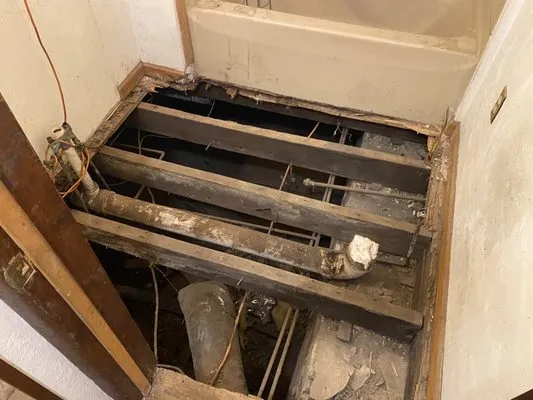
Miskovich Design Homes is a Pittsburgh-based company providing essential home maintenance services to help local residents maintain their properties. We specialize in lawn care and tree care services,...

Grago Lawn Care is a Sewickley-based landscaping and snow removal company founded 18 years ago by owner Patrick with a mission to provide smart, reliable service that makes a difference. Specializing ...
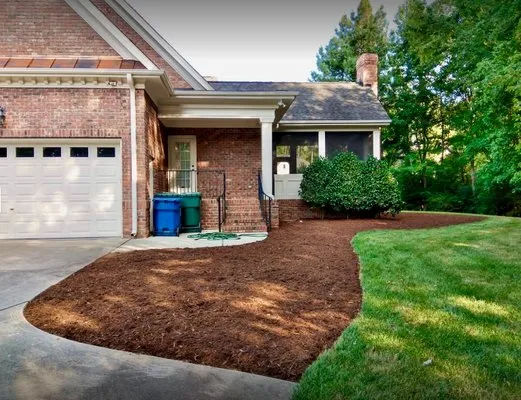
Hunter's Lawn and Snow provides dependable lawn care, snow removal, and tree services for Pittsburgh homes and businesses. As a local team, we understand the specific challenges of Western Pennsylvani...
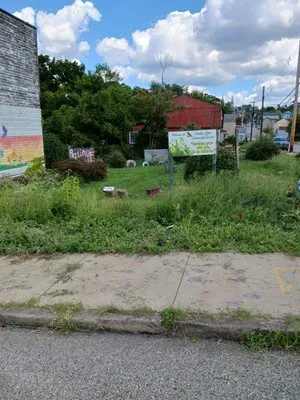
Shaun's Lawns is a trusted, locally-owned lawn and tree care company serving Pittsburgh, PA. We specialize in comprehensive lawn care, tree care services, and pressure washing to keep your property lo...
Estimated Landscaping Service Costs in Etna, PA
Frequently Asked Questions
A storm knocked down a large branch. How quickly can a crew get here for an emergency cleanup?
For urgent situations, we dispatch a crew from our staging area near Etna Riverfront Park. The route via PA-28 allows for a consistent response window of 20 to 30 minutes during peak hours. The crew arrives with a fully equipped electric truck, complying with the borough's noise ordinance for gas-powered equipment, and can immediately begin safe removal and processing of the debris to restore property access.
We want to regrade our backyard for better drainage. What permits and contractor credentials are needed?
Significant regrading on a 0.12-acre lot typically requires an erosion and sedimentation control plan approved by the Etna Borough Planning & Zoning office. The contractor must hold appropriate licensing from the Pennsylvania Department of Agriculture if applying any soil amendments or treatments. For the excavation and movement of earth itself, verifying contractor insurance and bonding is crucial to protect against property damage during the work.
Our yard floods after heavy rain. What's a lasting fix that also meets borough standards?
Floodplain proximity and silt loam soils create high runoff. A multi-point strategy is effective: installing French drains to intercept subsurface water, regrading to direct surface flow away from structures, and using permeable concrete pavers for any new patios or walkways. These pavers allow stormwater to infiltrate on-site, which the Etna Borough Planning & Zoning office encourages to reduce strain on the municipal storm system.
We see a fast-spreading weed with white flowers. How do we handle it safely?
That description matches hairy bittercress, a common winter annual invasive. Manual removal before it sets seed is most effective. For broader infestations, a selective, phosphorus-free herbicide labeled for established lawns can be applied, but timing is critical to avoid the plant's seeding phase. All treatments must comply with the Pennsylvania Department of Agriculture's pesticide licensing rules and local ordinances regarding application.
How do we keep our Kentucky Bluegrass lawn green without wasting water or violating any restrictions?
Modern Wi-Fi ET-based irrigation controllers are the solution. They automatically adjust watering schedules daily based on real-time evapotranspiration data, soil moisture, and local weather forecasts. This system applies only the precise amount of water the turf needs, preventing runoff and deep percolation waste. It maintains turf health within municipal water limits, even during dry spells, by replacing exactly what is lost to the atmosphere.
We're tired of weekly mowing and gas-powered noise. Are there lower-maintenance alternatives?
Transitioning areas of high-maintenance turf to a planting of Eastern Redbud, Purple Coneflower, Swamp Milkweed, and Wild Bergamot creates a resilient, native landscape. These plants require no mowing, minimal watering once established, and provide critical habitat. This shift also future-proofs your property against tightening noise ordinances by eliminating the need for gas-powered blowers and trimmers in those zones.
We're adding a patio. Are permeable pavers worth the extra cost compared to wood?
Permeable concrete pavers offer superior longevity and functionality in our climate. Unlike wood, they won't rot, warp, or require chemical treatments. Their primary advantage is managing the site's water; they reduce runoff and recharge groundwater. While Etna has a low Firewise rating, their non-combustible nature also contributes to defensible space, a consideration for any urban property.
Our lawn has never looked great. Could the soil itself be the problem here in Etna Borough Center?
Etna lots, especially around homes built in the 1930s, have a legacy of acidic silt loam soils. With nearly 90 years of residential use, these soils are often compacted and depleted of organic matter, which restricts root growth and water infiltration. A core aeration program, followed by top-dressing with compost, directly addresses this historical compaction. This process improves soil structure, introduces beneficial microbes, and helps balance the pH for healthier turf.
