Top Landscaping Services in East Pittsburgh, PA, 15112 | Compare & Call
There are 186 landscaping companies server in East Pittsburgh PA
John Henry's Landscaping is a Pittsburgh-based company providing dependable lawn, landscape, and property care services. We specialize in weekly mowing, trimming, and edging with a strong focus on cle...
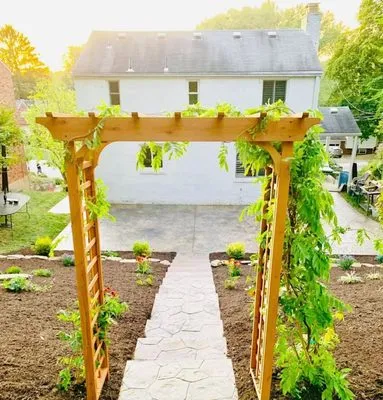
FTC Landscaping
FTC Landscaping is a Pittsburgh-based company with over 15 years of dedicated experience transforming outdoor spaces in our community. We specialize in comprehensive landscape solutions, from initial ...
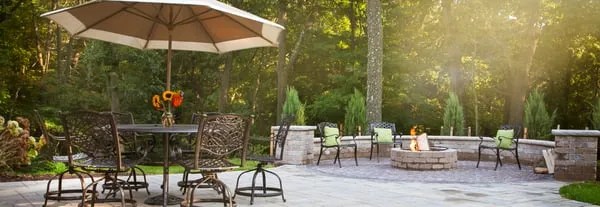
Steel City Landscape
Steel City Landscape has been serving Pittsburgh and southwestern Pennsylvania since 1997, providing reliable lawn maintenance, landscape installation, and snow removal services. As a fully insured co...

Scatena Lawn Care is a family-owned landscaping business serving Pittsburgh, PA, with deep roots in the community. Founded by someone who started working in landscaping as a teenager and later became ...
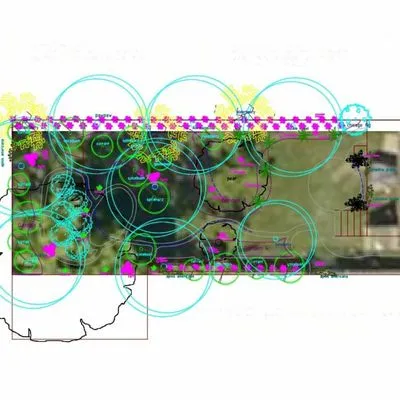
Rosewood Design is a Pittsburgh-based company specializing in transforming outdoor spaces through landscaping, deck construction, and masonry work. We focus on creating custom solutions that fit any b...
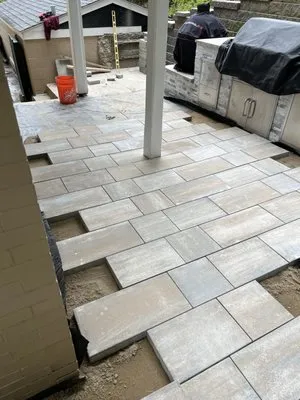
P & W Patios and Walls
P & W Patios and Walls is a trusted Pittsburgh landscaping contractor specializing in durable patio installations, retaining walls, and pressure washing services. We understand the unique challenges f...
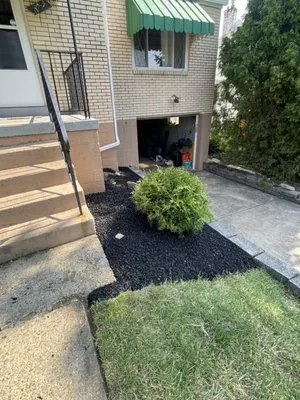
L & N Landscaping is a trusted lawn care provider serving Pittsburgh, PA homeowners. We specialize in comprehensive lawn care services designed to address common local landscaping challenges. Many Pit...
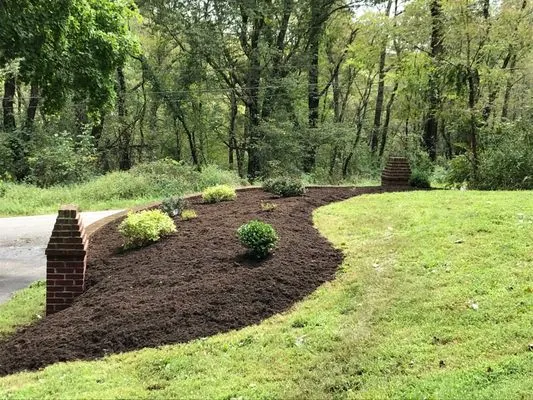
Perennial Yard is a fully insured Latrobe landscape company focused on residential properties. Our approach combines thoughtful design with attentive maintenance, offering services from initial irriga...
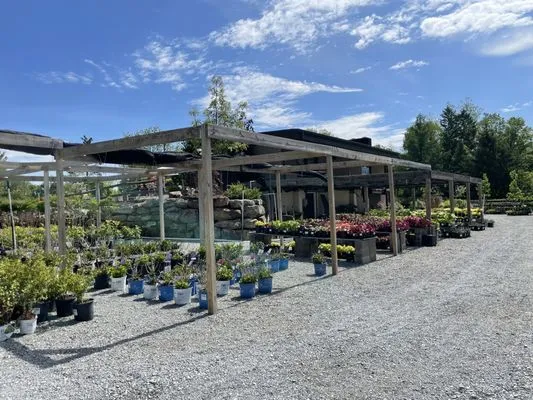
For over 50 years, Plumline Nursery has been a cornerstone of the Murrysville community, rooted in the vision of founder Bill Tribou. What began in 1974 as a small, evenings-and-weekends operation gro...
TeamTurf is a locally owned and operated lawn care and pest control company serving Moon Township, PA, and surrounding areas. Founded in 2006 by Mark Conklin and Randy Hazer, the business brings over ...
Estimated Landscaping Service Costs in East Pittsburgh, PA
Question Answers
What invasive species should I watch for, and how do I deal with them safely?
In our area, watch for invasive plants like Japanese knotweed, garlic mustard, and tree-of-heaven. Manual removal for young plants is most effective. For mature infestations, targeted herbicide application by a licensed professional is often necessary. All treatments must comply with the Pennsylvania Fertilizer Act, which restricts phosphorus application and mandates specific applicator licensing to protect local waterways from nutrient runoff.
Will a smart irrigation system waste water on my Kentucky Bluegrass blend?
A properly configured ET-based smart irrigation system is the most water-efficient method for maintaining a cool-season turf blend. It uses local weather data to apply only the water lost to evapotranspiration, preventing overwatering. Even with no active municipal restrictions, this technology conserves our watershed and promotes deeper root growth, making your lawn more resilient during dry periods common in Zone 6b.
My yard floods after heavy rain. What's a long-term solution for this soggy soil?
High runoff in East Pittsburgh is typically caused by the dense clay subsoil beneath the surface silt loam, which prevents infiltration. Solutions focus on improving permeability: installing French drains, creating rain gardens with native species, and using permeable paving materials like the region's Pennsylvania Bluestone. These methods manage stormwater on-site, which aligns with borough runoff standards and protects your foundation.
I'm tired of weekly mowing. Are there lower-maintenance, eco-friendly options?
Transitioning high-input turf areas to a planting of native species like Monarda fistulosa, Asclepias syriaca, and Solidago canadensis significantly reduces maintenance. This established meadow or garden requires no mowing, minimal watering, and supports local pollinators. It also future-proofs your property against tightening noise ordinances that restrict gas-powered equipment, as these plantings are maintained with quieter, electric tools.
How quickly can you respond for an emergency storm cleanup to avoid HOA fines?
For urgent HOA compliance or post-storm emergencies, our dispatch from the East Pittsburgh Borough Building allows a peak response time of 20-30 minutes. We route via I-376 for the most direct access to Electric Heights. Our fleet includes electric-capable equipment that can operate within the 7:00 AM to 9:00 PM noise ordinance window for immediate debris management and safety mitigation.
Do I need a permit to regrade my small backyard, and what kind of contractor should I hire?
Yes, significant regrading on a 0.12-acre lot typically requires a permit from the East Pittsburgh Borough Planning & Zoning office to ensure proper stormwater management and adherence to lot coverage rules. You must hire a contractor licensed by the Pennsylvania Department of Agriculture for pesticide application if soil amendments or treatments are involved, and one insured for earthwork to address liability for subsurface changes and potential neighbor impacts.
Is Pennsylvania Bluestone a better patio choice than wood decking for longevity?
Pennsylvania Bluestone and concrete pavers offer superior longevity and lower lifetime maintenance compared to wood, which requires regular sealing and is susceptible to rot. In our humid climate and acidic soil, stone is inert and stable. For all properties, including those in low Firewise risk zones, these non-combustible materials also contribute to defensible space by not providing fuel, adding a layer of safety to their practical benefits.
My lawn in Electric Heights seems thin and compacted. Is this related to the age of our homes?
Properties built around 1956, like many in Electric Heights, have soils with a 70-year development history. The acidic silt loam common here has experienced decades of compaction from construction and foot traffic, reducing permeability for air and water. This history explains the poor percolation and thin turf you observe. Core aeration and incorporating composted organic matter are critical first steps to rebuild soil structure and biological activity.
