Top Landscaping Services in East Lampeter, PA, 17505 | Compare & Call
There are 191 landscaping companies server in East Lampeter PA
For over eighty years, ERB Brothers Landscaping has been a trusted name in Lititz and across South Central Pennsylvania, specializing in designing, creating, and maintaining exterior environments for ...

Top Dog Lawn Services is a trusted, locally-owned lawn care provider based in Ronks, serving Lancaster County and surrounding communities. We specialize in transforming and maintaining healthy lawns t...
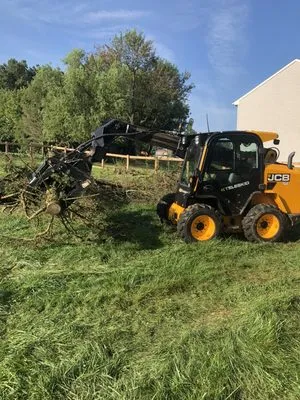
Smucker Farm Lawn Care
Smucker Farm Lawn Care is a trusted, family-owned business serving Bird in Hand and the surrounding Lancaster County area for over 13 years. We started by helping friends with their business propertie...

RP Nurseries
RP Nurseries is a family-owned garden center and landscape service provider in Kennett Square, PA, with deep roots dating back to 1866. Originally founded as the Rakestraw Pyle Company, we started by ...
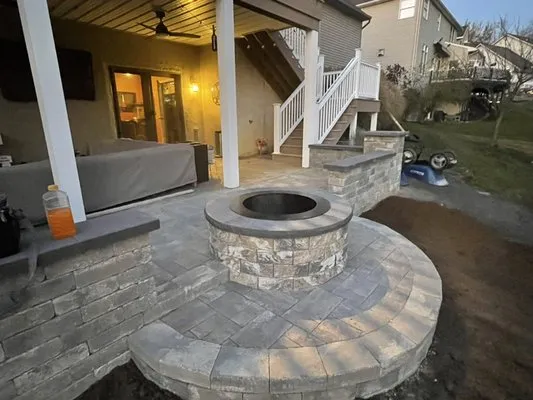
Work Of Art Landscape is a trusted landscaping company based in Palmyra, PA, with over 20 years of experience serving Harrisburg and Lebanon counties. We specialize in a comprehensive range of service...
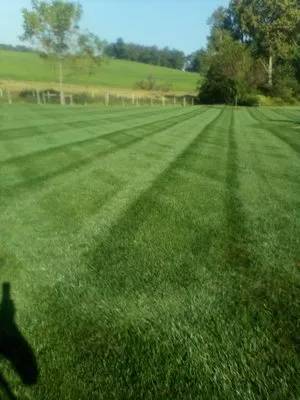
Northern Slope Property Care is a family-owned and operated business in Christiana, PA, dedicated to helping homeowners and businesses create and maintain beautiful, functional outdoor spaces. With a ...
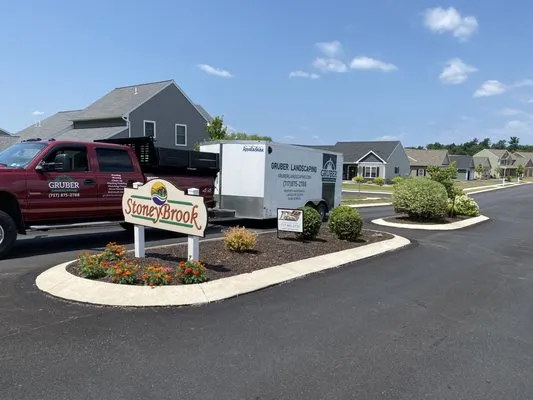
Gruber Landscaping is a licensed and insured landscaping company serving commercial and residential clients throughout central Pennsylvania, including Bainbridge. We specialize in comprehensive lawn c...
Handyman and Landscaping Services LLC is a Valley Green-based company offering comprehensive home improvement and landscaping solutions. We specialize in appliance repair, handyman assembly, door inst...
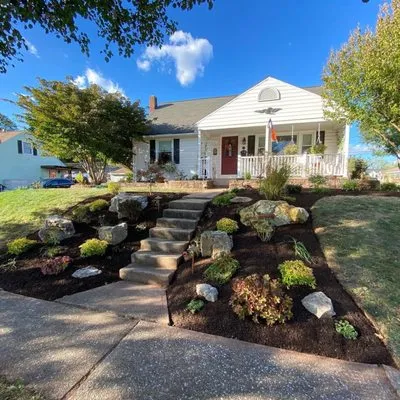
Zeager Landscape Designs & Nursery
Zeager Landscape Designs & Nursery is a family-owned business with deep roots in Central Pennsylvania, serving the Bainbridge community and surrounding areas since 1984. For nearly four decades, our t...
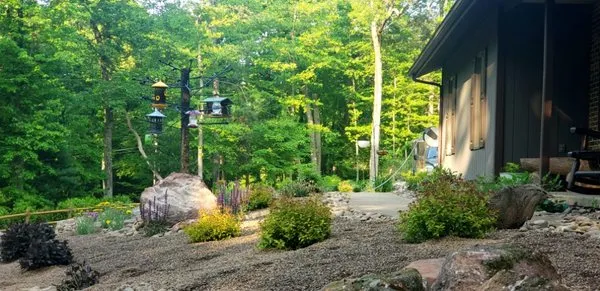
Pondscapes and Patios has been a trusted landscaping partner for Lebanon, PA homeowners and businesses since 2012. We specialize in creating beautiful, functional outdoor spaces through custom hardsca...
Estimated Landscaping Service Costs in East Lampeter, PA
FAQs
What permits and licenses are needed for a major landscaping project on my property?
Significant regrading, drainage work, or structural walls on a 0.35-acre lot typically requires a permit from the East Lampeter Township Planning and Zoning Department. Furthermore, any application of pesticides or contracted work exceeding $5,000 must be performed by a company registered with the Pennsylvania Department of Agriculture under the Home Improvement Consumer Protection Act. Verifying this licensing is crucial for liability and quality assurance.
How quickly can you respond to an emergency like a storm-downed tree?
For urgent HOA compliance or safety issues, our electric fleet dispatch from the Kitchen Kettle Village area allows a peak response time of 20-30 minutes. Using US Route 30 for primary access, we can navigate to most Lincoln addresses efficiently. This rapid response is facilitated by our battery-powered equipment, which complies with noise ordinances and can operate immediately upon arrival.
Is it possible to have a green lawn while following water conservation guidelines?
Yes, using smart Wi-Fi ET-based irrigation controllers is the standard for efficiency. These systems adjust watering schedules daily based on local evapotranspiration data, rainfall, and soil moisture. This technology applies water only when and where your Kentucky Bluegrass and Tall Fescue blend needs it, often reducing usage by 20-30%. This precision keeps turf healthy while adhering to East Lampeter's voluntary conservation status.
How should I deal with invasive weeds like Japanese Knotweed without harming my garden?
Invasive species require a targeted, multi-season strategy. For perennial weeds, precise cut-stem herbicide applications in late summer are most effective. All treatments must be performed by a licensed professional adhering to the Pennsylvania Nutrient Management Act, which regulates timing and proximity to waterways. This prevents chemical runoff and protects the long-term health of your soil biome.
Is Pennsylvania Bluestone a better choice than composite decking for a new patio?
For durability and ecological function, bluestone is superior. Its natural thermal mass moderates temperature, and when dry-laid with permeable joints, it supports soil moisture exchange. Unlike wood or composites, stone is non-combustible, contributing to defensible space in any setting. With proper installation, a bluestone patio requires minimal maintenance and will last for decades.
Why does my Lincoln neighborhood soil seem so dense and tired?
Homes built around 1978, common here, have soil nearly 50 years in development. Over decades, foot traffic and standard construction practices have compacted the native acidic silt loam, reducing pore space and oxygen for roots. This compaction, combined with a clay-heavy subsoil, severely limits soil percolation and nutrient availability. Core aeration and amendments like composted leaf mold are necessary to rebuild soil structure and biological activity.
My yard holds water after heavy rain. What's a long-term solution?
Moderate runoff is typical in East Lampeter due to compacted, clay-heavy subsoil beneath the silt loam. A functional solution combines subsurface French drains with strategic regrading to direct water away from foundations. For new patios or walkways, specifying permeable installations of Pennsylvania Bluestone can significantly reduce surface runoff, helping projects meet township stormwater management standards.
What are lower-maintenance alternatives to my traditional lawn?
Transitioning sections of turf to a native plant palette builds resilience. Species like Eastern Redbud, Butterfly Milkweed, New England Aster, and Switchgrass are adapted to Zone 6b conditions and require no fertilization or weekly mowing. This xeriscaping approach conserves water, supports pollinators, and reduces dependency on gas-powered equipment, aligning with evolving noise and emission regulations.
