Top Landscaping Services in East Hopewell, PA, 17302 | Compare & Call
There are 129 landscaping companies server in East Hopewell PA
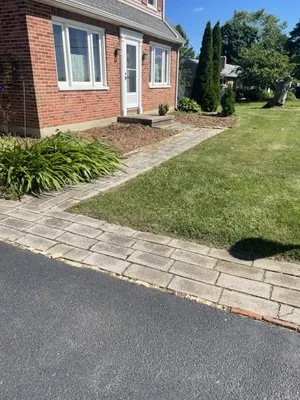
Smallwoods Lawn Care is a trusted local lawn service provider in Dover, PA, dedicated to helping homeowners achieve healthy, vibrant lawns. We specialize in comprehensive lawn care solutions that dire...
Wagners Lawn & Landscape is a trusted, locally-owned landscaping company serving homeowners and businesses across York, PA. We understand the common local challenges that can affect your property's he...
A&K Landscaping and Property Services is a full-service landscaping and property management company serving York, PA. We specialize in comprehensive solutions including irrigation design and repair, l...
P&S Landscape is your local Red Lion partner for maintaining and enhancing your outdoor space. We focus on practical, reliable services like mulching, flower bed cleaning, and garden maintenance to ke...
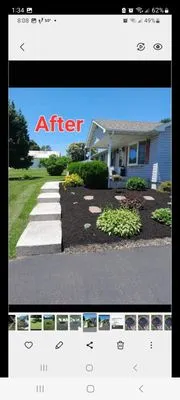
Tanner's Landscaping is a trusted local landscaping company serving Jacobus, PA, and the surrounding areas. We specialize in comprehensive landscape solutions, including irrigation repair, landscape c...
Richleaf Landscaping is your trusted local landscaping partner in York, PA, specializing in artificial turf solutions and comprehensive landscape design. We help York homeowners and businesses overcom...
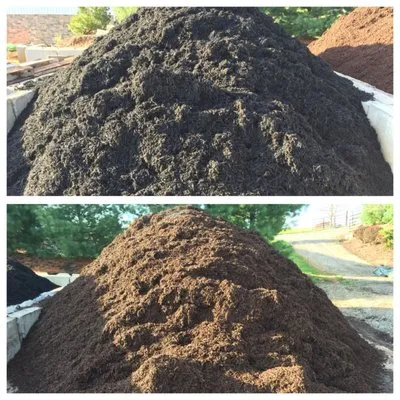
Rudacille's Lawn and Landscaping
Rudacille's Lawn and Landscaping has been a trusted name in Seven Valleys, PA since 1996, founded by Steve Rudacille with support from his father, Lew. Starting with a commitment to quality and person...

Ridgeview Lawn & Landscaping is a locally owned and operated business founded by a Stewartstown High School student and a friend, dedicated to building a future through quality work. We provide compre...
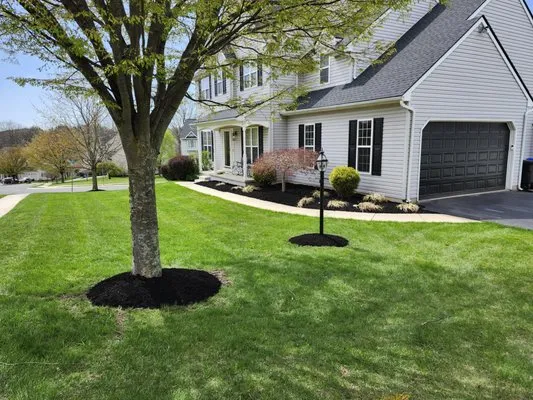
Jake's Property Maintenance is a Stewartstown-based company dedicated to providing reliable and comprehensive outdoor care for homes and businesses in York County. We build our service on strong, last...

A&J Outdoor Services is a trusted lawn care provider in Brogue, PA, dedicated to helping local homeowners maintain healthy, vibrant outdoor spaces. We specialize in comprehensive lawn care solutions t...
Estimated Landscaping Service Costs in East Hopewell, PA
Questions and Answers
What are the most aggressive weeds here, and how do I deal with them safely?
In this area, invasive species like Japanese Knotweed and Garlic Mustard are primary concerns. Manual removal before seed set is most effective. For persistent issues, targeted herbicide application must be performed by a licensed professional in strict compliance with the Pennsylvania Nutrient Management Act, which regulates timing and proximity to waterways to protect the local watershed from chemical runoff.
A storm brought down a large limb. How quickly can a crew arrive for an emergency cleanup?
For emergency storm response in East Hopewell, our standard dispatch time is 25-35 minutes during peak hours. Crews are typically staged near major corridors; a unit from the Hopewell Community Park area would take I-83 to your neighborhood. This rapid response is critical for clearing roads and driveways to meet HOA or municipal safety compliance deadlines following severe weather events.
Why is my soil so hard and dense after winter, and what can I do about it?
Properties in Hopewell Estates, built around 1986, have 40-year-old landscaping on naturally acidic silt loam. Decades of foot traffic and mowing have compacted the topsoil, reducing its percolation rate. This seasonal compaction impedes root growth and water infiltration. A core aeration in early spring, followed by a top-dressing of compost, will introduce organic matter and improve soil structure for the entire season.
Is Pennsylvania Bluestone a good choice for a new patio compared to composite decking?
Pennsylvania Bluestone offers superior longevity and permeability compared to wood or composite materials. Its mineral composition withstands freeze-thaw cycles in Zone 6b without warping or rotting. For a low Fire Wise rating area, its non-combustible nature also contributes to defensible space. A properly installed dry-laid bluestone patio allows for groundwater recharge, addressing local runoff concerns more effectively than solid surfaces.
My yard collects water after heavy rain. What's a long-term solution?
Moderate runoff is common here due to soil compaction. A sustainable solution involves regrading to create subtle swales and installing a dry creek bed with Pennsylvania Bluestone. This permeable material allows water to infiltrate while managing surface flow. Such designs often require a review by the Hopewell Township Planning & Zoning Department to ensure they meet updated stormwater management standards for residential lots.
How can I keep my lawn green without wasting water or violating restrictions?
While East Hopewell is currently in Stage 0 water restrictions, proactive conservation is key. A Wi-Fi ET-based irrigation system uses local weather data to apply only the water your Kentucky Bluegrass and Tall Fescue blend has lost to evapotranspiration. This technology prevents overwatering, which is a primary cause of fungal disease and nutrient leaching in our acidic silt loam, ensuring turf health within municipal guidelines.
What should I verify before hiring a company to regrade my yard or install a patio?
For any significant grading or hardscape project on a 0.35-acre lot, confirm the contractor holds a current Pesticide/Landscape license from the Pennsylvania Department of Agriculture. Furthermore, projects altering drainage often require a permit from the Hopewell Township Planning & Zoning Department. Hiring an unlicensed entity for this work can void your homeowner's insurance and result in code violations if runoff negatively impacts adjacent properties.
I'm tired of weekly mowing and noisy gas blowers. Are there lower-maintenance options?
Absolutely. Transitioning perimeter zones to a native plant community using Eastern Redbud, Switchgrass, Butterfly Weed, and New England Aster drastically reduces maintenance. These plants require no fertilization, minimal water once established, and no weekly mowing. This shift aligns with evolving local noise ordinances that restrict gas-powered equipment and supports higher biodiversity with deep-rooted systems that improve soil health.
