Top Landscaping Services in East Buffalo, PA, 17837 | Compare & Call
There are 75 landscaping companies server in East Buffalo PA
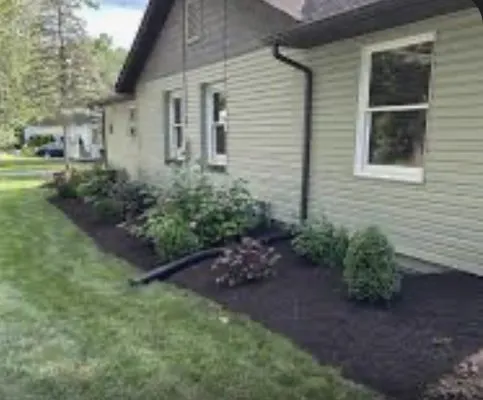
Bradley Keagle is the trusted owner of Bradley’s Mowing in Milton, PA. His business is built on a simple, neighborly promise: the same dedicated care he provides for family and friends is what every c...
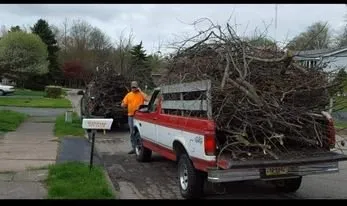
Tim Todd Hauling, a veteran-owned business in Bloomsburg, PA, is your local solution for comprehensive junk removal and property cleanout. We specialize in estate and rental cleanouts, efficiently cle...

Based in Pottsville, PA, SK Repairs and Renovations brings decades of hands-on experience in custom home building, renovations, and hardscaping to every project. While skilled across most building dis...
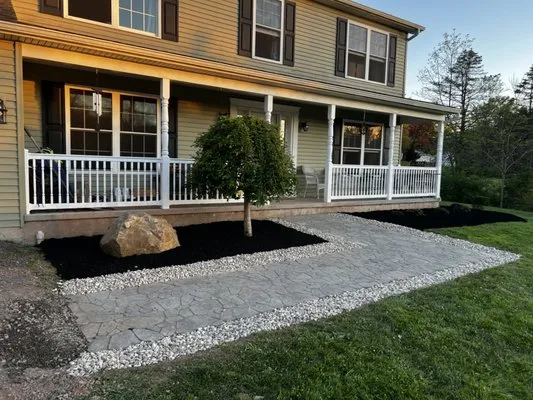
Knelly Lawn Service is a dedicated, locally-owned landscaping company serving Bloomsburg, PA, and the surrounding communities. We specialize in providing dependable lawn care, comprehensive tree servi...
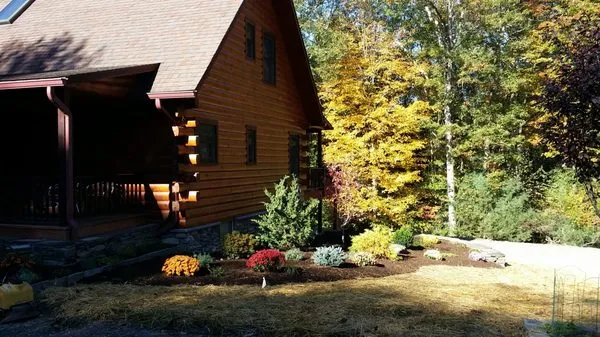
Guardian Scapes is a licensed landscaping company in Bloomsburg, PA, founded by Ellen, whose lifelong passion for flowers and plants evolved into serving the community through artful landscape design....
JZ Cleaning Services LLC is your trusted local provider for comprehensive home and property care in Monroe Township and the greater Selinsgrove area. We specialize in a range of essential services des...
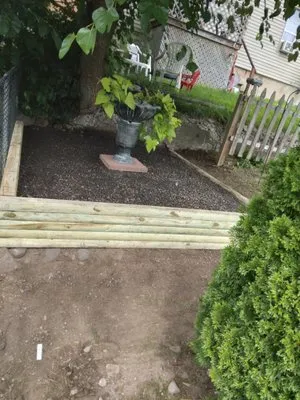
Best Buds Landscaping is your Danville, PA partner for creating and maintaining beautiful, functional outdoor spaces. We understand the local challenges homeowners face, like inefficient irrigation sy...
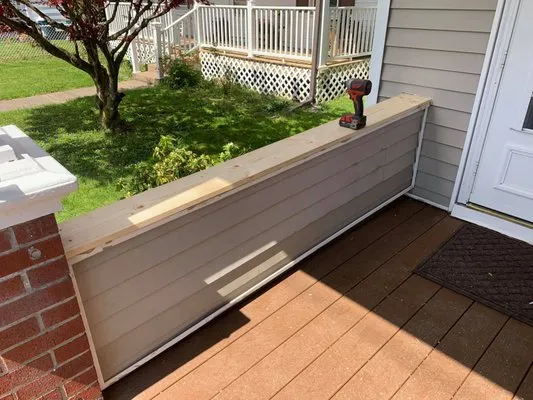
Heath's Home and Lawn is a trusted landscaping company serving Danville, PA, with comprehensive outdoor care and home improvement solutions. We specialize in professional lawn care, landscape design, ...

Something Green Services is a locally owned family business in Elysburg, PA, with deep roots in the community. Founded by a handyman trained by his father—who has over 40 years of construction experie...
JNS Pro Services is your trusted local expert in Elysburg, PA, offering comprehensive electrical and landscaping solutions for homeowners. We specialize in tackling common local challenges like tree r...
Estimated Landscaping Service Costs in East Buffalo, PA
Question Answers
Is it possible to have a green lawn while following water conservation guidelines?
Yes, using smart Wi-Fi ET-based irrigation systems. These controllers adjust watering schedules in real-time based on local evapotranspiration data, weather forecasts, and soil moisture sensors. This technology applies water only when and where your Kentucky Bluegrass and Fine Fescue blend needs it, maximizing efficiency. This approach maintains turf health while adhering to voluntary conservation standards and preparing for potential future restrictions.
Why does my lawn seem to struggle compared to newer homes?
Homes in the East Buffalo Historic District, averaging from 1978, have soil that is approximately 48 years old. Over decades, foot traffic and standard mowing have compacted the naturally acidic silt loam, reducing percolation and root depth. This compaction starves the soil of oxygen and limits microbial activity. Core aeration and adding composted organic matter are critical to rebuild soil structure and support healthy turf.
How fast can you respond for an urgent storm cleanup to meet HOA rules?
For emergency compliance, we dispatch from our staging near the Buffalo Valley Rail Trail. Using US-15, we can typically reach properties in the East Buffalo Historic District within the 20-30 minute peak response window. Our electric fleet complies with local noise ordinances, allowing for early morning or late evening work if necessary to meet deadlines after severe weather events.
What are lower-maintenance alternatives to my current grass?
Transitioning sections of lawn to a native plant palette reduces water, mowing, and chemical inputs. Species like Eastern Redbud, Switchgrass, Wild Bergamot, and New England Aster are adapted to Zone 6b and our acidic soil. These plantings require no gas-powered blowers for cleanup, aligning with commercial blower restrictions. They also provide superior habitat, supporting local biodiversity and creating a more resilient landscape.
My yard stays soggy long after rain. What's the cause and solution?
The issue is likely the seasonal saturated clay subsurface common beneath East Buffalo's acidic silt loam. This layer prevents deep percolation, causing surface water to pool. Solutions include installing French drains or dry wells to intercept water. For patios or walkways, using permeable setts of Pennsylvania Bluestone can reduce runoff and help meet Borough Planning and Zoning Department standards for stormwater management.
What permits or licenses are needed to regrade my backyard?
Significant grading on a 0.25-acre lot often requires a permit from the East Buffalo Borough Planning and Zoning Department to ensure proper erosion control and drainage. Furthermore, the application of any soil amendments or treatments as part of that work must be supervised by a professional holding a Pesticide Applicator Certification from the Pennsylvania Department of Agriculture. This licensing ensures safe, legal handling of materials that could impact groundwater or adjacent properties.
How should I deal with invasive weeds without harming my lawn?
First, identify the threat; common alerts here include Japanese Knotweed or Garlic Mustard. Treatment focuses on selective, manual removal or targeted organic herbicides applied by a licensed professional. Crucially, any fertilizer application must comply with the Pennsylvania Fertilizer Act, which strictly limits phosphorus use. This ensures treatments are effective for plant health without violating nutrient runoff regulations or harming soil biology.
Is Pennsylvania Bluestone a good choice for a new patio?
Pennsylvania Bluestone is an excellent, durable choice for our climate. Compared to wood, it offers far greater longevity with minimal maintenance and is non-combustible. For properties in low Fire Wise urban interface zones, using bluestone for patios or pathways helps create the required defensible space by replacing flammable organic mulch or vegetation near structures with an inert, stable material.
