Top Landscaping Services in Eagleville, PA, 19403 | Compare & Call

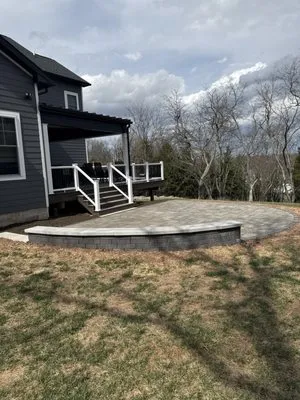
New Look Landscaping is a full-service Eagleville landscaping company dedicated to solving common local yard problems. Many homes in our area struggle with issues like standing water due to poor drain...
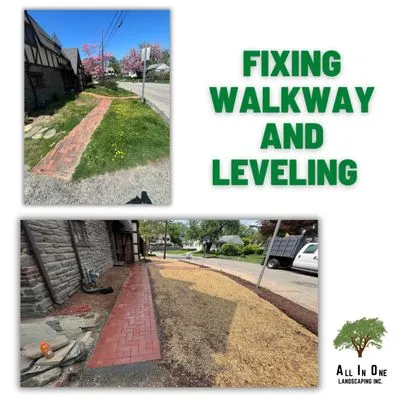
All In One Landscaping & Hardscape & Masonry is a specialized contractor based in Eagleville, PA, dedicated to creating high-end, custom outdoor living spaces for Montgomery County homeowners. Our wor...
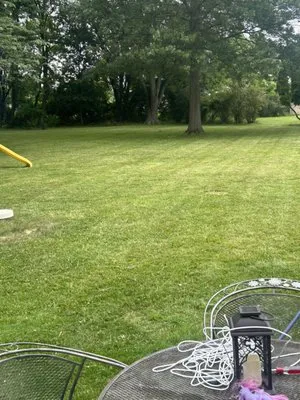
Browns Total Home Solutions is a locally owned and operated landscaping company serving Eagleville, PA, and surrounding communities. With expertise in comprehensive outdoor services, they specialize i...
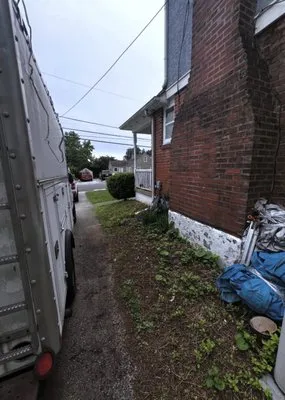
Fitz Elite Landscaping is a trusted local landscaping and design firm serving Eagleville, PA homeowners with expert solutions for common outdoor challenges. We specialize in comprehensive landscape de...

Rogers Landscaping LLC is a locally owned and operated business serving Eagleville, PA, and surrounding Eastern Pennsylvania and New Jersey communities since 2003. Founded by Mr. Rogers, who grew up l...

J&E Landscaping is a trusted, locally-owned landscaping company serving Eagleville, PA, and the surrounding communities. We specialize in practical, effective solutions for common local yard challenge...
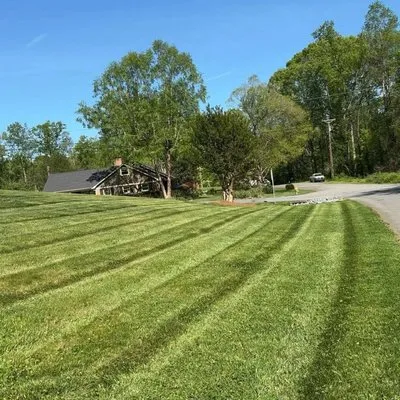
Prestige Land Management is your local, owner-operated land management partner in Eagleville, PA. Founder Ej, a Methacton High School graduate, brings over 15 years of hands-on industry experience to ...
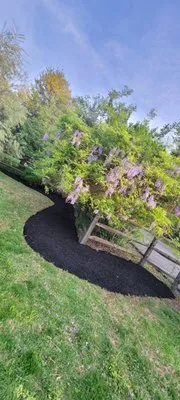
Eddy's Landscaping & Lawn Services
Eddy's Landscaping & Lawn Services is your trusted local expert in Eagleville, PA, providing comprehensive lawn care, tree care, and gutter services. We understand the unique challenges Eagleville hom...
Milo Landscaping is a trusted local landscaping company serving Eagleville, PA, and surrounding communities. We specialize in addressing common local yard challenges, particularly standing water issue...
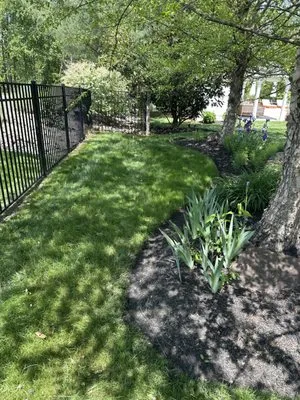
Candia Landscaping is a trusted, full-service landscaping and tree care provider serving Eagleville, PA, and the surrounding communities. We specialize in both routine maintenance and complex tree ser...
Question Answers
What invasive species should I watch for, and how do I control them?
Vigilance is required for Japanese stiltgrass and mile-a-minute vine, which thrive in disturbed soils. Manual removal before seed set is most effective. For persistent issues, targeted herbicide application in fall must carefully avoid the local prohibition on phosphorus-containing fertilizers. Always confirm treatment timing does not conflict with any seasonal blackout dates for applications near waterways or sensitive areas to ensure compliance.
Can we have a healthy lawn while following the Stage 1 water conservation rules?
Absolutely. Tall Fescue blends are moderately drought-tolerant, but precise watering is key. Modern smart Wi-Fi controllers use real-time evapotranspiration (ET) and weather data to apply water only when and where the turf needs it, eliminating waste. This technology often reduces total water use by 20-30%, keeping your lawn viable while operating well within voluntary municipal conservation targets through calculated irrigation cycles.
Why does our soil seem so compacted and difficult to work with in Eagleville Heights?
Homes built around 1987, like many in this neighborhood, have soils with nearly 40 years of maturation. The original topsoil was often stripped and replaced, leading to an acidic silt loam layer over dense clay subsoil. This structure, compounded by decades of foot traffic and equipment use, severely limits permeability and root growth. Annual core aeration and the addition of composted organic matter are non-negotiable practices to rebuild soil structure and biological activity in these conditions.
Is there a lower-maintenance alternative to my high-input lawn?
Transitioning perimeter areas to a native plant community is a strategic reduction in resource use. Species like Purple Coneflower, Switchgrass, and Butterfly Milkweed are adapted to our Zone 7a climate and acidic soil, requiring no fertilization, minimal watering once established, and no weekly mowing. This shift also supports 2026 biodiversity goals and pre-adapts your property to evolving noise ordinances that restrict gas-powered blowers and mowers.
Our yard holds water after heavy rain. What's a long-term solution?
Moderate runoff here is typically due to the clay subsoil's slow saturation rate beneath the silt loam. Installing a French drain system to redirect subsurface water is often required. For new patios or walkways, specifying permeable clay pavers increases surface infiltration, which can help a project meet Lower Providence Township's stormwater management standards by reducing impervious cover and mitigating localized ponding.
Are permeable clay pavers a better choice than wood for a new patio?
For longevity and performance in our climate, clay pavers are superior. They offer exceptional freeze-thaw durability, require no sealing or staining, and their permeability directly addresses drainage concerns. While wood decks have a warmer aesthetic, pavers provide a permanent, low-maintenance surface that also contributes to a defensible space consistent with our area's low Fire Wise rating, as they are non-combustible.
How quickly can you respond to an emergency storm cleanup to avoid HOA fines?
For urgent compliance issues, our electric fleet allows dispatch within the restricted noise ordinance hours. A standard route from our staging near Eagleville Park, using US-422, yields a 25 to 35 minute arrival during peak periods. This enables rapid debris removal and branch clearing to meet most neighborhood covenant deadlines following a weather event, prioritizing safety and access restoration.
What permits and qualifications are needed for significant grading or landscape construction?
Any project altering drainage patterns or adding substantial impervious surface on a 0.35-acre lot requires review by Lower Providence Township Planning & Zoning. It is critical to hire a contractor licensed through the Pennsylvania Landscape and Nursery Association (PLNA), as this ensures they carry the requisite insurance and adhere to state-mandated practices for erosion control, guaranteeing the work is both legally compliant and professionally executed.
