Top Landscaping Services in Duncansville, PA, 16635 | Compare & Call
There are 68 landscaping companies server in Duncansville PA
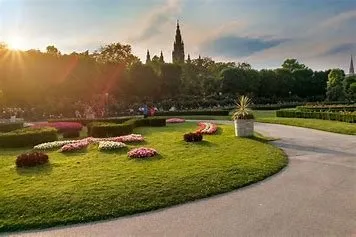
David's Lawn Care Service
For over 25 years, David's Lawn Care Service has been a trusted local provider for homeowners and businesses in Parkhill and the surrounding area. We offer comprehensive commercial and residential law...
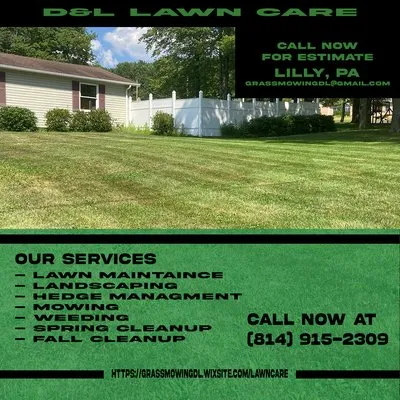
D&L Lawn Care is a locally owned and operated lawn service and snow removal company serving homeowners in Lilly, PA. Founded by neighbors who turned a spontaneous idea into a thriving business, we spe...
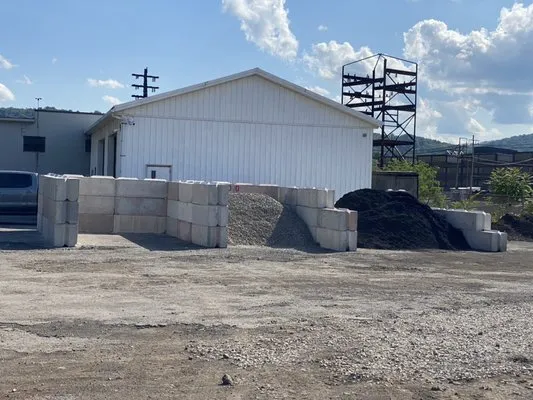
Empire Lawn Care & Seasonal Services is a family-owned and operated business serving Johnstown and the surrounding communities since 1999. For over 25 years, we've built our reputation on reliable, pr...
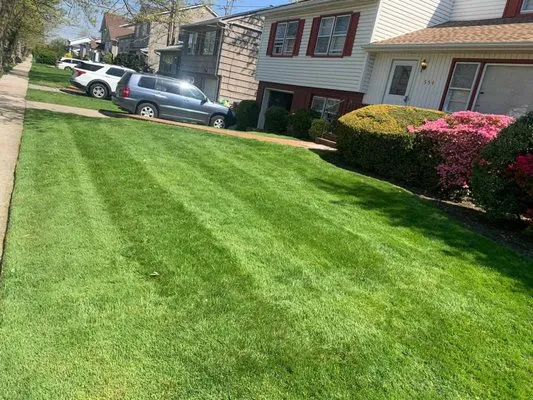
Jack's Commission is a Shanksville-based service run by a local college student offering practical, budget-friendly help with the tasks that homeowners find challenging or simply don't have time for. ...
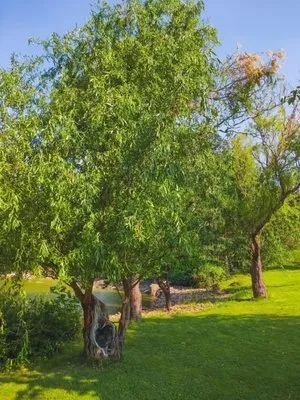
Superior Lawncare is your trusted local expert in Claysburg, PA, providing comprehensive lawn, tree, and pressure washing services. We specialize in resolving common local landscaping challenges like ...
JS Handyman is a trusted local contractor serving Millmont, PA, specializing in roofing, landscaping, and comprehensive handyman services. With a focus on residential needs, we handle everything from ...
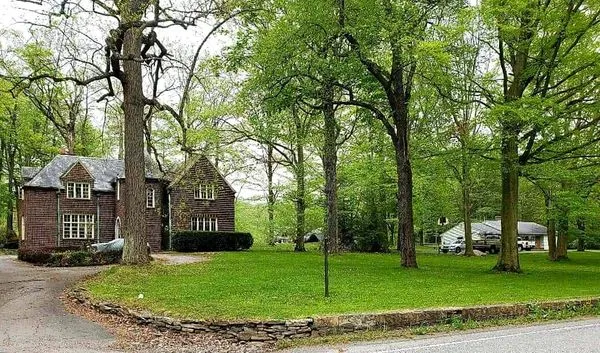
Briggs Outdoor Care is a full-service landscaping company serving the Lilly, PA community. We provide comprehensive lawn and property care, from routine maintenance like mowing and shrub trimming to c...
Velpo Property Services is a family-owned business based in Duncansville, PA, dedicated to providing reliable property maintenance. We specialize in landscaping, roofing, and general contracting servi...
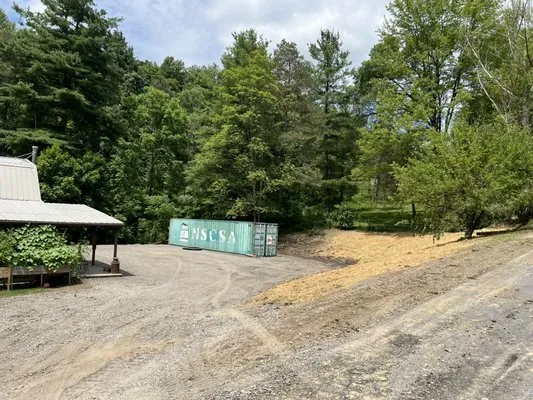
Rider's Outdoor Property Maintenance
Rider's Outdoor Property Maintenance is your trusted, local expert for excavation and lawn care in Port Matilda, PA. We specialize in practical solutions for common area problems like dying shrubs and...
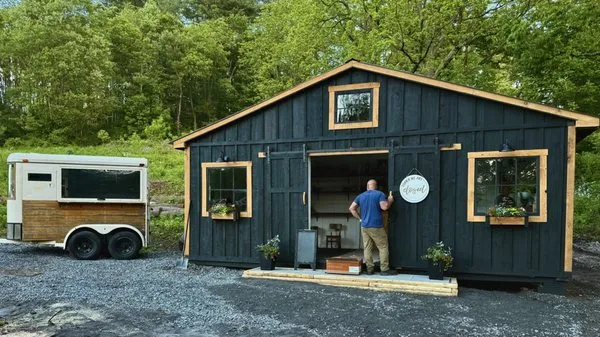
Heritage in Tyrone, PA, is your trusted local partner for tackling common landscaping and property challenges. Specializing in junk removal, hauling, landscaping, and excavation, we directly address f...
Estimated Landscaping Service Costs in Duncansville, PA
Questions and Answers
Why does my Duncansville lawn struggle despite regular care?
Duncansville Borough Center properties average 61 years of soil development since 1965 construction, creating compacted acidic Gilpin-Rayne silt loam with pH 5.5-6.5. This soil profile naturally restricts root penetration and water infiltration over decades. Core aeration every 2-3 years combined with organic amendments like composted leaf mold addresses compaction while maintaining appropriate acidity for native species. Soil testing through Penn State Extension confirms specific amendment needs before application.
Should I install irrigation with Duncansville's voluntary water conservation?
Smart Wi-Fi soil moisture sensor controllers optimize irrigation by tracking evapotranspiration rates and soil permeability in real-time. These systems maintain Kentucky Bluegrass and Tall Fescue blends while reducing water use 30-40% compared to traditional timers. Programming follows Duncansville's voluntary conservation guidelines by skipping cycles after rainfall and adjusting for seasonal demand changes without compromising turf health.
How quickly can you respond to storm damage for HOA compliance?
Emergency cleanup crews dispatch from Duncansville Community Park via I-99, reaching Borough Center properties within 15-25 minutes during peak response windows. Our electric maintenance fleet operates within municipal noise ordinances starting at 7:00 AM for immediate debris removal. We prioritize safety assessments of compromised trees and hardscape elements before clearing pathways to meet insurance documentation requirements.
What permits and licenses are needed for landscape grading work?
Grading on 0.25-acre Duncansville lots requires Duncansville Borough Zoning approval for changes exceeding 2 feet of elevation or affecting drainage patterns. Contractors must hold Pennsylvania Attorney General Home Improvement Contractor registration and Department of Agriculture pesticide certification for any soil amendment applications. Erosion control measures meeting Pennsylvania Chapter 102 regulations must be documented before work begins to prevent sedimentation in nearby watersheds.
Is Pennsylvania Bluestone better than wood for patio construction?
Pennsylvania Bluestone offers superior longevity with 50+ year lifespan versus wood's 15-25 year maximum, requiring minimal maintenance beyond occasional joint sand replenishment. Its non-combustible nature supports Duncansville's low fire-wise rating by creating defensible space around structures. Thermal mass properties moderate temperature fluctuations, while natural cleft surfaces provide slip resistance without sealing in residential applications.
How do I manage invasive species without violating local regulations?
Japanese knotweed and garlic mustard present the highest invasive risks in Duncansville's disturbed soils. Manual removal during early growth stages prevents seed dispersal, while targeted glyphosate applications follow PA Nutrient Management Act requirements for timing and concentration. Treatment schedules avoid blackout dates near waterways and coordinate with Duncansville Community Park's management calendar to prevent cross-contamination of native plant communities.
How do I fix persistent runoff issues on my sloped property?
Moderate runoff in Duncansville results from clay subsoil beneath acidic silt loam, creating surface water movement during heavy precipitation. Installing permeable Pennsylvania Bluestone pathways with ¼-inch joints filled with polymeric sand increases infiltration rates. French drains wrapped in non-woven geotextile fabric redirect subsurface water while meeting Duncansville Borough Zoning runoff standards. Grade adjustments of 2% slope away from foundations prevent basement moisture issues.
What are low-maintenance alternatives to traditional lawn grass?
Transitioning high-maintenance turf to native plantings like Eastern Redbud, Mountain Laurel, Butterfly Milkweed, and New England Aster reduces mowing frequency and supports 2026 biodiversity standards. These species thrive in Duncansville's Zone 6b climate with minimal irrigation once established. Electric maintenance equipment for native beds operates quietly within noise ordinance hours while providing habitat for pollinators and reducing seasonal cleanup demands.
