Top Landscaping Services in Delmont, PA, 15626 | Compare & Call
There are 180 landscaping companies server in Delmont PA
Timlin's Handyman Services is a Turtle Creek-based, licensed operation founded on a simple principle: reliable work and clear communication. As a one-man team, owner Timlin is motivated by the satisfa...

I'm Chris Zier, the owner of 1st Class Lawns LLC in Monroeville. I started this business to pursue my passion for lawn care and to build something meaningful for my family, hoping to teach my son the ...
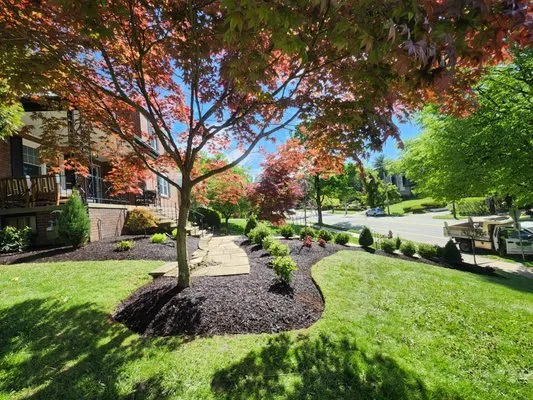
Stockman Lawnscape
Founded by Dave Stockman in 1995, Stockman Lawnscape is a Pittsburgh family business built on integrity and attention to detail. Today, Dave's sons, Sam and Nathan—both Penn State graduates—carry forw...
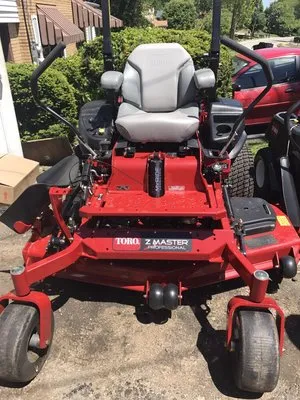
Flawless Landscaping
Flawless Landscaping is a locally owned and operated business serving North Versailles, PA, with comprehensive landscaping and snow removal services. Founded on hard work and community commitment, we'...

J & S Enterprises is a locally-owned tree care and landscaping company serving Murrysville, PA, and surrounding communities since 1996. With 28 years of experience, we specialize in comprehensive tree...
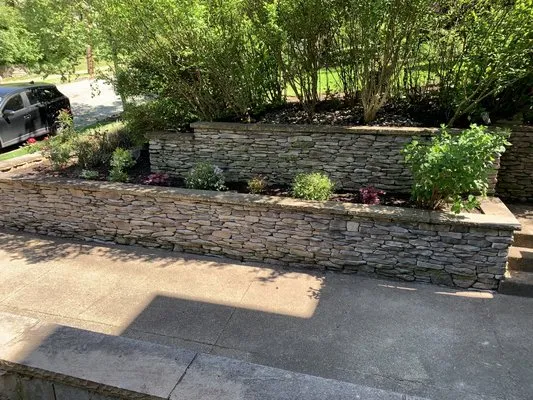
RJK Landscape Designs has been a trusted presence in Pittsburgh's residential neighborhoods since 1997. Founded and led by chief designer Ron Kotcho, the company builds its reputation on a foundation ...

AK Lawn Care & Landscaping is a dedicated, locally-owned business serving the Jeannette community. For over two years, we've been focused on one simple goal: creating beautiful outdoor spaces that bri...
Smith Landscaping and Snow Removal is a trusted, locally-owned Pittsburgh company specializing in year-round property care. We understand the unique challenges faced by local homeowners, such as sprin...

Country Farms
Country Farms is a family-owned garden center and landscape service in Greensburg, PA, established in 1979. Starting as a nursery, it has grown into a full-service provider offering landscape design, ...
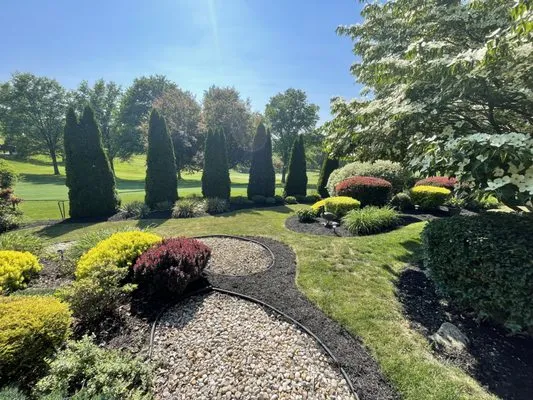
Prokal Landscaping
Prokal Landscaping LLC is a family-owned and operated landscaping company dedicated to serving Pittsburgh and the surrounding communities. With years of hands-on experience, we bring a personal touch ...
Estimated Landscaping Service Costs in Delmont, PA
Questions and Answers
We're tired of weekly mowing. What are lower-maintenance, eco-friendly options?
Transitioning high-input turf areas to a xeriscape with native plants like Eastern Redbud, Purple Coneflower, Switchgrass, and Swamp Milkweed drastically reduces water, mowing, and chemical needs. These species are adapted to Zone 6b and support local biodiversity. This shift also future-proofs your landscape against evolving noise ordinances that may restrict gas-powered blowers and mowers, favoring quieter electric fleet maintenance.
A storm just took down a large limb. How fast can your crew get here for an emergency cleanup?
For emergency HOA compliance or safety cleanups, our dispatch from the Shields Farm area typically routes via US Route 22. Accounting for peak traffic, we maintain a 20-30 minute storm response window for Delmont Borough Center. Crews are equipped with electric chippers and loaders to operate within the local noise ordinance hours (7:00 AM - 9:00 PM), ensuring immediate and compliant service.
What permits or licenses are needed to regrade our backyard and install a retaining wall?
Significant grading or structural work on a 0.35-acre lot typically requires a permit from the Delmont Borough Zoning & Planning Department to ensure compliance with drainage and setback codes. Furthermore, any contractor applying pesticides or performing this work must hold appropriate licensing through the Pennsylvania Department of Agriculture. This ensures the work meets state standards for environmental protection and structural integrity.
How do we keep our lawn green during summer without wasting water?
While Delmont has voluntary water conservation, efficient irrigation is critical. A Wi-Fi ET-based weather-sensing system automatically adjusts watering schedules using real-time evapotranspiration data. This technology applies precise moisture levels needed to sustain Kentucky Bluegrass and Tall Fescue blends, preventing overwatering. This method optimizes municipal water use, maintains turf health during drought stress, and aligns with regional conservation goals.
We have persistent puddling in our yard after rain. What's the solution?
Moderate runoff is common here due to the inherent clay-heavy compaction in Gilpin-Wharton subsoils. Solutions begin with subsoil aeration and installing French drains or dry creek beds to redirect water. For new patios or walkways, using permeable set Pennsylvania Bluestone allows water infiltration, meeting Delmont Borough Zoning & Planning Department's stormwater management standards and reducing surface water flow.
What invasive species should we watch for, and how do we control them safely?
Common invasive alerts in this area include Japanese Knotweed, Tree-of-Heaven, and Garlic Mustard. Manual removal for young plants is effective; established infestations may require targeted, professional herbicide application. All treatments must comply with the Pennsylvania Fertilizer Act, which strictly limits phosphorus use to protect waterways, and any application must be performed by a licensed professional through the Pennsylvania Department of Agriculture.
Is Pennsylvania Bluestone a good choice for a new patio compared to composite or wood?
Pennsylvania Bluestone offers superior longevity and permeability compared to wood or many composites. Its natural density provides a permanent, low-maintenance surface that withstands freeze-thaw cycles in Zone 6b. For properties concerned with fire resilience, bluestone also contributes to defensible space as a non-combustible material, aligning with Standard Residential Compliance Fire Wise ratings by creating a firebreak.
Our yard's soil seems so compacted and tired. Is that just age?
Properties in Delmont Borough Center built around the 1970s average 52 years of soil maturity. This Gilpin-Wharton Silt Loam naturally tends toward a slightly acidic pH (5.5-6.5) and, over decades, develops a clay-heavy, compacted subsoil layer from routine maintenance. This compaction severely restricts root growth and water percolation. Annual core aeration and top-dressing with composted organic matter are essential to rebuild soil structure and porosity for long-term plant health.
