Top Landscaping Services in Dalton, PA, 18414 | Compare & Call

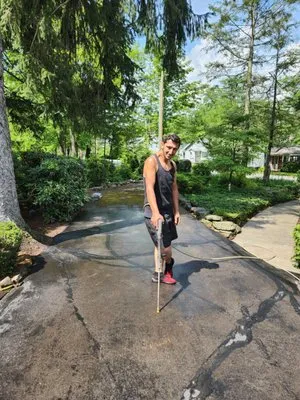
A K Lawn Care is your reliable, local partner for maintaining a clean and vibrant property in Dalton, PA. We are a hard-working team dedicated to delivering quality lawn services and pressure washing ...

The Atlas Group is a trusted landscaping and design firm serving Dalton, PA, and the surrounding Northeast Pennsylvania communities. We understand that local homeowners often struggle with persistent ...
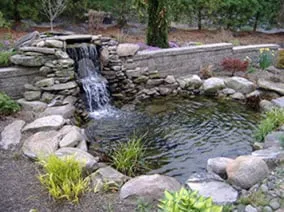
Green Works Landscaping
Green Works Landscaping has been serving the Dalton, PA community since 1989, providing reliable tree services, landscaping, and snow removal. With over 20 years of experience in Northeastern Pennsylv...
Atlas Landscape Contractors is your trusted, local expert in Dalton, PA, specializing in creating beautiful, resilient outdoor spaces. We understand that homeowners here often face challenges like roc...

JC's Landscaping is your trusted, full-service handyman and property care provider in Dalton, PA. We understand that local homeowners often face issues like shifting rock gardens and dying shrubs, whi...
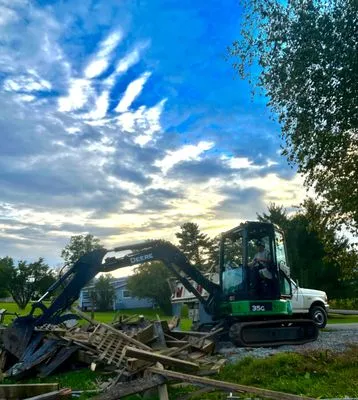
Tench Excavation is a trusted local excavation and landscaping company serving Dalton, PA, and the surrounding areas. We specialize in a comprehensive range of services including soil backfilling, ear...

Stars And Stripes Lawn Services is a trusted local provider in Dalton, PA, specializing in comprehensive lawn care solutions. We understand the common challenges Dalton homeowners face, such as patchy...
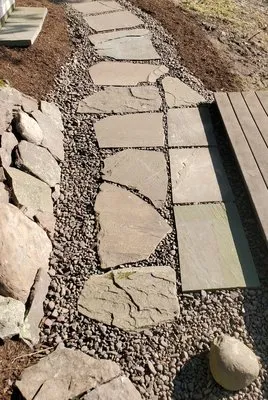
O'Hara Landscaping is a trusted local landscaping company serving Dalton, PA and surrounding communities in Wyoming and Lackawanna County. We provide comprehensive property care including lawn mainten...
Frable Construction is a trusted, full-service contractor serving Dalton, PA, and the surrounding areas. Specializing in roofing, tree services, and landscaping, we provide reliable solutions tailored...
Davis Horticultural Service
Davis Horticultural Service is a trusted landscaping and electrical specialist serving Dalton, PA, and the surrounding communities. We combine expert landscape design with professional electrical serv...
Question Answers
How do I control invasive species without violating fertilizer rules?
Japanese knotweed and garlic mustard pose the highest invasive risks in Dalton's acidic soils. Manual removal before seed set combined with targeted glyphosate applications minimizes chemical use. All treatments follow Pennsylvania Department of Agriculture licensing requirements for pesticide application. Timing avoids blackout dates specified in the phosphorus-free ordinance, with soil testing required before any nutrient supplementation. Organic pre-emergents like corn gluten meal prevent future infestations.
Is Pennsylvania Bluestone better than wood for patio longevity?
Pennsylvania Bluestone outlasts pressure-treated wood by decades, with 50+ year lifespans versus wood's 15-20 years in Dalton's climate. Its non-combustible nature supports moderate Fire Wise ratings by creating defensible space around structures. Properly installed with polymeric sand joints, bluestone maintains permeability while resisting frost heave in USDA Zone 6a. The material's thermal mass moderates microclimate temperatures, reducing irrigation demand for adjacent plantings.
What permits and licenses are needed for landscape grading work?
Grading on 0.45-acre lots requires Dalton Borough Zoning and Planning Office approval for changes exceeding 100 cubic yards of earth movement. Contractors must hold Pennsylvania Department of Agriculture pesticide applicator licensing if treating vegetation during the process. Professional engineering certification becomes necessary when modifying drainage patterns affecting neighboring properties. These regulations ensure proper erosion control and prevent downstream sedimentation in Dalton's moderate runoff environment.
How quickly can you respond to storm damage for HOA compliance?
Emergency cleanup crews dispatch from Dalton Community Park via US Route 6, reaching most Dalton Borough Center properties within 20-30 minutes during peak conditions. This response window accounts for debris clearance on 0.45-acre lots while maintaining traffic flow. Teams prioritize safety assessments before beginning systematic removal of fallen branches and turf repair. Electric equipment fleets operate within standard noise decibel limits during permitted hours.
Should I replace high-maintenance grass with native plants?
Transitioning turf areas to Eastern Redbud, Wild Bergamot, and Switchgrass reduces mowing frequency from weekly to seasonal maintenance. This approach decreases gas-powered equipment use, anticipating future noise ordinance refinements toward electric alternatives. Native plantings support 2026 biodiversity standards by providing habitat for pollinators while requiring 70% less irrigation. Strategic placement creates defensible space per moderate Fire Wise ratings without compromising aesthetic value.
Can I maintain Kentucky Bluegrass and Fine Fescue without wasting water?
Smart Wi-Fi soil moisture sensor controllers optimize irrigation by tracking evapotranspiration rates and soil saturation. These systems apply water only when root zones reach specific dryness thresholds, typically reducing usage 30-40% compared to timer-based schedules. While Dalton has no active water restrictions, voluntary conservation aligns with municipal planning. Properly calibrated sensors preserve turf health through summer stress periods while staying within sustainable withdrawal limits.
Why does my Dalton Borough Center lawn struggle despite regular care?
Dalton's 1954-era homes have soil that has matured for 72 years, developing acidic channery silt loam with pH 5.5-6.2. This soil type in older neighborhoods tends to compact, reducing permeability and oxygen availability to roots. Core aeration every 2-3 years with organic amendments like composted leaf mold addresses compaction while gradually adjusting pH. Soil testing through the Penn State Extension confirms specific amendment needs before applying phosphorus-containing fertilizers under state ordinance.
What solutions exist for seasonal standing water in my yard?
Moderate runoff in acidic channery silt loam results from seasonal high water tables and reduced percolation. Installing French drains with clean stone aggregate redirects subsurface flow, while rain gardens with New England Aster and Switchgrass increase infiltration. Permeable Pennsylvania Bluestone patios meet Dalton Borough Zoning and Planning Office runoff standards by allowing 80-90% of rainfall to penetrate. Grading adjustments of 2% slope away from foundations prevent basement moisture issues.
