Top Landscaping Services in Dallas, PA, 18612 | Compare & Call

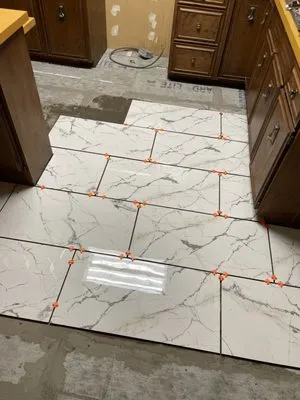
Ferrara Contracting is a locally-owned and operated family business rooted in the Dallas, PA community. Our team, composed of long-time area residents, is passionate about building lasting relationshi...
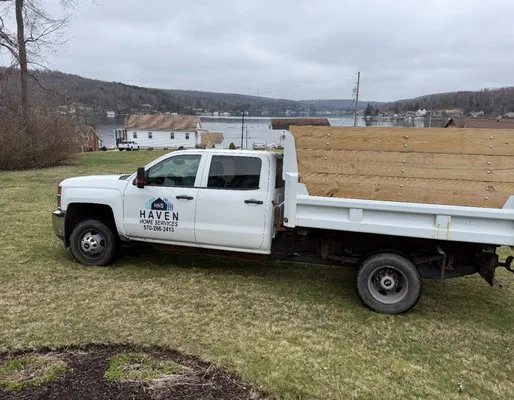
Haven Home Services is a full-service property care company based in Dallas, Pennsylvania, serving residents and businesses throughout Luzerne and Lackawanna County. We combine local knowledge with co...
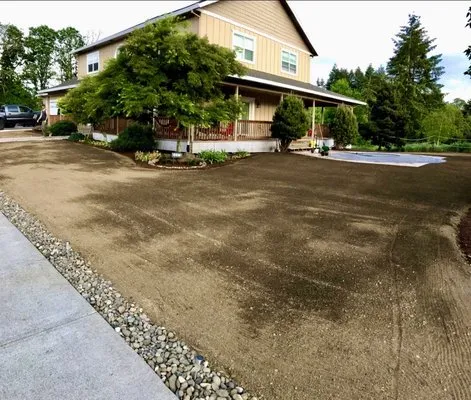
Park Bros Landscaping is a family-operated business serving Dallas, PA, and surrounding areas since 2022. Founded by brothers with a passion for outdoor spaces, we specialize in comprehensive lawn car...
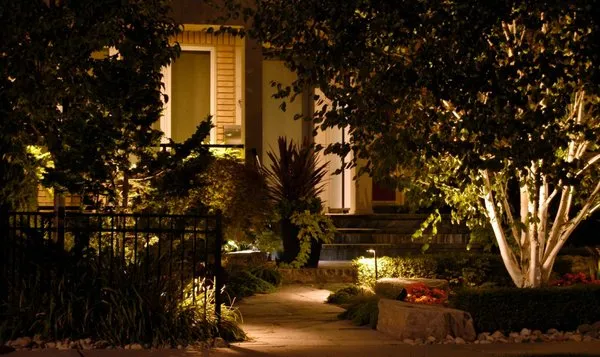
Huntsville Landscaping has been a trusted part of Northeastern Pennsylvania's community since 1924, helping Dallas, PA residents create and maintain beautiful outdoor spaces that enhance their lifesty...

Summit Landscaping has been a trusted landscaping partner for Dallas, PA residents and businesses since 1988. As a fully licensed and insured company (PA 079450), we specialize in transforming propert...
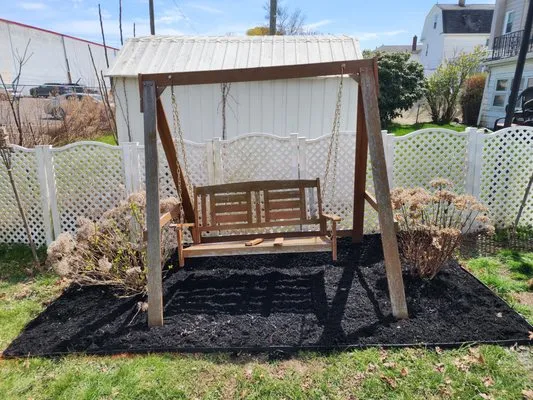
Casterline Ground Maintenance is a family-owned and operated business serving Dallas, PA, and the surrounding Wyoming Valley. We take pride in providing comprehensive solutions for both residential an...
Zachs Exterior Services is a dedicated landscaping company serving Dallas, PA, and surrounding communities. We understand the common local frustrations of persistent mulch bed weeds and struggling, dy...
Pat's Critical Cleaning is a locally owned and operated business in Dallas, Pennsylvania, founded in 2019 by Pat, a Dallas High School graduate. Driven by a passion for improvement, organization, and ...
Since 1950, Rave Landscaping has been a trusted partner for Dallas, PA residents and businesses, building beautiful and resilient outdoor spaces. Led by Rob Rave's unique design vision, we focus on cr...

My Grass Guys is your trusted local lawn care expert serving Dallas, PA, and the surrounding communities. We specialize in comprehensive lawn maintenance to ensure your property looks its best year-ro...
Frequently Asked Questions
A storm damaged trees and scattered debris. How quickly can you respond for an emergency cleanup to meet HOA compliance?
Our standard emergency dispatch targets a 20-30 minute response from notification, accounting for peak traffic. For a Dallas Borough Center address, crews stage near the Dallas Shopping Center and take PA Route 309 for direct access. This protocol ensures we can secure the site, begin debris removal, and document conditions for insurance within the critical first hour, preventing potential compliance violations.
I want to reduce mowing, noise, and maintenance. What are my options beyond traditional grass?
Transitioning to a xeriscape with Pennsylvania natives like Eastern Redbud, Switchgrass, Wild Bergamot, and New England Aster is the forward-looking solution. This planting palette is deeply adapted to our Zone 6a climate and acidic soils, requiring no fertilization, minimal watering, and no weekly mowing. It also future-proofs your property against evolving noise ordinances that restrict gas-powered blowers and mowers, creating a quiet, biodiverse landscape.
How can I keep my Kentucky Bluegrass lawn green during summer without violating water restrictions?
Wi-Fi ET-based irrigation controllers are the precise solution for voluntary conservation. This technology automatically adjusts watering schedules using real-time local weather data for evapotranspiration (ET), applying only the exact water lost. It prevents overwatering on rainy or humid days, keeping your Tall Fescue blend healthy while significantly reducing municipal water use. This system is the professional standard for sustainable turf management.
My lawn has poor soil and thin grass. Is this normal for a Dallas Borough home built in the 1960s?
Yes, this is a predictable condition. Your lot's soil is approximately 60 years old, originating from the acidic, channery silt loam common to our area during the 1965-era construction. This process typically strips topsoil and compacts the subsoil, creating a shallow root zone. The acidic pH (5.5-6.2) further limits nutrient availability. Correcting this requires core aeration and incorporating organic compost to rebuild soil structure and biology.
Do I need a permit to regrade my backyard or build a retaining wall?
Yes, significant grading or structural work on a 0.35-acre lot typically requires a permit from the Dallas Borough Zoning & Planning Department. They review plans for erosion control and drainage impact. Furthermore, the contractor performing this work must hold appropriate licensing, often through the Pennsylvania Department of Agriculture for landscape contracting, and carry specific insurance. This ensures the work meets code and protects your property investment.
Is a bluestone patio a better long-term investment than a wood deck for my backyard?
Pennsylvania Bluestone is a superior investment for longevity and low maintenance. Unlike wood, it does not rot, warp, or require sealing. Its natural durability provides a permanent structure. From a fire safety perspective, its non-combustible nature contributes positively to creating the defensible space recommended for our Moderate Fire Wise Interface Zone, offering both aesthetic and practical resilience.
My yard stays soggy and has runoff issues after heavy rain. What's the cause and a lasting fix?
The cause is twofold: the region's seasonal high water table and the poor permeability of your native acidic silt loam. This soil type compacts easily, shedding water instead of absorbing it. A lasting fix involves installing subsurface French drains to intercept groundwater and replacing impervious surfaces with permeable Pennsylvania Bluestone patios. These solutions manage runoff effectively and often align with the Dallas Borough Zoning Department's stormwater standards.
I see invasive vines and weeds taking over my flower beds. How do I handle them safely?
Common invasive alerts for this area include Japanese Knotweed and Mile-a-Minute Vine. Safe, effective control requires correct timing and method. Manual removal is best for small infestations. For larger problems, targeted, professional-grade herbicide applications must be carefully scheduled outside of the state's phosphorus restriction blackout dates and applied by a licensed professional to protect local waterways and soil health.
