Top Landscaping Services in Cranberry Township, PA, 16066 | Compare & Call
There are 216 landscaping companies server in Cranberry Township PA
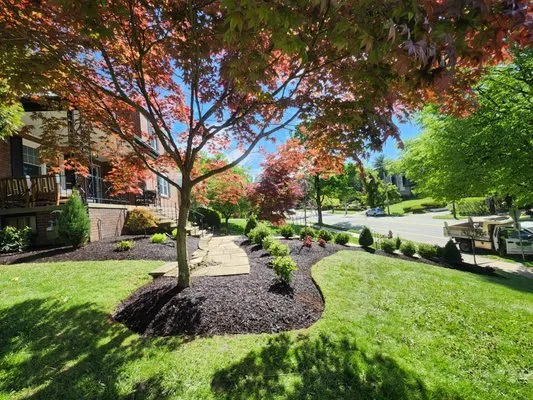
Stockman Lawnscape
Founded by Dave Stockman in 1995, Stockman Lawnscape is a Pittsburgh family business built on integrity and attention to detail. Today, Dave's sons, Sam and Nathan—both Penn State graduates—carry forw...
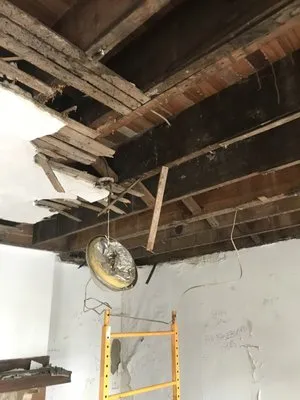
Euphoric Essentials LLC is your Pittsburgh neighbor for demolition and landscaping, founded by local Dominic James. With over 12 years of hands-on experience in construction and demolition, Dominic bu...
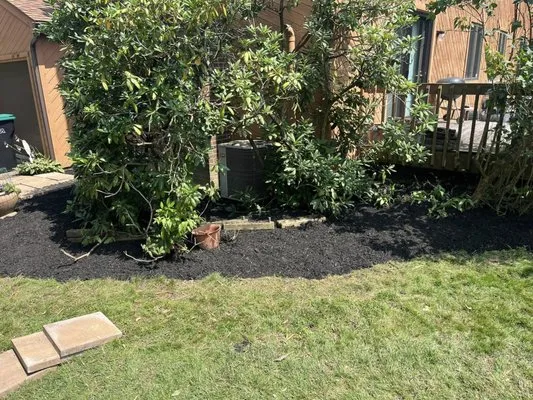
Hepp Landscaping is a Gibsonia-based landscaping company with 8 years of experience transforming local outdoor spaces. Owned by Brandon Hepp, we specialize in landscape design, lawn care, and planting...
For over four decades, Black Dan has been a trusted, hands-on partner for homeowners and businesses in Mars, PA. Founded on a principle of integrity—'We won't do any work on your property that we woul...
Smith Landscaping and Snow Removal is a trusted, locally-owned Pittsburgh company specializing in year-round property care. We understand the unique challenges faced by local homeowners, such as sprin...
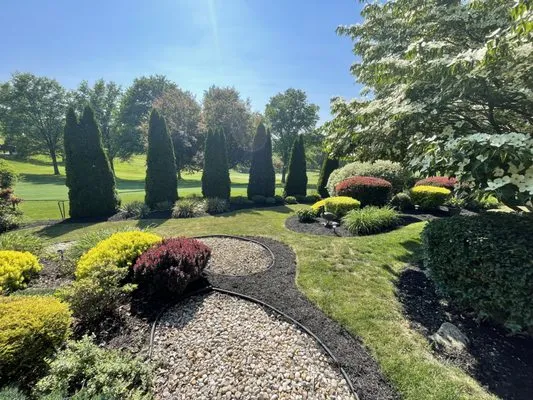
Prokal Landscaping
Prokal Landscaping LLC is a family-owned and operated landscaping company dedicated to serving Pittsburgh and the surrounding communities. With years of hands-on experience, we bring a personal touch ...
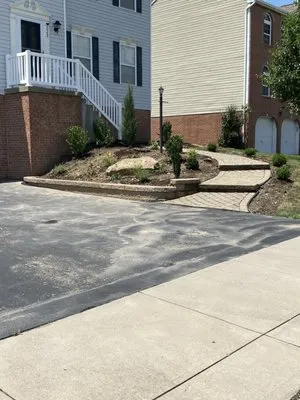
Top Tier Turf Landscape is a Ford City, PA-based landscaping and masonry company founded by an experienced professional who has worked with numerous landscaping businesses. We bring comprehensive expe...
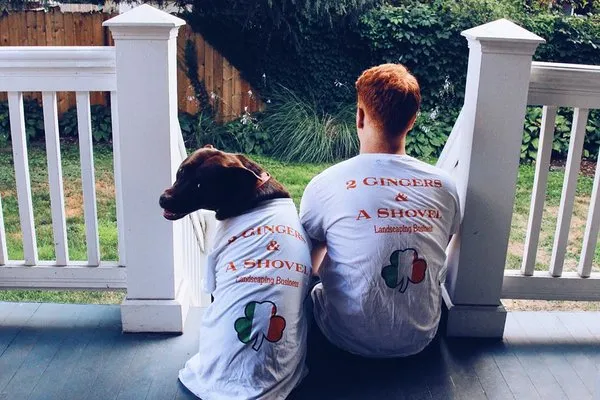
2 Gingers & a Shovel is a trusted landscaping company serving Sewickley, PA, dedicated to addressing common local property challenges. Many homes in the area face issues like damaged landscape edging ...
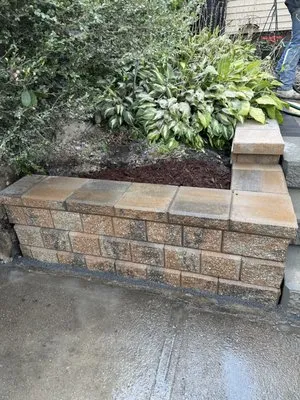
Toma's Lawn And Landscape is a locally owned and operated lawn service provider in Butler, PA, dedicated to helping homeowners maintain beautiful, healthy outdoor spaces. With expertise in lawn care, ...
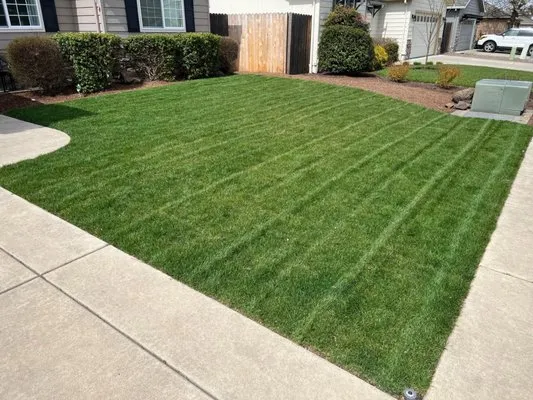
No Sweat Services LLC is a locally owned and operated Pittsburgh company that brings together trusted expertise in moving, landscaping, and handyman services. Founded by Mike, the moving division bega...
Estimated Landscaping Service Costs in Cranberry Township, PA
Common Questions
What permits and licenses are needed for regrading my 0.35-acre property?
Grading projects exceeding 500 square feet require Cranberry Township Planning & Development Services approval with engineered drainage plans. Contractors must hold Pennsylvania Department of Agriculture pesticide applicator certification if treating vegetation during work. Soil disturbance near property lines may trigger additional erosion control permits, particularly given the neighborhood's moderate runoff characteristics. Professional licensing ensures compliance with state-mandated best management practices.
How can I reduce maintenance while supporting local ecology?
Replacing high-input turf with Eastern Redbud, Purple Coneflower, Switchgrass, and Swamp Milkweed creates biodiverse habitats requiring minimal care. These native species thrive in Zone 6b's acidic soil without synthetic inputs, aligning with electric equipment adoption ahead of gas-blower restrictions. This approach reduces mowing frequency while providing year-round visual interest and pollinator support.
What solutions prevent backyard flooding in Cranberry Township's clay-heavy soil?
Moderate runoff in acidic silty clay loam requires subsurface French drains or dry creek beds to redirect water away from foundations. Permeable Pennsylvania Bluestone patios increase infiltration rates, meeting Cranberry Township Planning & Development Services' stormwater management standards. Grading adjustments with 2% slope away from structures further mitigate seasonal saturation issues common in 0.35-acre lots.
How quickly can you respond to an HOA violation notice for overgrown vegetation?
Emergency cleanup crews dispatch from the Cranberry Township Municipal Center via I-79, reaching Freedom Woods properties within 20-30 minutes during peak conditions. This routing prioritizes compliance with the 9:00 PM to 7:00 AM noise ordinance while addressing immediate landscape violations. Crews coordinate with property managers to document corrective actions before municipal deadlines.
Is Pennsylvania Bluestone or composite decking better for long-term durability?
Pennsylvania Bluestone offers superior longevity with minimal maintenance compared to wood or composite materials that degrade in freeze-thaw cycles. Its natural thermal mass moderates surface temperatures, while irregular patterning creates defensible space meeting low Fire Wise ratings. Properly installed with polymeric sand joints, bluestone maintains permeability and structural integrity for decades in Zone 6b climates.
What invasive species threaten Cranberry Township landscapes, and how are they managed?
Japanese knotweed and garlic mustard frequently invade disturbed areas, outcompeting native vegetation. Treatment involves targeted glyphosate applications during active growth phases, scheduled outside Pennsylvania's phosphorus application blackout dates for turf. Manual removal before seed set combined with mycorrhizae-enhanced soil restoration creates resilient plant communities. All applications require Pennsylvania Department of Agriculture pesticide certification for compliance.
Can I maintain Kentucky Bluegrass and Tall Fescue during dry periods without violating water rules?
Smart Wi-Fi weather-based controllers use evapotranspiration data to optimize irrigation schedules within Cranberry Township's voluntary conservation framework. These systems adjust runtime based on soil moisture sensors, reducing water use by 15-25% while preserving turf health. Programming deep, infrequent watering cycles encourages deeper root growth and drought resilience in USDA Zone 6b conditions.
Why does my Freedom Woods lawn struggle despite regular care?
Cranberry Township lots in Freedom Woods typically have acidic silty clay loam soil that has matured for 35 years since the neighborhood's 1991 construction. This soil type becomes compacted over time, reducing permeability and root penetration. Core aeration with organic amendments like composted leaf mold improves soil structure and microbial activity. Addressing these foundational issues supports healthier turf and reduces seasonal saturation common in this area.
