Top Landscaping Services in Conestoga Township, PA, 17516 | Compare & Call
There are 191 landscaping companies server in Conestoga Township PA
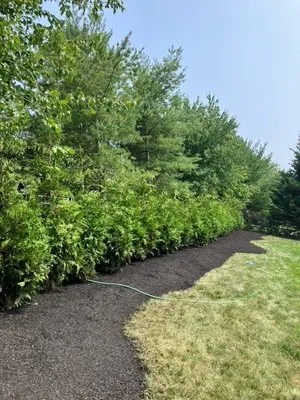
Broderick's Landscape Contracting, serving Conestoga, PA and the Mid-Atlantic region since 1999, is a locally-owned landscaping business built on integrity, precision, and a genuine passion for the ou...
Luxscapes unlimited
Luxscapes Unlimited in Holtwood, PA is your local expert for transforming outdoor spaces with patio coverings, landscaping, and masonry/concrete services. We understand the common challenges Holtwood ...
Country Air Lawn Care
Country Air Lawn Care is a family-owned and operated lawn care and landscaping business proudly serving York County and the Delta, PA area. We offer a comprehensive range of services, from foundationa...
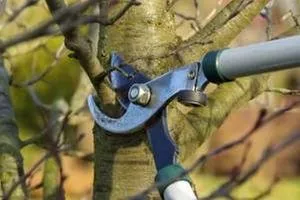
Lewis Burns Tree Service
Lewis Burns Tree Service has been a trusted local provider in Felton, PA, and surrounding areas since 1968. Founded by Lewis Burns, this family-operated business specializes in comprehensive tree care...
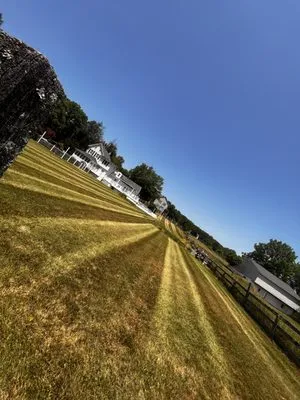
R&R Land Service LLC in Delta, PA, is a locally owned and operated business dedicated to transforming outdoor spaces across York County. We provide reliable excavation, lawn, and tree services to help...
Sanche'z Landscaping is a trusted local landscaping company serving Pennsylvania, specializing in addressing common yard drainage and grading issues that affect many properties in the area. We underst...
Cjs Lawn Services is a trusted landscaping company serving Lancaster, PA, dedicated to solving common local landscaping challenges. Many homes in the area struggle with issues like overgrown shrubs an...
Mighty Oak Mulch is a trusted, locally-owned landscaping supplier based in Red Lion, PA. Founded in 2013 and acquiring the Mighty Oak name in 2019, the company has grown to serve the community from it...
Nadu Lawncare and Landscaping is a Quarryville-based provider dedicated to solving common local lawn issues. Many homeowners in our area struggle with yard drainage problems like standing water and da...
Western View Landscaping is your Holtwood partner for durable hardscaping and vibrant landscapes. We specialize in solving common local yard problems like standing water and persistent weed infestatio...
Estimated Landscaping Service Costs in Conestoga Township, PA
Question Answers
What permits or licenses are needed for regrading and landscaping our 0.55-acre lot?
Any significant regrading that alters water flow or involves retaining walls over a certain height requires a permit from the Conestoga Township Zoning & Planning Department. Furthermore, the application of any pesticides or herbicides must be performed by or under the direct supervision of a technician certified by the Pennsylvania Department of Agriculture. For a property of 0.55 acres, these regulations ensure that work is performed to code, protecting both your investment and the surrounding ecosystem from improper nutrient or sediment runoff.
How quickly can you respond to a storm-damage emergency for HOA compliance?
Our emergency storm response protocol for Conestoga Village prioritizes dispatch from our staging area near the Conestoga Area Historical Society. The primary route is via PA-324, with a target arrival window of 45 to 60 minutes during peak incident hours. This allows for rapid assessment and initial safety cleanup, such as clearing driveways and walkways of fallen limbs, to meet common HOA stipulations. We coordinate directly with property managers to document the work for compliance reporting.
Why does our soil seem so dense and compacted in this neighborhood?
Homes in Conestoga Village, built around 1978, sit on soils that are approximately 48 years post-construction. Initial grading and backfilling practices from that era typically created a dense, compacted layer that restricts root growth and water infiltration. The native acidic silt loam, with a pH of 6.2, naturally tends to become less permeable over time without intervention. Annual core aeration combined with top-dressing compost is the standard protocol to rebuild soil structure and organic matter in these mature landscapes.
Our yard has persistent soggy spots. What's the best long-term solution?
Moderate runoff and a seasonal high water table are common challenges in areas with acidic silt loam due to its variable permeability. The engineered solution involves creating positive drainage away from the home's foundation, often using French drains or dry creek beds. For any new patios or walkways, specifying permeable base installations with Pennsylvania Blue Flagstone can significantly reduce surface runoff, helping projects meet the Conestoga Township Zoning & Planning Department's stormwater management guidelines.
Is Pennsylvania Blue Flagstone a better choice than a wooden deck?
For longevity and minimal maintenance, Pennsylvania Blue Flagstone is superior. It is a durable, natural material that will not rot, warp, or require sealing like wood. In terms of fire resilience, its non-combustible nature contributes positively to defensible space principles, which is a consideration even in Conestoga Township's Low Fire Wise rating zone. A properly installed flagstone patio also adds permanent structure and can enhance property drainage when set on a permeable base.
Can a smart irrigation system really save water on our Kentucky Bluegrass lawn?
Absolutely. Smart Wi-Fi soil moisture sensor controllers are the definitive tool for water conservation on cool-season blends like Kentucky Bluegrass and Tall Fescue. These systems bypass pre-set schedules, watering only when the root zone moisture drops below a programmed threshold. This direct ET-based approach typically reduces water use by 20-40% while maintaining turf health, aligning perfectly with Conestoga Township's voluntary conservation standards. It eliminates the waste of irrigating before or after rainfall.
How do we deal with invasive weeds without harming the lawn or the environment?
First, accurate identification is critical; common invasive alerts in this area include Japanese stiltgrass and garlic mustard. Treatment integrates mechanical removal, targeted post-emergent herbicides applied by a licensed professional, and promoting dense turf or native ground covers to outcompete weeds. All applications strictly adhere to the phosphorus restrictions and seasonal blackout dates under the Pennsylvania Nutrient Management Act to protect local watersheds.
What are the most impactful ways to make my yard more sustainable?
Transitioning high-input turf areas to layered plantings of Pennsylvania natives like Eastern Redbud, Switchgrass, and Mountain Laurel is the most impactful shift. These plants are adapted to Zone 7a conditions, require no fertilization, and are deeply drought-resilient once established. This xeriscaping approach drastically reduces mowing frequency and fossil fuel use for maintenance, future-proofing your property against potential tightening of noise ordinances that may restrict gas-powered equipment.
