Top Landscaping Services in Cleona, PA, 17042 | Compare & Call

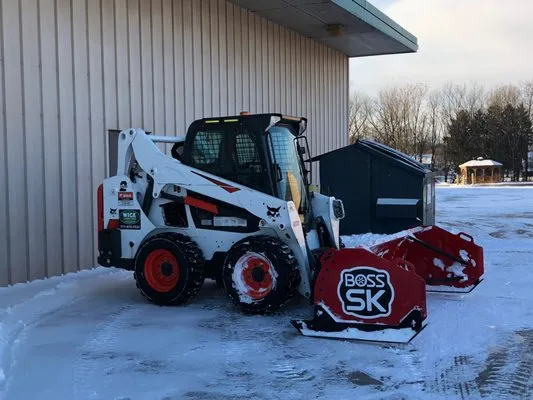
Wick Lawn Care is a veteran-owned and operated service based in Cleona, PA, providing reliable solutions for your property year-round. Founded and led by a former Marine Corps veteran, the company is ...
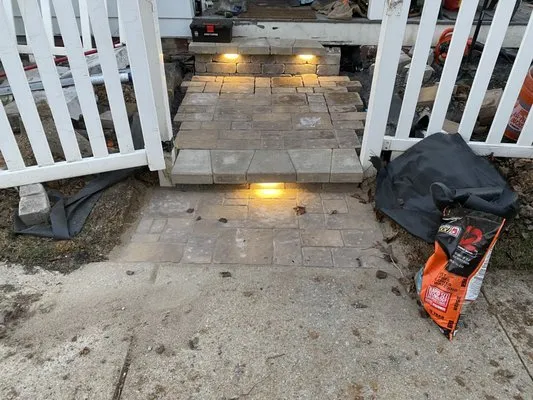
Landscapes by Dustin is a family-owned landscaping company based in Cleona, PA, specializing in creating beautiful and functional outdoor spaces for both residential and commercial properties. With a ...

Costa's Landscaping is a locally owned and operated business in Cleona, PA, dedicated to providing reliable and personalized outdoor services for residents. Founded by a young entrepreneur with a stro...
FAQs
Are concrete pavers and crushed limestone better than wood for patios and paths?
For longevity and minimal upkeep in our Zone 6b climate, inorganic materials are superior. Concrete pavers offer decades of service with no risk of rot or insect damage, while crushed limestone provides excellent permeability and a stable surface. Although Cleona has a low Fire Wise rating, these non-combustible materials also contribute to defensible space principles. They require no sealing or staining, making them a more durable and ecologically sound investment compared to wood, which deteriorates rapidly.
Why does the soil in my Cleona Borough Center yard seem so compacted and tired?
The average home in this area was built around 1957, meaning the topsoil on your 0.22-acre lot has been maturing for nearly 70 years. This duration, combined with typical construction practices, has led to the prevalent Edom-Urban Land Complex soil, characterized by a pH of 6.1-6.5 and a dense, clay-heavy subsoil. This composition severely limits soil percolation and root penetration. To restore health, a core aeration program combined with top-dressing compost is essential to introduce organic matter and improve permeability for your turf and planting beds.
What permits or licenses are needed for major landscaping work on my property?
Significant alterations, especially those involving grading, drainage, or retaining walls over 18 inches, typically require a permit from the Cleona Borough Zoning and Planning office. For a 0.22-acre lot, even modest regrading can impact stormwater flow and necessitate review. Furthermore, any company applying pesticides must hold appropriate licensing from the Pennsylvania Department of Agriculture. Always verify that your contractor carries the required Pesticide/Contractor licensing to ensure work is performed legally and to industry standards.
How fast can you respond to an emergency storm cleanup or HOA violation notice?
For urgent service requests, our electric fleet allows for quiet, compliant dispatch within the 7:00 AM to 9:00 PM noise ordinance window. From our staging area near Cleona Community Park, we can typically reach a property in the Borough Center via PA-422 within the 20-30 minute peak storm response window. This efficiency ensures we can address fallen limbs or debris quickly to mitigate safety hazards and potential compliance issues.
What are my options for a lower-maintenance, eco-friendly yard?
Transitioning high-input turf areas to a climate-adaptive xeriscape is a forward-thinking strategy. Incorporating a palette of Pennsylvania natives like Eastern Redbud, Butterfly Milkweed, New England Aster, and Switchgrass significantly reduces the need for mowing, fertilization, and frequent watering. This shift not only supports 2026 biodiversity standards but also pre-adapts your property to evolving local ordinances, such as potential future restrictions on gas-powered blowers and mowers referenced in the standard noise limits.
How can I keep my lawn green during summer without wasting water?
Under voluntary conservation guidelines, efficient water use is critical. A system using smart Wi-Fi soil moisture sensors is the standard solution. These devices bypass pre-set schedules, irrigating your Kentucky Bluegrass and Tall Fescue blend only when the root zone moisture drops below optimal levels. This ET-based irrigation prevents overwatering, directly counters the moderate seasonal saturation in clay subsoils, and keeps your turf health within municipal water use expectations.
What should I watch out for that could harm my landscape?
Vigilance for invasive species is key. Plants like Japanese knotweed or tree-of-heaven can aggressively outcompete natives and damage hardscapes. Treatment must be carefully timed; for instance, herbicide applications for these species are often most effective in late summer or fall. Any treatment plan must strictly adhere to the Pennsylvania Department of Agriculture's regulations and the state's Nutrient Management Act, which prohibits phosphorus application on established lawns and dictates specific blackout dates for certain products.
My yard holds water in spring. What's a permanent fix that also looks good?
Seasonal saturation is a direct result of the low permeability in our area's clay-heavy subsoil. A functional solution involves replacing impermeable surfaces with permeable hardscapes. Using materials like crushed limestone or certain concrete pavers for patios and walkways allows rainwater to infiltrate directly, reducing runoff. This approach often aligns with Cleona Borough Zoning and Planning standards for stormwater management while solving the visible ponding issue in your landscape.
